




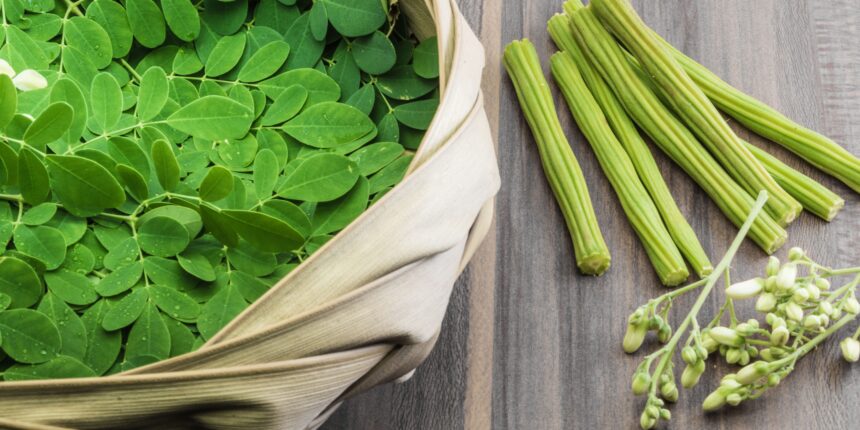

You may have heard whispers about a “miracle tree” or a new superfood taking the wellness world by storm. That plant is Moringa oleifera, a fast-growing, drought-resistant tree native to the Indian subcontinent. For centuries, various cultures have used its leaves, pods, and seeds for both food and traditional medicine. Today, modern science is catching up, confirming many of the long-held beliefs about its benefits. This article will explore the incredible advantages of moringa oleifera, from its dense nutritional profile to its powerful antioxidant properties.
We’ll dive deep into what makes this plant so special. You’ll learn how it can support your overall health, boost your energy, and even contribute to healthier skin. By the end, you’ll have a clear understanding of why moringa is more than just a passing trend—it’s a nutritional powerhouse with a history of making a real difference.
Key Takeaways
- Nutritional Powerhouse: Moringa is exceptionally rich in vitamins, minerals, and amino acids, making it one of the most nutrient-dense plants on the planet.
- Rich in Antioxidants: It’s loaded with antioxidants that combat free radicals, which can reduce oxidative stress and lower the risk of chronic diseases.
- Anti-Inflammatory Properties: Compounds in moringa leaves have been shown to possess significant anti-inflammatory effects, which can help soothe the body.
- Supports Brain Health: The antioxidant and neuro-enhancer activities of moringa may support cognitive function, mood, and overall brain health.
- Versatile and Easy to Use: Moringa is available in various forms, including powder, capsules, tea, and oil, making it simple to incorporate into your daily routine.
What Exactly is Moringa Oleifera?
Moringa oleifera is often called the “drumstick tree” because of its long, slender seed pods, or the “horseradish tree” due to the sharp flavor of its roots. However, its most fitting nickname is the “miracle tree,” a title earned because every part of the plant—from the leaves and flowers to the bark and seeds—is useful. Native to the Himalayan foothills in India, this hardy tree now grows in tropical and subtropical regions across Asia, Africa, and Latin America.
For generations, it has been a staple in the diets of many communities, providing essential nutrients in areas where food scarcity is a concern. The leaves are the most commonly used part, often dried and ground into a fine, vibrant green powder. This powder concentrates the plant’s nutrients, making it a potent supplement. The global recognition of the advantages of moringa oleifera has led to its cultivation worldwide, with people everywhere seeking to tap into its remarkable health-promoting properties. Its resilience and rapid growth make it a sustainable crop, adding an environmental benefit to its long list of human health advantages.
Unpacking the Nutritional Profile of Moringa
One of the primary advantages of moringa oleifera is its astounding nutritional content. Gram for gram, moringa leaves contain a wealth of vitamins and minerals that often surpasses other well-known healthy foods. It is a complete protein source, containing all nine essential amino acids, which is rare for a plant. This makes it an excellent addition to vegetarian and vegan diets.
To put its nutritional power into perspective, moringa leaves are reported to contain:
- More Vitamin C than oranges
- More Vitamin A than carrots
- More potassium than bananas
- More calcium than milk
- More iron than spinach
This dense nutrient profile is why it’s used in programs to combat malnutrition in developing countries. Just a few spoonfuls of moringa powder can provide a significant portion of the recommended daily intake of various essential nutrients.
A Closer Look at Moringa’s Vitamins and Minerals
Let’s break down the key nutrients found in moringa and why they are so important for your body’s daily functions.
|
Nutrient |
Benefit in Moringa |
|---|---|
|
Vitamin A |
Crucial for vision, immune function, and cell growth. |
|
Vitamin C |
A powerful antioxidant that supports the immune system and skin health. |
|
Vitamin E |
Protects cells from oxidative damage. |
|
Calcium |
Essential for strong bones and teeth, as well as nerve and muscle function. |
|
Potassium |
Important for maintaining healthy blood pressure and fluid balance. |
|
Iron |
Vital for creating red blood cells that transport oxygen throughout the body. |
|
Protein |
The building block for muscles, tissues, and enzymes. |
This combination of vitamins, minerals, and complete protein makes moringa a holistic supplement for supporting overall wellness. Instead of taking multiple individual supplements, moringa offers a natural, whole-food alternative.
A Powerful Source of Antioxidants
Your body is constantly dealing with free radicals, unstable molecules that can cause damage to cells through a process called oxidative stress. This damage is linked to premature aging and a host of chronic illnesses, including heart disease and type 2 diabetes. Antioxidants are substances that can neutralize free radicals, protecting your body from their harmful effects. This is where another of the major advantages of moringa oleifera shines.
Moringa is packed with several potent antioxidant compounds. These include:
- Quercetin: This powerful antioxidant may help lower blood pressure.
- Chlorogenic Acid: Found in high amounts in coffee as well, this compound can help moderate blood sugar levels after meals.
- Beta-carotene: A precursor to Vitamin A, it has strong antioxidant properties.
- Vitamin C: A well-known antioxidant that supports immune health.
Studies have shown that supplementing with moringa can significantly increase blood antioxidant levels. By incorporating moringa into your diet, you provide your body with a natural defense system against oxidative stress, supporting long-term health and vitality.
Moringa’s Natural Anti-Inflammatory Properties
Inflammation is the body’s natural response to injury or infection. It’s a vital protective mechanism. However, chronic, long-term inflammation is a different story and is associated with many modern health problems, from heart disease to arthritis. Many people are seeking natural ways to manage inflammation, and moringa offers a promising solution.
Scientific research indicates that moringa contains compounds called isothiocyanates, which are the primary anti-inflammatory agents in the plant. These compounds are found in the leaves, pods, and seeds. Studies in test tubes and on animals have demonstrated that moringa can effectively suppress inflammatory enzymes and proteins in the body. While more research on humans is needed to confirm the full extent of these effects, the existing evidence strongly suggests that the advantages of moringa oleifera include its potential to act as a natural anti-inflammatory agent. This could make it a valuable addition for individuals dealing with conditions related to chronic inflammation.
How Moringa Helps Soothe the Body
The anti-inflammatory effects of moringa work by inhibiting specific signaling pathways that trigger the inflammatory response. This is different from synthetic anti-inflammatory drugs, which often come with a risk of side effects. As a natural, whole-food source, moringa offers a gentler approach to managing inflammation. Regular consumption could help soothe the body, reduce discomfort, and support the joints. For those interested in holistic wellness and the latest trends in health technology, you might find related insights at platforms like https://siliconvalleytime.co.uk/ which often covers cutting-edge developments. Adding moringa to a smoothie or tea could be a simple step toward a more comfortable and balanced state.
Potential to Lower Blood Sugar Levels
Sustained high blood sugar is a serious health concern and a hallmark of type 2 diabetes. Over time, it can lead to numerous complications, including heart disease and organ damage. Interestingly, several studies suggest that one of the significant advantages of moringa oleifera is its ability to help lower and stabilize blood sugar levels.
This effect is attributed to plant compounds like isothiocyanates. One study involving 30 women showed that taking 1.5 teaspoons (7 grams) of moringa leaf powder every day for three months reduced fasting blood sugar levels by an average of 13.5%. Another small study in patients with diabetes found that adding 50 grams of moringa leaves to a meal reduced the rise in blood sugar by 21%. While these findings are promising, they are based on small-scale studies. Individuals with diabetes should always consult their healthcare provider before adding a new supplement to their regimen, as moringa should not replace prescribed medications. However, it shows potential as a supportive dietary addition.
May Help Lower Cholesterol
High levels of LDL (“bad”) cholesterol are a major risk factor for heart disease. Fortunately, many plant-based foods can effectively help reduce cholesterol. Flaxseeds, oats, and almonds are well-known for this, and moringa has now joined that list. Both animal and human studies have shown that moringa can have a cholesterol-lowering effect.
This benefit is thought to be linked to its unique blend of nutrients and bioactive compounds. By helping to manage cholesterol levels, moringa contributes to cardiovascular health. Protecting your heart is one of the most important things you can do for your long-term well-being. Including moringa as part of a balanced diet rich in fruits, vegetables, and whole grains could be a proactive step in maintaining a healthy cardiovascular system. This is another example of how the comprehensive advantages of moringa oleifera can support multiple aspects of your health simultaneously.
Supporting Brain Health and Cognitive Function
Your brain is your body’s command center, and protecting it is essential for a high quality of life. Emerging research suggests that moringa may play a role in supporting brain health. Its high concentration of antioxidants, particularly vitamins C and E, helps combat the oxidative stress that can damage neurons and contribute to cognitive decline.
Furthermore, some preliminary studies indicate that moringa may help normalize key neurotransmitters—serotonin, dopamine, and noradrenaline—which play crucial roles in memory, mood, and stress response. By supporting these “feel-good” chemicals, moringa could potentially help with mood stabilization and mental clarity. Its anti-inflammatory properties may also protect the brain from conditions related to neural inflammation. While this field of research is still developing, the potential for moringa to act as a natural brain booster is an exciting area of study, adding another layer to the extensive advantages of moringa oleifera.
How to Incorporate Moringa into Your Diet
With all these amazing benefits, you’re probably wondering how you can start using moringa. The good news is that it’s incredibly versatile and easy to add to your daily routine. The most common form is a fine, green powder made from dried moringa leaves.
Here are a few simple ways to use moringa powder:
- Smoothies: Add a teaspoon or two to your favorite fruit or green smoothie. The taste is earthy, similar to spinach or matcha, and blends well with fruits like banana and pineapple.
- Teas: You can buy moringa tea bags or simply stir moringa powder into hot water with a squeeze of lemon and a touch of honey.
- Soups and Sauces: Stir a spoonful into soups, stews, or pasta sauces just before serving. This will boost the nutritional content without significantly altering the flavor.
- Baked Goods: Add a small amount to recipes for muffins, breads, or energy balls.
- Sprinkled on Food: Simply sprinkle it over salads, oatmeal, yogurt, or scrambled eggs.
Other Forms of Moringa
Besides powder, moringa is also available as:
- Capsules: For those who prefer a quick, tasteless option.
- Oil: Cold-pressed from the seeds, moringa oil is excellent for skin and hair care.
- Tea Leaves: Whole, dried leaves can be steeped for a milder tea.
Start with a small amount, such as half a teaspoon per day, and gradually increase it to allow your body to adjust.
Conclusion
From its incredible density of nutrients to its powerful antioxidant and anti-inflammatory properties, the advantages of moringa oleifera are both numerous and profound. This “miracle tree” offers a natural, whole-food solution for supporting overall health, boosting energy, and protecting the body against the stresses of modern life. Whether you’re looking to enhance your nutrition, manage inflammation, or support your brain health, moringa provides a simple yet effective way to invest in your well-being.
As research continues to uncover even more benefits, it’s clear that Moringa oleifera is more than just a superfood—it’s a testament to the power of nature. By incorporating this versatile plant into your diet, you can take a proactive step towards a healthier and more vibrant life.
Frequently Asked Questions (FAQ)
What does moringa taste like?
Moringa leaf powder has a distinct earthy flavor, often compared to spinach, matcha green tea, or horseradish greens. The taste is noticeable but can be easily blended into smoothies, sauces, or other foods where it becomes less prominent.
Is it safe to take moringa every day?
For most people, taking moringa daily in recommended amounts (e.g., one or two teaspoons of powder) is considered safe. However, it’s always best to start with a smaller dose to see how your body reacts. If you are pregnant, breastfeeding, or taking medications (especially for blood pressure, diabetes, or thyroid conditions), consult your doctor before adding moringa to your routine.
How long does it take to see the benefits of moringa?
The timeframe for experiencing the advantages of moringa oleifera can vary from person to person. Some people report feeling a subtle increase in energy within a few days or weeks. For other benefits, like changes in blood sugar or cholesterol, it may take several months of consistent use to see measurable results.
Can moringa help with weight loss?
While moringa is not a magic weight loss pill, it can support weight management efforts. Its high fiber content can help you feel full, and its rich nutrient profile ensures your body gets nourishment even on a calorie-restricted diet. Its potential to regulate blood sugar can also help prevent energy crashes that lead to cravings for unhealthy snacks.
Where can I buy high-quality moringa?
Moringa products can be found in health food stores, online retailers, and some larger supermarkets. Look for products that are certified organic and come from a reputable source. The moringa powder should be a vibrant green color; a brownish color may indicate that it is old or has been improperly processed, reducing its nutritional value.