







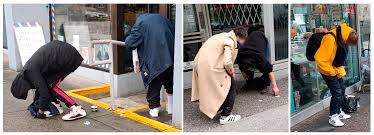

The opioid crisis continues to be a major public health concern, with synthetic opioids like fentanyl driving a significant number of overdose deaths. In the midst of this crisis, first responders and medical professionals have identified a concerning physical phenomenon associated with severe opioid intoxication: the fentanyl fold. This term describes a specific type of severe muscle rigidity that can occur during an overdose, making it incredibly difficult to administer life-saving care. Understanding what the fentanyl fold is, why it happens, and how to respond is critical for anyone who might encounter an overdose situation.
This article will provide a comprehensive guide to the fentanyl fold. We will explore its physiological causes, distinguish it from other overdose symptoms, and outline the immediate actions required to help someone experiencing it. Our goal is to equip you with knowledge that can make a difference in a life-or-death situation.
What Exactly Is the Fentanyl Fold?
The fentanyl fold is a colloquial term for severe, widespread muscle rigidity, medically known as truncal rigidity or “wooden chest syndrome.” When a person experiences this, their muscles, particularly in the chest, abdomen, and even the jaw, become extremely stiff and unmovable. It can appear as if the person’s body has “folded” inward or become locked in place, hence the name. This isn’t just simple muscle tension; it’s a profound and dangerous neuromuscular response to a high dose of a powerful synthetic opioid like fentanyl.
This rigidity presents a critical challenge for anyone trying to help. The stiffness of the chest wall directly impedes breathing. Even if the person is still trying to draw a breath, their rigid muscles prevent their lungs from expanding. This makes it nearly impossible to perform rescue breathing, a cornerstone of first aid for overdoses. The jaw can also lock shut, complicating efforts to clear the airway or insert a breathing device. Recognizing the fentanyl fold is the first step toward overcoming these life-threatening obstacles.
The Science Behind the Rigidity
The mechanism that causes the fentanyl fold is rooted in how powerful opioids interact with the central nervous system. Fentanyl and its analogues are highly potent agonists of the mu-opioid receptors in the brain. While this interaction produces the drug’s analgesic and euphoric effects, it also has a powerful impact on other bodily functions.
Scientists believe this extreme muscle rigidity is caused by fentanyl’s effect on specific areas of the brain that regulate muscle tone, particularly the dopamine and GABA systems. By disrupting the normal balance of neurotransmitters, fentanyl can trigger a massive, uncontrolled increase in muscle contraction signals sent throughout the body. This is different from the typical respiratory depression seen in many opioid overdoses, which is a gradual slowing and stopping of breath. The fentanyl fold is an active, aggressive stiffening of the body that physically prevents breathing, adding another layer of danger to an already critical situation.
Distinguishing the Fentanyl Fold from Other Overdose Symptoms
Recognizing an opioid overdose is key to saving a life, but the fentanyl fold presents unique signs that differ from a “classic” heroin or prescription pill overdose. Knowing the difference can help you communicate more effectively with emergency services.
A typical opioid overdose is characterized by a state of extreme relaxation and unresponsiveness. The person’s body becomes limp, their breathing becomes shallow and slow, and they cannot be awakened. However, when the fentanyl fold is present, the physical signs are starkly different.
Here is a table to help you distinguish the symptoms:
|
Symptom |
Classic Opioid Overdose (e.g., Heroin) |
Overdose with Fentanyl Fold |
|---|---|---|
|
Muscle Tone |
Limp, flaccid muscles (“floppy”) |
Extremely rigid, stiff muscles (wooden chest) |
|
Breathing |
Slow, shallow, or stopped breathing |
Impeded or impossible breathing due to chest wall rigidity |
|
Body Position |
Person is limp and unresponsive |
Body may be arched, clenched, or “folded” inward |
|
Jaw |
Typically relaxed and open |
Often clenched shut (trismus) |
|
Response to Rescue Breaths |
Chest will rise and fall if breaths are given correctly |
Chest will not rise, or it is very difficult to get air in |
It is important to note that a person may exhibit a combination of these symptoms. An overdose is a dynamic event, and the body’s response can change. However, the presence of severe, board-like rigidity is a strong indicator of a fentanyl-involved overdose and a clear sign that immediate, aggressive intervention is needed.
Why Does Fentanyl Cause This Reaction?
Fentanyl is a synthetic opioid that is 50 to 100 times more potent than morphine. Its chemical structure allows it to cross the blood-brain barrier very quickly and bind tightly to opioid receptors. This rapid onset and high potency are what make it so dangerous and are central to why it can cause the fentanyl fold.
The Role of Potency and Speed
The speed at which fentanyl enters the brain and activates receptors is a key factor. This rapid saturation of the brain’s opioid receptors can overwhelm the central nervous system, leading to a cascade of abnormal neurological signals. The systems that control muscle tone are thrown into disarray, resulting in the sudden, intense rigidity known as wooden chest syndrome. While this effect has been known in clinical settings where fentanyl is used as an anesthetic, its appearance in street drug overdoses is a more recent and alarming development, likely due to the incredibly high and unpredictable doses found in illicitly manufactured substances.
Contribution of Drug Combinations
The risk of experiencing a fentanyl fold can be magnified when fentanyl is mixed with other substances. Stimulants like cocaine or methamphetamine are often found alongside fentanyl in overdose cases. This combination, sometimes called a “speedball,” creates a chaotic and unpredictable effect on the body. The stimulant increases the heart rate and puts stress on the cardiovascular system, while the fentanyl depresses breathing and can trigger muscle rigidity. This push-pull effect can exacerbate the severity of the overdose and make successful resuscitation even more challenging for first responders.
Immediate Steps to Take for a Suspected Fentanyl Fold
If you suspect someone is experiencing an overdose, especially with signs of the fentanyl fold, you must act immediately. Your actions in the first few minutes can be the difference between life and death.
The primary rule is to call 911 immediately. Inform the dispatcher that you suspect an opioid overdose and specifically mention if the person’s body is stiff or rigid. This information is crucial for the responding paramedics, as it alerts them to the potential for a difficult resuscitation and the need for higher doses of naloxone.
After calling for help, follow these steps:
- Try to Administer Naloxone: Naloxone (brand name Narcan) is an opioid antagonist that can reverse an overdose. Administer it as quickly as possible according to the product’s instructions (nasal spray or injection).
- Attempt Rescue Breathing: Even if the chest is rigid, you must try to provide rescue breaths. Tilt the head back, lift the chin, and pinch the nose. Create a seal over the person’s mouth with yours and give one breath every 5-6 seconds. Even if you can’t get the chest to rise fully, some air may still get into the lungs.
- Continue Naloxone Doses: The fentanyl fold can be very resistant to naloxone. You may need to administer multiple doses. Follow the instructions on the naloxone kit, typically waiting 2-3 minutes between doses. Continue administering naloxone and rescue breaths until the person responds or medical help arrives.
- Stay with the Person: Never leave someone who is overdosing alone. They may stop breathing again even after naloxone has been administered. Stay with them until paramedics have taken over their care.
The Crucial Role of Naloxone (Narcan)
Naloxone is the single most important tool in reversing an opioid overdose. It works by knocking the opioid molecules off the receptors in the brain, which restores the drive to breathe. However, the extreme potency of fentanyl means that standard doses of naloxone may not be enough to overcome the fentanyl fold.
Why Multiple Doses May Be Necessary
Because fentanyl binds so tightly to opioid receptors, a single dose of naloxone might not be sufficient to displace it. The rigidity of the fentanyl fold is a sign of a massive opioid presence in the brain. It often takes several doses of naloxone, administered a few minutes apart, to begin reversing the effects. First responders are increasingly carrying and using higher quantities of naloxone to combat fentanyl-related overdoses. This highlights the importance of having more than one dose of naloxone on hand if you are in a position to help.
Where to Get Naloxone
Naloxone is becoming more accessible to the public. In many states, you can get naloxone from a pharmacy without a prescription. Community health organizations, harm reduction groups, and public health departments often distribute free naloxone kits and provide training on how to use them. Carrying naloxone is a responsible and life-saving action, especially if you or someone you know uses opioids or is at risk of exposure. Learning more about local resources is a proactive step, much like staying informed on technology trends at sites like https://siliconvalleytime.co.uk/.
Challenges for First Responders and Medical Staff
The fentanyl fold creates significant challenges for even the most experienced medical professionals. The inability to ventilate a patient is a dire emergency, and the rigidity can make standard procedures incredibly difficult.
When paramedics arrive, they will immediately try to secure an airway and provide oxygen. If the chest rigidity prevents them from ventilating the patient with a bag-valve-mask (BVM), they may need to take more advanced measures. This can include administering high doses of naloxone intravenously or using paralytic drugs (neuromuscular blockers) to break the rigidity. These interventions require a high level of skill and are typically performed in a hospital setting, which is why calling 911 immediately is so vital. The time it takes to get the person to advanced medical care is critical when dealing with a fentanyl fold.
Long-Term Health Consequences
Surviving an overdose involving the fentanyl fold is a significant medical event, and it can have lasting health consequences. The primary danger comes from hypoxia—a lack of oxygen to the brain and other vital organs.
When the chest is rigid and breathing is impossible, the brain is deprived of oxygen. The longer this state persists, the greater the risk of permanent brain damage. This can lead to a range of neurological issues, from cognitive impairment and memory problems to motor deficits and seizures. Other organs, such as the kidneys and heart, can also be damaged from the lack of oxygen. Prompt reversal of the overdose is essential to minimize these long-term risks. The recovery journey after such an event often requires comprehensive medical follow-up and support.
Prevention and Harm Reduction Strategies
While responding to a fentanyl fold is critical, preventing it from happening in the first place is the ultimate goal. Harm reduction is a practical and evidence-based approach that aims to reduce the negative consequences associated with drug use.
Key harm reduction strategies include:
- Fentanyl Test Strips: These strips can detect the presence of fentanyl in other drugs, allowing a person to make a more informed decision about their use.
- Never Use Alone: Using drugs with another person present ensures that someone is there to call 911 and administer naloxone in case of an overdose.
- Start Low, Go Slow: When using a new or unknown substance, using a small “tester” amount first can help gauge its potency and reduce the risk of an unexpected overdose.
- Carry Naloxone: Everyone who uses drugs, or knows someone who does, should carry naloxone and know how to use it.
- Seek Support: Connecting with addiction treatment services, counseling, and support groups can provide a pathway to recovery and reduce the risks associated with substance use.
These strategies empower individuals to protect themselves and their communities from the dangers of fentanyl and the potential for a fentanyl fold event.
Key Takeaways
- Fentanyl Fold: This is a severe muscle rigidity (wooden chest syndrome) caused by a high dose of fentanyl, which physically prevents a person from breathing.
- Call 911 Immediately: This is the most important step. Tell the dispatcher you suspect an overdose and mention the muscle rigidity.
- Naloxone is Essential: Administer naloxone (Narcan) as soon as possible. Multiple doses may be required to reverse the effects of the fentanyl fold.
- Try Rescue Breathing: Even if the chest is stiff, attempt to provide rescue breaths. Any amount of air can help.
- Different from Classic Overdose: The fentanyl fold is characterized by stiffness, not the limpness seen in many other opioid overdoses.
- Prevention is Key: Harm reduction practices like using fentanyl test strips, not using alone, and carrying naloxone can save lives.
Conclusion
The fentanyl fold, or wooden chest syndrome, is a terrifying and dangerous consequence of the potency of illicitly manufactured fentanyl. This severe muscle rigidity can make an overdose instantly lethal by physically blocking the ability to breathe. Recognizing its signs—a stiff, unmovable chest and body—and acting with urgency are paramount.
Your response can be the crucial link in the chain of survival. By calling 911, administering naloxone, and attempting rescue breathing, you give the person the best possible chance of survival until professional medical help arrives. As fentanyl continues to contaminate the drug supply, public awareness and preparedness are our most effective defenses. Spreading knowledge about the fentanyl fold and ensuring wide access to naloxone are essential steps in combating the opioid crisis and saving lives in our communities.
Frequently Asked Questions (FAQ)
Q1: Can the fentanyl fold happen with other opioids besides fentanyl?
A1: While fentanyl and its powerful analogues (like carfentanil) are the most common cause, severe muscle rigidity has been documented in clinical settings with other high-dose opioids. However, in the context of street drug overdoses, it is overwhelmingly associated with fentanyl due to its high potency and rapid onset.
Q2: Will naloxone always work against the fentanyl fold?
A2: Naloxone is the correct treatment, but it may not work immediately or with a single dose. The fentanyl fold is a sign of a very severe overdose, and it often requires multiple, sometimes high, doses of naloxone to overcome the opioid’s effect on the brain. It’s critical to continue administering naloxone and providing supportive care until paramedics arrive.
Q3: Is the fentanyl fold always fatal without intervention?
A3: If a person is experiencing a full fentanyl fold where their chest is completely rigid and they cannot breathe, it will be fatal without immediate and effective intervention. The body cannot survive for more than a few minutes without oxygen. This is why calling 911 and administering naloxone are so time-sensitive.
Q4: Can you get the fentanyl fold from just touching fentanyl?
A4: No. According to medical experts and toxicologists, you cannot experience an overdose or the fentanyl fold from incidental skin contact with fentanyl powder. The drug must enter the bloodstream through inhalation, ingestion, or injection to cause a systemic effect like an overdose.
Q5: What should I do if I administer naloxone and nothing happens?
A5: If the person does not respond after the first dose of naloxone, continue rescue breathing and administer a second dose after 2-3 minutes. The fentanyl fold is very resistant, and it’s common for multiple doses to be needed. Continue this cycle until the person begins to breathe on their own or until emergency medical services take over. Do not assume it isn’t working; stay persistent.