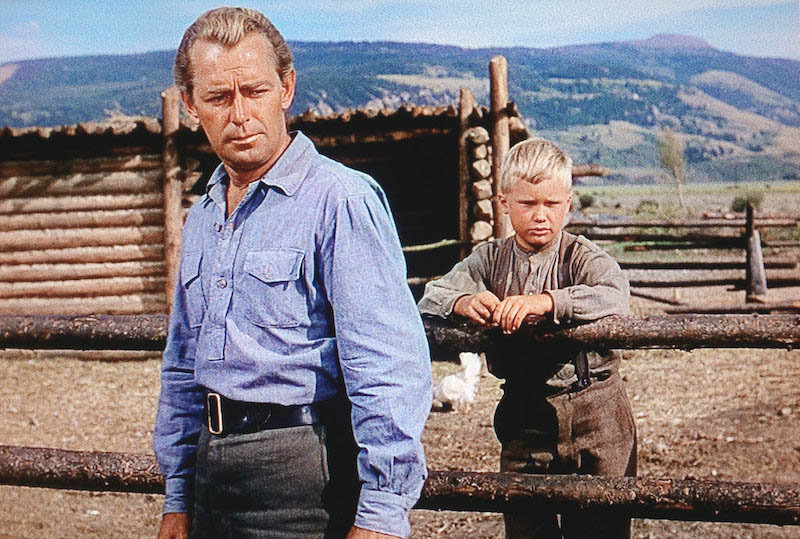

What comes to mind when you hear the name Shane? For many, it conjures images of the American West, a lone rider, and a story of heroism that has captivated audiences for generations. But the name Shane is much more than just a character in a classic film. It’s a name with deep roots, a rich cultural history, and a modern identity that continues to evolve.
From its ancient origins to its place in pop culture, the story of Shane is a fascinating journey through time, language, and storytelling. This exploration will delve into every facet of the name, uncovering its meaning, its rise to fame, and why it remains a popular choice for parents today. We’ll look at the iconic movie that made it a household name, famous people who bear the name, and its surprising variations across the globe.
Key Takeaways
- Irish Origins: The name Shane is an anglicized version of the Irish name Séan, which itself is the Irish equivalent of John, meaning “God is gracious.”
- Pop Culture Phenomenon: The 1953 Western film Shane dramatically boosted the name’s popularity, transforming it from a relatively uncommon name into a classic.
- Versatile and Timeless: Despite its strong association with the Western genre, Shane is a versatile name that feels both classic and modern, fitting for any generation.
- Global Variations: The name has several variations, including Shayne and Shaun, and is recognized in different forms across many cultures.
- Enduring Symbolism: Shane often symbolizes heroism, integrity, quiet strength, and the archetype of the reluctant hero who stands up for what is right.
The Origins and Meaning of the Name Shane
Every name has a story, and the story of Shane begins in Ireland. The name is the anglicized form of the Irish Gaelic name Séan. If you trace it back even further, Séan is the Irish equivalent of the Hebrew name Yohanan, which translates to “God is gracious.” This connection makes Shane part of the same family of names as John, Jean, Juan, and Ivan. For centuries,
Séan was a common name in Ireland, but it was the process of anglicization—adapting Irish names to English spelling and pronunciation—that gave us the version we know today. This transition happened over many years as English influence grew in Ireland. The name Shane captured the sound of Séan in a way that was easy for English speakers to read and say, helping it cross cultural and geographical borders. This rich linguistic heritage gives the name a sense of history and depth that goes far beyond its modern associations.
From Séan to Shane: An Etymological Journey
The transformation from Séan to Shane is a perfect example of how names evolve with language and culture. In Irish Gaelic, the “sé” sound is similar to “shay,” and the accent mark over the ‘a’ (the fada) lengthens the vowel sound. When English speakers encountered the name, they naturally wrote it down phonetically as “Shane.”
This wasn’t a formal change but a gradual, organic process. One of the most famous historical figures to popularize this spelling was Shane O’Neill, a powerful Irish chieftain in the 16th century. His influence and notoriety helped cement Shane as a distinct and recognizable name, separate from its root, Séan. This journey from a traditional Irish name to a globally recognized one highlights the dynamic nature of language and how names can carry centuries of history within them.
The Cultural Impact of the 1953 Film ‘Shane’
While the name had existed for centuries, it was the 1953 Western film Shane that catapulted it into the global spotlight. Directed by George Stevens and starring Alan Ladd, the movie tells the story of a mysterious, quiet gunslinger named Shane who rides into a remote Wyoming valley. He befriends a homesteader family, the Starretts, and helps them defend their land against a ruthless cattle baron.
The film was a massive critical and commercial success, praised for its stunning cinematography, emotional depth, and complex characters. More than just an action-packed Western, it was a story about morality, community, and the myth of the American frontier. The character of Shane became an instant icon—a symbol of reluctant heroism and quiet strength. He was the quintessential lone hero who does what’s right before disappearing back into the horizon.
How a Movie Defined a Name
Before the film’s release, Shane was a relatively uncommon name in the United States. Afterward, its popularity skyrocketed. Parents were inspired by the heroic, noble character and began naming their sons Shane in droves. The film’s final scene, where the young boy Joey cries out, “Shane! Come back!” is one of the most iconic moments in cinema history and etched the name into the collective consciousness.
This cultural event forever tied the name Shane to the archetypal Western hero. It’s a rare example of a single piece of media having such a profound and lasting impact on naming trends. For decades, the name has carried connotations of integrity, courage, and a touch of mystery, all thanks to one unforgettable movie.
The Popularity and Demographics of the Name Shane
The influence of the film Shane is clearly visible in the data on the name’s popularity. Let’s look at how the name has trended over the years, particularly in the United States.
|
Decade |
Popularity Rank (Approx.) |
Notable Trend |
|---|---|---|
|
1940s |
Outside Top 1000 |
Very rare, primarily used within Irish communities. |
|
1950s |
Entered Top 1000 |
Began climbing steadily after the 1953 film. |
|
1960s |
Climbed into Top 200 |
Gained significant momentum. |
|
1970s |
Reached Peak Popularity |
Became a Top 100 name, peaking in the early 70s. |
|
1980s-90s |
Remained in Top 100 |
Established as a mainstream, popular name. |
|
2000s-Now |
Gradually Declined |
Still a common name but no longer in the Top 100. |
As the table shows, the name Shane experienced a meteoric rise following the movie’s release, peaking in popularity around 1973. It remained a very popular choice for boys throughout the 70s, 80s, and 90s. While its use has seen a gradual decline in the 21st century, it remains a well-known and respected name. This pattern is common for names tied to specific cultural moments; they experience a huge surge, become a staple for a generation or two, and then settle into a role as a familiar classic. Today, the name Shane is found across all English-speaking countries and continues to be a solid choice for parents looking for a name that is strong but not overly common.
Famous People Named Shane
Over the years, many notable individuals have carried the name Shane, contributing to its legacy in various fields. Their success has helped to broaden the name’s association beyond the Western hero archetype.
Shane in Sports
The world of sports has seen many successful athletes named Shane. One of the most prominent is Shane Warne, the legendary Australian cricketer who was widely regarded as one of the greatest bowlers in the history of the sport. His charismatic personality and incredible talent made him a global icon. In baseball, Shane Victorino, known as the “Flyin’ Hawaiian,” was a dynamic outfielder who won World Series championships with the Philadelphia Phillies and Boston Red Sox. In the world of professional wrestling, Shane McMahon, son of WWE chairman Vince McMahon, is known for his high-flying, daredevil stunts and his role as an on-screen authority figure.
Shane in Arts and Entertainment
Beyond sports, the name Shane has also made its mark in the arts. Shane Black is a highly successful screenwriter and director, famous for writing action-comedy classics like Lethal Weapon and directing films like Iron Man 3 and The Nice Guys. His witty dialogue and clever plots have had a significant impact on modern action cinema. Another notable figure is Shane Meadows, a British independent filmmaker known for gritty, realistic dramas like This Is England. These individuals, among many others, show the versatility of the name and prove that a Shane can be found at the top of any profession. Their achievements add new layers of meaning and association to the name.
Shane in Literature and Modern Media
The original source material for the famous film was a 1949 novel of the same name by author Jack Schaefer. The book, Shane, is a masterpiece of Western fiction and is often required reading in American literature courses. Schaefer’s novel established the core elements of the story: the mysterious stranger, the struggling family, and the tension between civilization and the wild frontier.
The novel is told from the perspective of the young boy, Bob Starrett (renamed Joey in the film), which gives the story a unique sense of wonder and innocence. The character of Shane in the book is just as iconic as in the film—a man of few words whose actions speak volumes about his character and moral code. The novel’s success laid the groundwork for the film and cemented Shane as a key figure in the Western genre.
Beyond the classic novel and film, the name Shane and its associated archetypes continue to appear in modern media. The “reluctant hero” trope, perfected by the character of Shane, can be seen in countless movies, TV shows, and video games. Characters like Han Solo from Star Wars or The Mandalorian, who are initially self-serving but ultimately choose to do the right thing, owe a debt to the legacy of Shane.
The name itself often appears for characters who are meant to be seen as cool, capable, and perhaps a little rebellious. This enduring presence in storytelling shows how deeply the archetype has embedded itself in our culture. For more insights into how technology and culture intersect, you might find articles on platforms like https://siliconvalleytime.co.uk/ interesting.
Variations and Nicknames for Shane
Like many popular names, Shane has inspired a few variations and nicknames. These alternatives offer slightly different flavors while retaining the core sound and feel of the original name.
- Shayne: This is the most common spelling variation. It is often used for both boys and girls, giving it a more unisex appeal compared to the traditional spelling.
- Shaun/Shawn: While these are direct anglicizations of Séan, they are part of the same name family. They offer a different sound but share the same Irish roots and meaning.
- Shane as a Nickname: In some cases, Shane can be used as a nickname for the more formal Irish name Seamus, which is the Irish version of James.
As for nicknames, Shane is a short, one-syllable name, so it doesn’t naturally lend itself to shortening. Most people named Shane simply go by their full name. This simplicity is part of its appeal—it’s strong, direct, and doesn’t need to be abbreviated. The lack of common nicknames helps the name maintain its solid, straightforward identity. This straightforwardness is a quality many parents seek in a name, making Shane a timeless choice that won’t feel dated or overly complicated.
The Enduring Appeal of the Name Shane
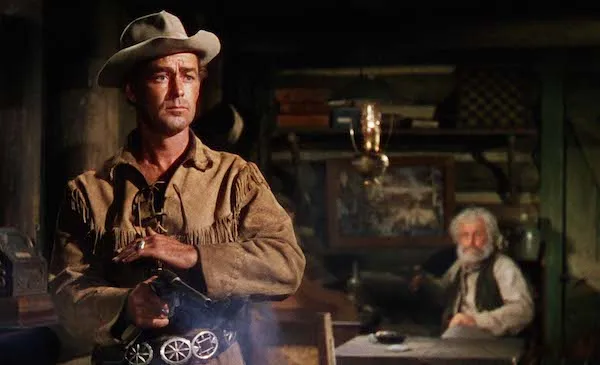
Why has the name Shane remained a beloved choice for so long? Its appeal lies in a unique combination of factors. First, it has a strong, masculine sound without being harsh. The “Sh” beginning is soft, while the single syllable gives it a crisp, confident finish. Second, its connection to the heroic character from the film and novel gives it an aspirational quality. It evokes integrity, courage, and a sense of quiet competence. Parents who choose the name Shane are often drawn to this classic, heroic image.
Furthermore, the name strikes a perfect balance between being familiar and not being overused. Unlike names that dominate the charts for a decade and then vanish, Shane has been a steady presence for over 70 years. It feels timeless rather than trendy. It’s a name that a child can grow into, fitting for a boy on the playground, a professional in the workplace, and a respected elder. This versatility, combined with its rich history and powerful cultural associations, ensures that Shane will continue to be a meaningful and appealing name for generations to come.
Conclusion
From its ancient Irish roots meaning “God is gracious” to its defining moment as the name of a cinematic hero, Shane has a story as compelling as any fictional character. It is a name that carries the weight of history, the romance of the American West, and a timeless, versatile appeal. The 1953 film forever linked the name with ideals of honor, courage, and self-sacrifice, making it an aspirational choice for parents across the globe.
While its peak popularity may have passed, Shane has settled into its role as an enduring classic—a name that is both strong and approachable, familiar and distinctive. The legacy of Shane is not just in the trends of baby name charts but in the powerful symbol of heroism it represents, a symbol that continues to resonate in our stories and our culture.
Frequently Asked Questions (FAQ)
Q: Is Shane a boy’s or girl’s name?
A: Shane is traditionally a male name. However, the spelling variation “Shayne” is sometimes used as a unisex name for both boys and girls.
Q: What is the origin and meaning of the name Shane?
A: The name Shane is an anglicized version of the Irish name Séan, which is the Irish form of John. Its meaning is “God is gracious.”
Q: When was the name Shane most popular?
A: The name Shane saw a dramatic increase in popularity after the release of the 1953 movie of the same name. It peaked in the United States in the early 1970s, when it was a top 100 name for boys.
Q: Who is the most famous person named Shane?
A: This is subjective, but several famous individuals bear the name. The fictional character Shane from the 1953 film is arguably the most famous association. In real life, notable figures include Australian cricketer Shane Warne and American filmmaker Shane Black.
Q: What are some good middle names for Shane?
A: Because Shane is a one-syllable name, it pairs well with longer middle names. Classic choices like Shane Alexander, Shane Michael, Shane William, or Shane Thomas work very well.