
Have you ever received a call from an unfamiliar number and wondered where it was from? Phone numbers are more than just a random string of digits; they connect us to specific places. The first three numbers, the area code, tell a story about a region’s geography, history, and growth. One such number you might encounter is the 934 area code. This guide will explore everything you need to know about this important New York area code, from the vibrant communities it serves to its history and how it functions alongside its well-known counterpart, the 631 area code. Understanding the 934 area code is key to navigating the telecommunications landscape of one of New York’s most dynamic regions.
This article will cover the location, history, and key characteristics of the 934 area code. We will also discuss the rise of phone scams associated with various area codes and provide tips on how to protect yourself. By the end, you’ll be an expert on all things related to this specific corner of Long Island.
Key Takeaways
- The 934 area code serves Suffolk County on Long Island, New York.
- It was introduced in 2016 as an overlay to the existing 631 area code to handle the increasing demand for phone numbers.
- Residents in this region must dial the area code plus the seven-digit number (10-digit dialing) for all local calls.
- The 934 area code covers a diverse range of communities, from the bustling suburbs of western Suffolk to the quiet agricultural areas of the North Fork and the famous beaches of the Hamptons.
- Like any area code, it’s important to be aware of potential phone scams and take steps to protect your personal information.
What and Where Is the 934 Area Code?
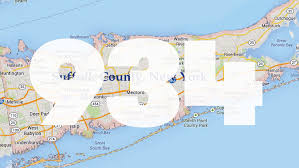
The 934 area code is assigned to Suffolk County, which makes up the eastern two-thirds of Long Island, New York. It doesn’t have its own exclusive territory. Instead, it operates as an “overlay” for the same geographic region covered by the 631 area code. This means that two different area codes, 631 and 934, can exist side-by-side in the same neighborhood, on the same street, and even within the same household.
If you live in or do business with someone in Suffolk County, you could be assigned a phone number with either a 631 or a 934 prefix. This system ensures a continuous supply of new phone numbers for the area’s residents and businesses without needing to split the county into two separate calling zones, which would be much more disruptive.
The Geographic Footprint of the 934 Area Code
Suffolk County is a large and diverse area, and the 934 area code covers it all. This includes the western towns that border Nassau County, such as Babylon, Huntington, and Islip, which are densely populated suburban communities. It extends eastward through central Suffolk towns like Brookhaven and Smithtown, home to major research institutions and commercial centers. The area code also serves the more rural and agricultural eastern end of Long Island, encompassing the North Fork, known for its vineyards and farms, and the South Fork, famous for the luxurious coastal communities of the Hamptons. From bustling downtowns to serene beaches and sprawling farmland, the 934 area code connects a wide variety of landscapes and lifestyles.
Major Cities and Towns in the 934 Area Code
While Suffolk County doesn’t have major metropolitan cities in the traditional sense, it is made up of numerous large towns, hamlets, and villages. Anyone with a 934 area code phone number lives in one of these communities.
Here is a list of some prominent locations served by the 934 area code:
- Brentwood
- Central Islip
- Commack
- Coram
- Dix Hills
- East Hampton
- Hauppauge
- Holbrook
- Huntington Station
- Lindenhurst
- Medford
- Patchogue
- Riverhead
- Smithtown
- Southampton
- West Babylon
- West Islip
These towns represent a mix of residential, commercial, and recreational hubs throughout Suffolk County, all falling under the 631/934 overlay plan.
The History Behind the 934 Area Code
The story of the 934 area code is a story of growth and technological demand. For many years, all of Long Island, including Suffolk and Nassau counties, was served by the 516 area code. As the population boomed in the post-war era and phone lines became a household staple, the demand for new numbers skyrocketed. To address this, Suffolk County was split off in 1999 to create the new 631 area code. This solution worked for over a decade, but the continued population growth, combined with the explosion of cell phones, fax machines, and internet-connected devices, put a new strain on the number supply.
The Need for an Overlay
By the early 2010s, it became clear that the 631 area code was running out of available seven-digit number combinations. The New York State Public Service Commission had to decide on a solution. They could either split Suffolk County into two different area code zones, which would have forced many residents and businesses to change their existing numbers, or they could implement an overlay. An overlay plan was chosen as the less disruptive option. This plan introduced the 934 area code to the same geographic area as 631, allowing new numbers to be assigned with the 934 prefix while everyone with a 631 number could keep it. The 934 area code officially went into service on July 16, 2016.
The Transition to 10-Digit Dialing
The biggest change for residents when the 934 area code was introduced was the mandatory switch to 10-digit dialing. Before the overlay, anyone in Suffolk County could call another person in Suffolk County by dialing just the seven-digit phone number. However, because the 631 and 934 area codes now served the same area, dialing just seven digits became ambiguous. Does “555-1234” refer to the 631 number or the 934 number? To eliminate this confusion, all local calls within Suffolk County now require dialing the full 10-digit number (area code + seven-digit number). This was a significant adjustment for long-time residents but is now a standard practice for everyone in the region.
Understanding the 934 Area Code in Business
For businesses operating in Suffolk County, having a local phone number is crucial for building trust and a community presence. The introduction of the 934 area code provided a fresh supply of numbers for new and expanding businesses. A local number, whether it’s 631 or 934, signals to customers that a business is part of their community,
which can make them more likely to answer the phone and engage with the company. Many businesses list their full 10-digit number on websites, advertisements, and storefronts to make it easy for customers to connect with them. For companies looking to establish a new presence in Suffolk County, acquiring a block of numbers with the 934 area code is a straightforward way to get started.
Impact on Local Marketing
From a marketing perspective, the 934 area code is just as valuable as the 631 area code. Both are instantly recognizable as belonging to Suffolk County. When businesses run local marketing campaigns, whether through flyers, radio ads, or online searches, using a local number helps target the right audience. For example, a restaurant in Patchogue or a retail store in Smithtown will want to attract nearby customers, and a local phone number reinforces that they are a neighborhood establishment. The overlay system ensures that there is no perceived difference in value or prestige between a 631 and a 934 number; both signify a connection to the vibrant Long Island economy.
Is the 934 Area Code a Scam?
It’s a common question with any unfamiliar area code: is this a scam? The short answer is no, the 934 area code itself is not a scam. It is a legitimate, officially assigned area code by the North American Numbering Plan Administrator (NANPA) for Suffolk County, New York. A call from a 934 number could be from a friend, a local business, a doctor’s office, or any other legitimate person or organization in the area. However, scammers can use technology to “spoof” any area code, including 934. Spoofing is when a caller deliberately falsifies the information transmitted to your caller ID display to disguise their identity.
Common Phone Scams and How to Spot Them
Scammers are clever and use a variety of tactics to try to trick you. They often spoof local area codes like the 934 area code to make you more likely to pick up the phone. They hope you’ll think the call is from a neighbor or a local service provider.
Be aware of these common scam tactics:
- Urgency: Scammers often create a false sense of urgency. They might claim your bank account is compromised, you owe back taxes to the IRS, or a family member is in trouble and needs money immediately.
- Impersonation: They may pretend to be from a well-known company like Amazon, your utility provider, or a government agency like the Social Security Administration.
- Threats: Some scammers will threaten you with legal action, arrest, or shutting off your power if you don’t comply with their demands.
- Unusual Payment Requests: A major red flag is a request for payment via gift cards, wire transfers, or cryptocurrency. Legitimate organizations will never ask for payment in these forms.
How to Protect Yourself from Phone Scams
Protecting yourself from phone scams requires a healthy dose of skepticism and a few practical steps. Whether the incoming call is from a 934 area code or any other number, it’s wise to be cautious.
Here’s what you can do:
- Don’t Answer Unknown Numbers: If you don’t recognize the number, let it go to voicemail. A legitimate caller will leave a message.
- Verify Independently: If the caller claims to be from your bank or a government agency, hang up. Find the official phone number for that organization on their website or a statement and call them directly to verify the information.
- Never Give Out Personal Information: Do not share your Social Security number, bank account details, passwords, or other sensitive information over the phone unless you initiated the call and are certain who you’re speaking with.
- Use Call-Blocking Tools: Many smartphones and service providers offer tools to block and report spam numbers. Use these features to reduce the number of unwanted calls you receive.
Staying informed about technology trends and security is vital. Websites like Silicon Valley Time often provide insights into the latest tech, which can include developments in telecommunications and security. Keeping up with such information at https://siliconvalleytime.co.uk/ can help you stay one step ahead.
Facts About the 934 Area Code
Let’s look at a quick summary of key facts about this Long Island area code.
|
Feature |
Details |
|---|---|
|
Location |
Suffolk County, Long Island, New York |
|
Time Zone |
Eastern Time Zone (ET) – Observes Daylight Saving Time |
|
Date Activated |
July 16, 2016 |
|
Type |
Overlay Area Code (with 631) |
|
Dialing Procedure |
Mandatory 10-digit dialing for all local calls |
|
Key Areas Served |
Huntington, Islip, Brookhaven, The Hamptons, Riverhead, Smithtown, Babylon |
This table provides a simple overview of the essential information related to the 934 area code, making it easy to understand its primary characteristics at a glance. It serves the entirety of Suffolk County, a region known for its beautiful beaches, historic towns, and strong economy.
The Future of Area Codes in Suffolk County
The introduction of the 934 area code was a solution designed to last for several decades. The North American Numbering Plan Administrator projects that the combination of 631 and 934 will provide enough numbers for Suffolk County until around 2045. As technology continues to evolve, the way we use phone numbers may change as well.
The rise of communication through apps and data-based services could alter the demand for traditional phone numbers in the long term. For now, the 631/934 overlay plan remains a stable and effective system for keeping the millions of people in Suffolk County connected. When the time comes for another change, residents will be notified well in advance, just as they were before the 934 area code was implemented.
Conclusion
The 934 area code is more than just a prefix; it’s a symbol of Suffolk County’s continued growth and adaptation in a connected world. Introduced as an overlay to the established 631 area code, it ensures that this bustling region of Long Island has a plentiful supply of phone numbers for its residents and businesses. From the suburban communities in the west to the farmlands of the North Fork and the iconic beaches of the Hamptons, the 934 area code ties the entire county together.
Its implementation brought the permanent change of mandatory 10-digit dialing, a now-standard practice for making any local call. While the area code itself is legitimate, it’s a reminder to always stay vigilant against phone scams that use spoofing technology. By understanding the history and function of the 934 area code, you’re better equipped to navigate the local telecommunications landscape of one of New York’s most vital regions.
Frequently Asked Questions (FAQ)
Q: What area is area code 934?
A: The 934 area code serves all of Suffolk County on Long Island, New York. It is an overlay code that covers the same geographic area as the 631 area code.
Q: Is 934 a real area code in New York?
A: Yes, 934 is a real and official area code in New York. It was activated in 2016 to provide additional phone numbers for Suffolk County.
Q: Do I need to dial 1 before the 934 area code?
A: For local calls within the 934 and 631 area codes, you do not need to dial 1; you only need to dial the 10-digit number (934 + seven-digit number). For long-distance calls to a 934 number from outside the area, you will need to dial 1 + 934 + the seven-digit number.
Q: Why was the 934 area code created?
A: The 934 area code was created because the existing 631 area code was running out of available phone number combinations. The rapid increase in cell phones and other connected devices led to a high demand that required a new supply of numbers.
Q: What is the difference between the 631 and 934 area codes?
A: There is no geographic difference. Both area codes serve the exact same region: Suffolk County. The only difference is the three-digit number itself. A phone with a 934 number could be right next door to a phone with a 631 number. Both are considered local to the area.