




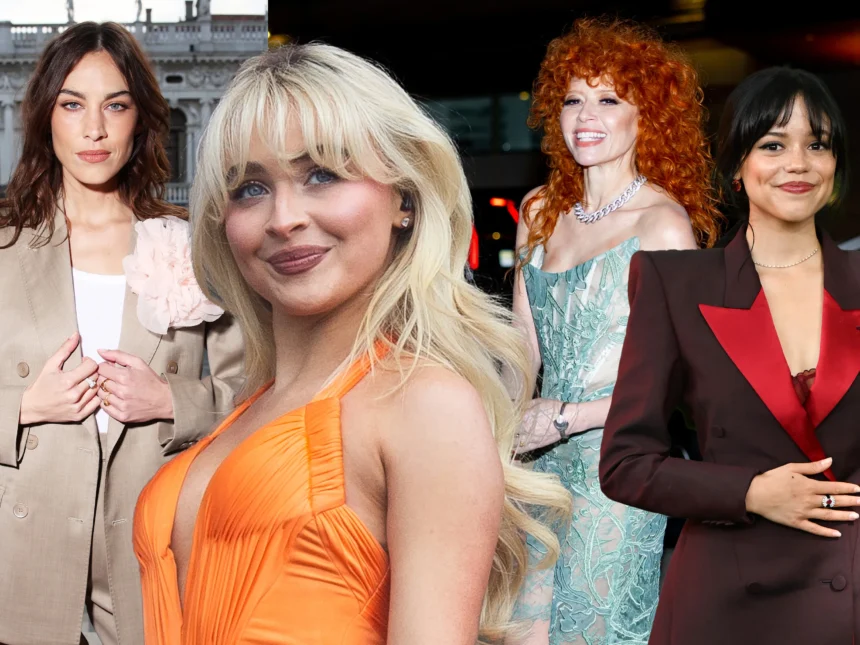

Curtain bangs are more than just a hairstyle; they’re a statement. This versatile, face-framing look has exploded in popularity, offering a chic yet low-maintenance way to update your style. Unlike blunt, straight-across bangs, curtain bangs are parted down the middle and sweep to each side, gently framing your face like, well, curtains. This soft, feathery look adds movement and dimension to your hair, creating a flattering and effortlessly cool vibe. Whether you’ve seen them on your favorite celebrity or a trendsetter on social media, you’ve probably considered if this style is right for you. This comprehensive guide will walk you through everything you need to know, from finding the perfect cut for your face shape to styling and maintenance. Get ready to explore the world of this timeless trend.
Key Takeaways
- Universal Appeal: Curtain bangs are incredibly versatile and can be tailored to suit nearly any face shape, hair type, and texture.
- Low-Maintenance Style: Compared to other types of bangs, they grow out gracefully and require less frequent trims.
- Customizable Length: You can choose short, wispy curtain bangs for a subtle look or opt for longer, more dramatic ones that blend into your layers.
- Styling is Key: A little effort with a round brush, blow dryer, or flat iron is all it takes to achieve that perfect sweep.
- Consult Your Stylist: Always have a professional cut your bangs for the first time to ensure they are shaped correctly for your face and hair.
What Exactly Are Curtain Bangs?
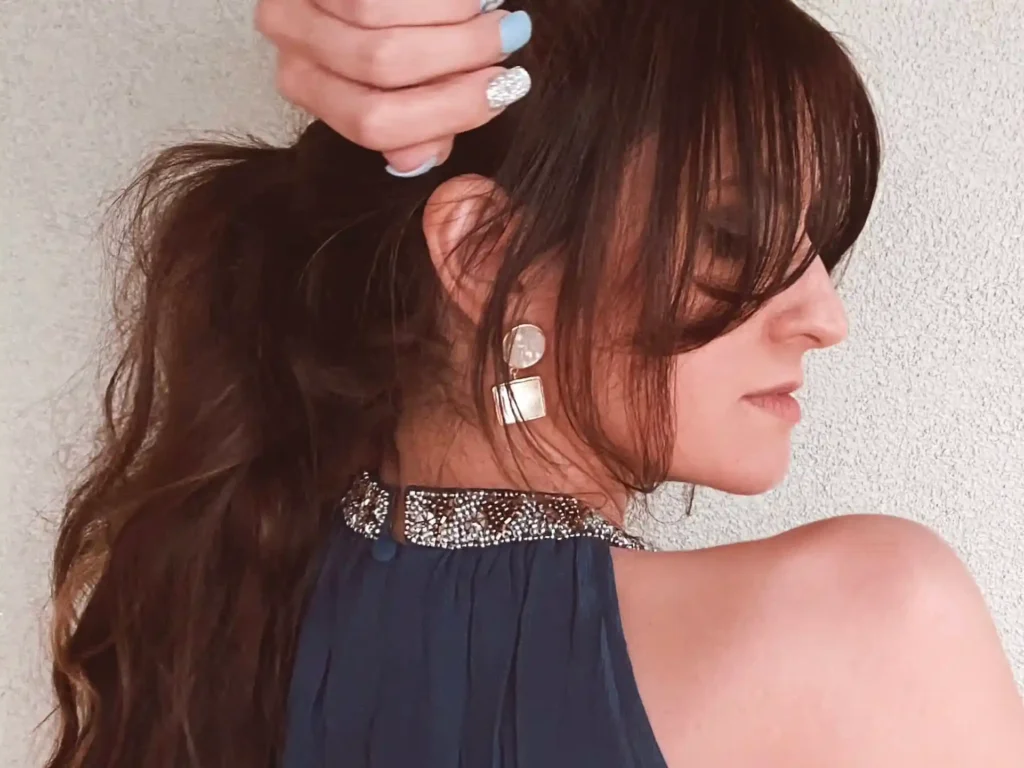
Let’s break down what makes this hairstyle so distinct. The term curtain bangs refers to a specific style of fringe that is parted in the center, framing the face on both sides. They are typically shorter in the middle and gradually get longer as they move outward, blending seamlessly into the rest of your hair. This graduation in length is what creates the signature “curtain” effect. Think of them as a softer, more grown-out version of traditional bangs. Their popularity surged in the 1960s and 70s with style icons like Brigitte Bardot, and they have made a major comeback. Today’s version can be adapted in countless ways, from short and choppy to long and blended. This adaptability is a major reason for their staying power. They offer the face-framing benefits of a fringe without the harsh commitment of a blunt cut, making them an ideal choice for anyone looking to experiment with their look.
Why Are They So Popular?
The widespread appeal of curtain bangs can be attributed to several key factors. First and foremost is their incredible versatility. They complement a wide range of face shapes, from oval and heart to square and round, because they can be customized in length and angle to highlight your best features. Second, they are relatively low-maintenance. While they require some styling, they don’t demand the constant trims that straight-across bangs do. As they grow, they simply evolve into soft, face-framing layers, allowing for a graceful transition if you decide to grow them out. The style also adds instant dimension and movement to your hair, breaking up the monotony of a single-length cut and adding a touch of effortless sophistication. Celebrities and influencers have played a huge role in their resurgence, showcasing just how modern and chic this retro style can be.
The Celebrity Influence on the Trend
Celebrities are often the catalysts for major hair trends, and curtain bangs are no exception. Stars like Dakota Johnson, Jennifer Lopez, and Halle Berry have famously sported this look, demonstrating its versatility across different hair types and personal styles. When a celebrity debuts a new hairstyle, it instantly becomes more accessible and desirable to the public. Each time a beloved actress or musician steps onto a red carpet with perfectly coiffed curtain bangs, it generates a new wave of interest. Social media platforms amplify this effect, with fans and stylists recreating the looks and sharing তাদের styling tips. This constant visibility keeps the trend fresh and relevant, encouraging people who might have been on the fence to finally take the plunge and try the style for themselves.
Will Curtain Bangs Suit Me? Finding the Right Fit
One of the most common questions stylists hear is, “Will curtain bangs look good on me?” The fantastic news is that the answer is almost always yes! The key lies in tailoring the cut to your specific features. Unlike one-size-fits-all styles, curtain bangs are highly customizable. A skilled stylist will consider your face shape, hair texture, and even your lifestyle when cutting your bangs. For example, someone with a round face might benefit from a slightly longer, more angular cut to create the illusion of length, while someone with a square jawline could opt for a softer, wispier version to soften their features. The parting, length, and choppiness can all be adjusted. This bespoke approach ensures that your bangs will flatter your unique beauty, making them one of a few truly universal hairstyles.
For Different Face Shapes
Understanding how to adapt curtain bangs for your face shape is crucial for a flattering result. Your stylist can guide you, but here’s a general breakdown.
- Oval Faces: Considered the most versatile face shape, you can pull off almost any style of curtain bang, from short and wispy to long and dramatic.
- Round Faces: The goal is to add length. Opt for longer curtain bangs that hit around the cheekbones, with a defined center part to elongate your face.
- Square Faces: Softer, layered curtain bangs are your best friend. A feathered, A-shaped fringe will soften the strong angles of your jawline.
- Heart Faces: This face shape is wider at the forehead and tapers to the chin. Longer curtain bangs that sweep outwards will balance your features beautifully by drawing attention to your eyes and cheekbones.
- Long Faces: Shorter curtain bangs that hit just above the cheekbones can help create the illusion of width, balancing out a longer face shape.
For Different Hair Types
Hair texture plays a significant role in how curtain bangs will sit and behave. It’s important to have realistic expectations and work with your natural texture, not against it.
Straight Hair
If you have straight hair, you’re in luck. Curtain bangs are incredibly easy to style on straight locks. Your hair will naturally fall into the desired shape with minimal effort. You might just need a quick pass with a blow dryer and round brush to give them a bit of volume and that classic sweep. One thing to watch out for is oiliness, as bangs can get greasy faster from contact with your forehead. A little dry shampoo will be your best friend.
Wavy Hair
Wavy hair gives curtain bangs a beautiful, bohemian texture. You can embrace your natural wave pattern for a relaxed, beachy look. To style, you can simply let them air-dry with a bit of texturizing spray. If you want a more polished look, use a round brush to smooth them out while blow-drying, directing the hair away from your face. The natural bend in your hair will add lovely movement and body to the bangs.
Curly Hair
Yes, you can absolutely have curtain bangs with curly hair! The key is to get a “dry cut,” where the stylist cuts your hair while it’s dry and in its natural curly state. This ensures they can see how each curl will fall and prevent the bangs from springing up too short. When styling, use a curl cream to define your ringlets and either air-dry or use a diffuser. Avoid brushing them when dry, as this can cause frizz.
Fine Hair
For those with fine hair, curtain bangs can be a game-changer for creating the illusion of volume. Ask your stylist for a slightly thicker, less wispy cut to make your hair appear fuller. When styling, focus on creating lift at the roots. A volumizing mousse and blow-drying your bangs upwards and then to the sides can add a lot of body. Avoid heavy products that can weigh your fine hair down.
How to Get the Perfect Cut: A Trip to the Salon
While DIY haircut tutorials are abundant online, cutting your own curtain bangs is a risky endeavor. The specific angles and graduated layers that make this style so flattering are difficult to achieve without professional training. Scheduling an appointment with a trusted stylist is your best bet. During the consultation, be very specific about what you want. Bringing inspiration photos is always a great idea. Discuss the length you’re comfortable with, how you plan to style them, and your daily routine. A good stylist will analyze your hair type and face shape to create a custom-cut that you’ll love. They can also give you a personalized styling lesson before you leave, ensuring you can recreate the look at home.
Styling Your Curtain Bangs Like a Pro
Once you have your perfect cut, the next step is mastering the styling. While they are lower maintenance than other bangs, they do require a little daily attention to look their best. With the right tools and techniques, you can achieve that salon-fresh sweep every day in just a few minutes. Don’t be intimidated; the process is simpler than it looks. The goal is to create volume at the root and a soft bend away from the face. Experiment with different methods to find what works best for your hair type and the look you want to achieve.
Essential Tools for Styling
To get that perfect swoosh, you’ll want to have a few key tools in your arsenal.
|
Tool |
Purpose |
Best For |
|---|---|---|
|
Blow Dryer with Nozzle |
Directs airflow for precise drying and smoothing. |
All hair types. |
|
Medium Round Brush |
Creates volume and the signature “C” curve. |
Straight, wavy, and fine hair. |
|
Velcro Rollers |
Sets the shape for long-lasting volume and bounce. |
Fine to medium hair. |
|
Flat Iron / Straightener |
Creates a soft bend or a sleeker look. |
Straight, wavy, and curly hair. |
|
Dry Shampoo |
Absorbs oil at the roots and adds texture. |
Oily or fine hair. |
|
Texturizing Spray |
Adds grit and hold for a lived-in, piecey look. |
All hair types, especially fine hair. |
Step-by-Step Styling Tutorial
Here is a simple, effective method for styling your curtain bangs using a blow dryer and round brush.
- Start with Damp Hair: It’s best to style your bangs when they are about 80% dry. If you’re not washing your hair, simply spritz them with water.
- Apply Product: Work a small amount of volumizing mousse or heat protectant through your bangs.
- Dry the Roots: Using your fingers, blow-dry the roots of your bangs in the opposite direction they will lay. First, push them all to the left and dry, then all to the right and dry. This technique creates maximum volume.
- Use the Round Brush: Place the round brush under one side of your bangs. Roll the brush upwards and away from your face while applying heat from the blow dryer. Hold for a few seconds.
- Cool and Set: Use the “cool shot” button on your dryer to set the shape. Gently release the brush.
- Repeat on the Other Side: Do the exact same thing on the other side of your part.
- Final Touches: Use your fingers to adjust your curtain bangs into place. Finish with a light mist of hairspray or texturizing spray to hold the style.
Maintaining Your Look
The beauty of curtain bangs is their graceful grow-out phase. Unlike blunt bangs that require a trim every 2-3 weeks, you can go much longer with this style. Typically, a trim every 6-8 weeks is sufficient to maintain the shape and get rid of any split ends. This timeline usually coincides with your regular haircut schedule, making maintenance convenient. As they get longer, they will simply transform into soft, face-framing layers that blend into the rest of your hair. If you want to keep them at a specific length, like eyebrow-grazing, you might need slightly more frequent trims. You can also ask your stylist for a quick bang-trim service, which is often less expensive than a full haircut. For more tips on lifestyle and beauty, you can find interesting articles on sites like https://siliconvalleytime.co.uk/ that cover a wide range of topics.
Transitioning and Growing Out Your Bangs
Eventually, you might decide you want to grow out your curtain bangs. The good news is that this process is far less awkward than with other fringe styles. Because they are already long and layered, they blend in seamlessly as they grow. During the transition, you can use styling tricks to manage them. You can sweep them further to the side, incorporate them into a braid, or use cute clips and headbands to pin them back. As they get longer, they will first resemble cheekbone-length layers and eventually blend completely into the rest of your hair. This effortless grow-out period is one of the main reasons people feel comfortable trying curtain bangs in the first place—the commitment is minimal.
Frequently Asked Questions (FAQ)
Q1: How often do I need to trim curtain bangs?
A: You can typically go 6-8 weeks between trims. They grow out very gracefully, so you don’t need the frequent maintenance of blunt bangs.
Q2: Can I get curtain bangs with a cowlick?
A: Yes! A skilled stylist can cut your curtain bangs in a way that works with your cowlick. It might require a little extra styling in the morning, like blow-drying the roots in the opposite direction, but it’s definitely manageable.
Q3: Are curtain bangs high-maintenance?
A: They are considered low-maintenance compared to other bangs. They do require a few minutes of styling each day to look their best, but they grow out beautifully, saving you frequent trips to the salon.
Q4: Will curtain bangs make my forehead break out?
A: It’s possible. Hair and styling products can transfer oil to your skin. To prevent this, make sure to cleanse your face thoroughly, use a dry shampoo on your bangs to absorb excess oil, and try to pin them back when working out or sleeping.
Q5: What’s the difference between curtain bangs and regular bangs?
A: The main difference is the parting and shape. Regular bangs are often cut straight across the forehead. Curtain bangs are parted in the middle and swept to the sides, creating a softer, face-framing effect with a graduated length.