




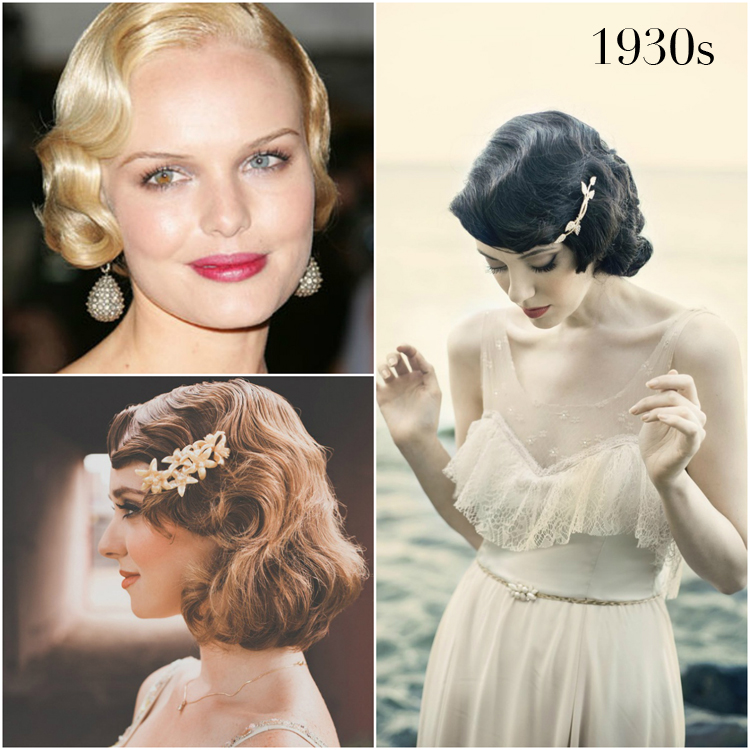

Step back in time to an era of elegance and resilience. The 1930s, a decade defined by economic hardship and the golden age of Hollywood, gave birth to some of the most iconic and enduring hairstyles in history. Moving away from the short, boyish bobs of the 1920s, the 1930s hairstyles introduced a softer, more feminine look. Curls, waves, and sculpted shapes became the signature of the decade, reflecting a desire for glamour and escapism.
These styles were not just about aesthetics; they were a statement of hope and creativity during challenging times. From the silver screen to the streets, women everywhere embraced styles that were both practical and beautiful, using techniques that are still celebrated today for their timeless appeal. This guide will explore the defining looks, the techniques used to create them, and how you can bring a touch of 1930s elegance into your modern style.
Key Takeaways
- Shift in Style: The 1930s marked a departure from the short, angular bobs of the 1920s, favoring longer, softer, and more feminine styles with an emphasis on waves and curls.
- Hollywood’s Influence: Silver screen icons like Jean Harlow, Greta Garbo, and Joan Crawford were major trendsetters, popularizing looks like the platinum blonde bombshell and deep finger waves.
- Styling Techniques: Key methods for achieving 1930s hairstyles included pin curls, finger waves, and the use of setting lotions. These techniques created the sculpted, long-lasting curls characteristic of the era.
- Accessories: Hats, clips, and other decorative hair accessories were essential for completing a 1930s look, often worn at a stylish angle.
- Modern Revival: Many elements of 1930s hairstyles, such as soft waves and elegant updos, continue to influence contemporary fashion and are popular for formal events and vintage-themed occasions.
From Bob to Wave: The Evolution of Hair in the 1930s
The 1920s roared with rebellion, and hairstyles were no exception. The “flapper” look, characterized by the sharp, straight Eton crop and boyish bob, symbolized a break from tradition. As the 1930s dawned, however, a noticeable shift occurred. The severe lines инновация softened, and hair began to grow longer. This transition wasn’t just about length; it was about texture and shape. The sleek, straight styles gave way to a celebration of curls and waves. The Marcel wave, popular in the late ’20s, evolved into the softer, more integrated finger wave.
This new feminine ideal was a direct response to the social and economic climate. Amidst the Great Depression, a touch of Hollywood glamour offered a welcome escape. The 1930s hairstyles were more romantic and aspirational, reflecting a collective yearning for softer, more hopeful times. The evolution was clear: the modern, independent woman of the ’20s was now embracing a more refined and elegant version of femininity.
The Defining Look: Finger Waves and Pin Curls
At the heart of almost all iconic 1930s hairstyles are two fundamental techniques: finger waves and pin curls. These methods were the building blocks for creating the sculpted, glamorous looks of the era. Finger waves were created on wet hair using a comb and the stylist’s fingers to push the hair into “S”-shaped waves, which were then held in place with clips and setting lotion to dry. The result was a sleek, polished wave that hugged the scalp. This technique required considerable skill and patience, and a well-executed set of finger waves was a hallmark of 1930s beauty.
Pin curls, on the other hand, were used to create everything from tight, bouncy curls to soft, voluminous waves. Small sections of wet hair were wound into flat or standing curls, pinned securely against the scalp, and left to dry completely, often overnight. The size of the curl and the direction it was wound determined the final look. Pin curls were incredibly versatile, allowing women to create a wide variety of styles, from the tight ringlets framing the face to the larger, looser waves that formed the basis of elegant updos. Together, these two techniques defined the texture and silhouette of the decade.
Hollywood’s Golden Girls and Their Impact
Hollywood was the ultimate trendsetter in the 1930s. The silver screen provided a canvas for a new kind of glamour, and actresses became a primary source of fashion and beauty inspiration. Their on-screen personas and off-screen styles were copied by women across the globe.
Jean Harlow: The Platinum Bombshell
Jean Harlow was arguably the decade’s biggest hair icon. Her signature “platinum blonde” color, a startlingly bright and artificial shade, sparked a nationwide craze. Women rushed to beauty parlors requesting to be “Harlowed.” Her hair was typically styled in soft, fluffy waves with a deep side part, a look that combined innocence with overt glamour. This iconic 1930s hairstyles look was more than just a style; it was a symbol of Hollywood’s larger-than-life allure. Harlow’s look proved that hair could be a powerful tool for creating a persona, and her influence cemented the blonde bombshell archetype in popular culture for decades to come.
Greta Garbo: Understated Elegance
In contrast to Harlow’s overt glamour, Greta Garbo personified a more mysterious and understated elegance. Her hair was typically a medium length, styled in soft, natural-looking waves that beautifully framed her famous face. Garbo often wore her hair with a simple center or side part, allowing the gentle curls to speak for themselves. This less-is-more approach was perfect for her enigmatic screen presence. Her chosen 1930s hairstyles were sophisticated and timeless, demonstrating that glamour didn’t always have to be loud. Garbo’s look appealed to women who preferred a more refined and less artificial style, proving that subtlety could be just as captivating.
Joan Crawford: Dramatic and Defined
Joan Crawford’s look was all about drama and structure. She often wore her hair in a shoulder-length bob, but it was a world away from the boyish bobs of the 1920s. Crawford’s style featured a deep side part and meticulously sculpted waves and curls. The top was often styled flatter to the head, cascading into a fuller, curlier bottom. This created a strong, defined silhouette that mirrored her powerful on-screen characters. Her look was a perfect example of how 1930s hairstyles balanced structure with softness. Crawford’s hair was always perfectly coiffed, embodying a sense of control and ambition that resonated with many women of the era.
|
Movie Star |
Signature Hairstyle |
Impact on 1930s Trends |
|---|---|---|
|
Jean Harlow |
Platinum blonde, soft fluffy waves |
Popularized bottle-blonde hair and the “bombshell” look. |
|
Greta Garbo |
Medium-length, soft, natural waves |
Championed an understated, elegant, and more natural curl. |
|
Joan Crawford |
Shoulder-length bob with sculpted waves |
Defined a dramatic, structured, yet feminine silhouette. |
|
Bette Davis |
Short, tightly curled bob with a side part |
Showcased a chic and sophisticated style for shorter hair. |
The Art of the Updo in the 1930s
While waves and curls were dominant, the updo remained a popular choice, especially for formal occasions. The 1930s hairstyles took the updo to new heights of artistry, focusing on intricate arrangements of curls and waves. Unlike the sleek chignons of other eras, 1930s updos were complex and highly stylized. A typical evening style might involve the front and sides of the hair being styled into finger waves, while the back was arranged into a cluster of tight pin curls at the nape of the neck or on top of the head.
Braids were also woven into updos to add texture and interest. The key was to maintain a soft, feminine silhouette, even with the hair pinned up. These styles were often adorned with decorative combs, clips, or even fresh flowers, adding another layer of glamour. The 1930s updo was a masterpiece of hairdressing, showcasing the skill of the stylist and the elegance of the wearer.
Men’s Hairstyles: Suave and Sophisticated
Men’s hair in the 1930s was the epitome of dapper and polished. The prevailing look was short on the sides and back, with more length left on top to allow for styling. The most crucial element was the sharp, defined part, almost always on the side. This clean parting line was the foundation of the style.
Hair was then meticulously combed into place, often with the help of brilliantine or other hair tonics, which gave it a distinctively wet, high-shine finish. Clark Gable, the “King of Hollywood,” was the ultimate inspiration for men’s 1930s hairstyles. His look—perfectly coiffed, parted, and with a slight wave at the front—was emulated by men everywhere. The goal was to look neat, respectable, and effortlessly suave. Facial hair was not common; the clean-shaven look was preferred, though a pencil-thin mustache, like Gable’s, was a fashionable option.
Tools of the Trade: Creating 1930s Hair
Achieving authentic 1930s hairstyles required a specific set of tools and products. Without modern conveniences like curling wands and aerosol hairspray, women relied on skill and a few key items. Setting lotion was paramount; this-water-based product was applied to wet hair to help it hold its shape as it dried, making finger waves and pin curls possible. Metal clips, such as wave clips and bobby pins, were essential for holding the hair in place while it set. A fine-toothed comb was necessary for creating a sharp part and for combing out the set curls into soft, blended waves.
For home styling, women often used hair rollers or curlers made of metal or Bakelite. The hair would be set at night, and the woman would sleep with her hair in pins or rollers, often under a hairnet or scarf. In the morning, the hair was carefully unpinned and brushed out to create the final style. For a more professional finish, a visit to the beauty parlor for a “shampoo and set” was a weekly ritual for many. The process was time-consuming, but the results were a glamorous, long-lasting style that could hold for days.
African American Hairstyles in the 1930s
African American women and men in the 1930s also embraced the popular trends of the era while incorporating their own unique styles and techniques. For women, the soft waves and curls of Hollywood were highly desirable. Achieving these looks on textured hair often involved a process called pressing. Using a heated metal “pressing comb,” the hair was straightened and then styled into finger waves, pin curls, or elegant updos. Beauty pioneers like Madam C.J. Walker had developed hair care systems and products that made these styles more accessible. This allowed Black women to participate in the glamorous trends of the decade.
For African American men, the polished, dapper look was also in vogue. The short-on-the-sides, longer-on-top cut was popular, styled with a sharp part and pomade to achieve a sleek, shiny finish. This meticulous grooming reflected the same desire for sophistication and respectability seen in the broader culture. The history of 1930s hairstyles in the African American community is a story of innovation and adaptation, using specific techniques to create the era’s signature looks.
Accessorizing Your 1930s Look
No 1930s hairstyles look was complete without the right accessories. Hats, in particular, were an essential part of any woman’s daytime wardrobe. Unlike the cloche hats of the 1920s that pulled down low over the forehead, 1930s hats were smaller and designed to be worn at a jaunty angle. This tilt was crucial, as it allowed the carefully styled hair at the front and side to be shown off. Styles like the beret, the small-brimmed fedora, and the cartwheel hat were all popular.
For evening wear or to add a touch of glamour to a simpler hairstyle, decorative clips and combs were used. Often made of early plastics like Bakelite or celluloid and adorned with rhinestones, these clips were placed acessórios strategically to hold back a wave or accentuate a cluster of curls. Headbands and embellished scarves were also used to add color and interest. These accessories were not just functional; they were a key part of the overall aesthetic, adding a final, polished touch to the sculpted hairstyles of the decade.
How to Create a Modern 193s-Inspired Look
You don’t need to spend hours with pin curls to bring a touch of 1930s elegance to your hair. Modern tools can help you achieve a similar vibe with much less effort.
- Use a Curling Wand: Instead of pin curls, use a 1-inch or 1.5-inch curling wand. Wrap sections of hair in the same direction, let them cool, and then brush them out with a boar bristle brush to create soft, uniform waves.
- Deep Side Part: The easiest way to channel the 1930s is with a dramatic deep side part. It instantly changes the silhouette of your hair and adds a vintage feel.
- Faux Finger Waves: For the front section of your hair, you can create a “faux” finger wave. Apply a strong-hold gel or mousse, use a comb to create an “S” shape, and clip it in place. Hit it with a hairdryer to set it quickly.
- Accessorize: Add a decorative clip or a simple beret worn at an angle to instantly evoke the era.
The key is to capture the spirit of 1930s hairstyles—softness, structure, and glamour—rather than creating a perfect historical replication. As seen in trends covered by outlets like siliconvalleytime.co.uk, vintage styles are always being reinterpreted for the modern age.
The Enduring Legacy of 1930s Hairstyles
The influence of 1930s hairstyles is undeniable and far-reaching. The decade established a new standard for Hollywood glamour that continues to inspire red carpet looks today. The soft, sculpted waves and elegant updos are a go-to for formal events, weddings, and awards ceremonies. Every time a celebrity walks the red carpet with deep side-parted, uniform waves, they are channeling the spirit of Jean Harlow and Greta Garbo.
Beyond the red carpet, the techniques pioneered in the 1930s, like the pin curl set, remain a fundamental part of a hairdresser’s education. They teach the importance of a good foundation for creating long-lasting, voluminous styles. The aesthetic of the 1930s also lives on in vintage subcultures and a general appreciation for classic beauty. The decade’s styles represent a perfect blend of artistry and femininity, proving that true glamour never goes out of fashion. They remind us of a time when, even in the face of hardship, beauty and creativity thrived.
Frequently Asked Questions (FAQ)
Q1: What is the main difference between 1920s and 1930s hairstyles?
The biggest difference is the shift from short, boyish bobs in the 1920s to longer, softer, and more feminine styles in the 1930s. The 1930s emphasized curls and waves, like finger waves and pin curls, moving away from the straight, angular cuts of the previous decade.
Q2: How did women in the 1930s get their hair so curly?
They used “wet-setting” techniques. Hair was dampened with water and setting lotion, then meticulously shaped into finger waves or wound into pin curls. The hair was then left to air-dry completely, often overnight, which set the curls in place for days.
Q3: Who were the biggest hair icons of the 1930s?
Hollywood actresses were the primary trendsetters. Jean Harlow, with her iconic platinum blonde waves, Greta Garbo, with her soft and elegant curls, and Joan Crawford, with her dramatically-styled bob, were three of the most influential figures for 1930s hairstyles.
Q4: Are 1930s hairstyles difficult to create today?
Authentic recreations can be time-consuming, as they require wet-setting techniques. However, you can achieve a modern, 1930s-inspired look much more easily using curling wands, hot rollers, and modern styling products to create soft, brushed-out waves.
Q5: What kind of accessories were worn with 1930s hairstyles?
Hats were a key accessory, typically small and worn at an angle to show off the hair. For evening or decorative purposes, women used rhinestone-studded clips, decorative combs, and occasionally headbands or scarves to accentuate their sculpted waves and updos.