




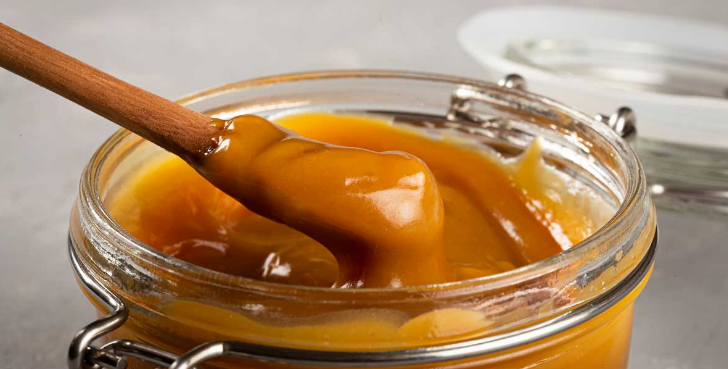

Everyone loves a sweet treat now and then, but few things compare to the rich, creamy goodness of dulce de leche. If you have ever tasted a caramel sauce that seemed thicker, milkier, and just deeper in flavor than usual, you probably stumbled upon this Latin American treasure. It is more than just a topping; it is a cultural icon found in kitchens across the world. Whether you spread it on toast, drizzle it over ice cream, or eat it straight from the jar with a spoon (we won’t judge!), this confection brings joy to every bite.
In this guide, we are going to explore everything about this “candy of milk.” We will look at where it came from, how it is different from regular caramel, and how you can even make it at home. It is time to satisfy your sweet tooth and dive deep into this golden, sticky delight.
Key Takeaways
- Dulce de leche is a popular Latin American confection made by slowly heating sweetened milk.
- It differs from traditional caramel because it uses milk as a base, not water.
- You can make it at home using a few simple ingredients or a can of sweetened condensed milk.
- It is incredibly versatile, used in cakes, cookies, ice cream, and coffee.
- Different countries have their own unique versions and names for this treat.
What Exactly Is Dulce de Leche?
To really understand this treat, we have to look at the name itself. In Spanish, dulce de leche literally translates to “candy of milk” or “sweet made of milk.” At its core, it is a confection prepared by slowly heating sweetened milk. The goal is to create a substance that derives its taste from the Maillard reaction, which changes the color and flavor of the ingredients. This isn’t just burnt sugar; it is a complex chemical reaction that turns simple milk and sugar into liquid gold.
While it looks a lot like caramel, the texture is generally thicker and creamier. The color ranges from a light tan to a deep, dark brown, depending on how long it has been cooked. In the United States, you might see it sold in jars near the peanut butter or in the baking aisle. However, in places like Argentina, Uruguay, and Chile, it is a staple food found in almost every pantry. It is used as a spread for breakfast, a filling for pastries, and a flavoring for almost any dessert you can imagine.
The Origin Story: Who Invented It?
The history of dulce de leche is a bit of a mystery, with several countries claiming they invented it. One popular legend comes from Argentina. The story goes that in 1829, a maid was heating milk and sugar for a politician. She forgot about the pot on the stove, and when she returned, the liquid had cooked down into a thick, brown paste. Instead of being ruined, the accidental creation was delicious, and a national obsession was born.
However, historians have found evidence that similar recipes existed much earlier in other parts of the world. Some say it originated in the Philippines before coming to the Americas, while others trace its roots to medieval Europe. Regardless of exactly who made the first batch, there is no denying that Latin American countries perfected it. Today, it is deeply embedded in the culinary identity of South America, with Argentina and Uruguay often competing over who makes the absolute best version.
Dulce de Leche vs. Caramel: What’s the Difference?
A common question people ask is, “Isn’t this just caramel?” The answer is no, not quite. While they look similar and both taste sweet, the ingredients and cooking processes are different. Standard caramel is made by heating sugar (and sometimes water) until it melts and turns brown. Butter and cream are often added at the end to make a caramel sauce, but the base flavor comes from the caramelized sugar itself.
On the other hand, dulce de leche is made by cooking milk and sugar together from the very start. The flavor profile is less about burnt sugar and more about toasted milk solids. This gives it a nuttier, mellower taste compared to the sharp sweetness of traditional caramel. The texture is also distinct; caramel can be stringy or glassy, while the milk-based version is usually smooth, spreadable, and lush. If you are baking a dessert that needs a creamy element, the milk-based option is usually the superior choice.
Comparing Sweet Sauces
|
Feature |
Caramel |
Dulce de Leche |
Butterscotch |
|---|---|---|---|
|
Base Ingredient |
Sugar |
Milk & Sugar |
Brown Sugar & Butter |
|
Flavor Profile |
Sharp, intense sweet |
Creamy, nutty, mellow |
Buttery, molasses-like |
|
Texture |
Can be hard or saucy |
Thick, spreadable paste |
Usually a sauce or hard candy |
|
Color |
Amber to dark brown |
Light tan to dark brown |
Golden yellow to brown |
|
Common Use |
Candy apples, drizzles |
Spreads, pastry filling |
Pudding, ice cream topping |
How to Make Dulce de Leche at Home
Making this treat at home is easier than you might think, though it does require patience. The most traditional method involves a pot, milk, sugar, and a vanilla bean. You combine the ingredients in a heavy-bottomed saucepan and cook them over low heat. You have to stir constantly to prevent the milk from scorching on the bottom of the pan. This process can take anywhere from two to four hours depending on the volume you are making.
As the water evaporates from the milk, the mixture thickens and darkens. You will know it is ready when it coats the back of a spoon and has reached a deep golden color. It is a labor of love, but the result is a preservative-free, incredibly fresh product that tastes better than anything you can buy in a store. Just be careful—sugar burns can be painful, so handle the hot mixture with caution!
The Sweetened Condensed Milk Hack
If standing over a stove for three hours doesn’t sound fun, there is a popular shortcut. You can make dulce de leche using a can of sweetened condensed milk. The most common method is the water bath. You remove the label from the sealed can, submerge it completely in a pot of water, and boil it for 2 to 3 hours. It is crucial that the can stays submerged the entire time; if the water level drops and exposes the can, it could overheat and explode.
Another safer way to use condensed milk is the oven method. You pour the condensed milk into a pie dish, cover it tightly with foil, and place that dish inside a larger roasting pan filled with water (a water bath). Bake it at 425°F for about an hour or until it reaches your desired color. This method allows you to check the progress easily and stir it occasionally for a smoother consistency.
Culinary Uses: How to Eat It
Once you have a jar of dulce de leche, the possibilities are endless. In Argentina, the most famous way to eat it is in alfajores. These are soft, delicate sandwich cookies filled with a generous layer of the sweet spread and often rolled in coconut or dipped in chocolate. They are sold everywhere, from corner stores to high-end bakeries, and are the perfect companion to a cup of coffee.
Beyond cookies, you can swirl it into brownie batter before baking for a gooey surprise. It makes an excellent filling for crepes or pancakes, turning a standard breakfast into a decadent feast. You can also mix it into hot coffee or milk for a warm, comforting drink. For a simple dessert, try heating it slightly and pouring it over vanilla bean ice cream. The contrast between the cold ice cream and the warm, milky sauce is unforgettable.
Variations Around the World
While the name dulce de leche is Spanish, similar treats exist all over the globe with different names and slight variations. In Mexico, a very similar product is called cajeta. The main difference is that cajeta is traditionally made with goat’s milk, which gives it a tangier, funkier flavor profile compared to the cow’s milk version. It is often sold with flavor variations like vanilla, wine, or burned milk.
In France, a similar jam is known as confiture de lait. It is popular in Normandy and is often used as a spread for toast or croissants. In Russia and post-Soviet countries, boiled condensed milk is extremely popular and known as varyonka. It became a staple during the Soviet era because condensed milk was widely available and non-perishable. Each culture has adapted the concept of caramelized milk to fit their local tastes and ingredients.
The Role of Baking Soda
If you look at a traditional recipe for dulce de leche, you will almost always see baking soda (sodium bicarbonate) listed as an ingredient. You might wonder why you need baking soda for a stovetop sauce. The baking soda serves a very specific chemical purpose. It raises the pH level of the mixture, which is crucial for the Maillard reaction to occur efficiently.
Without the baking soda, the browning process would take much longer, and you might not get that deep, characteristic color. It also helps prevent the milk proteins from coagulating too quickly, which keeps the final texture smooth rather than gritty. However, you have to be careful not to add too much, or the final product can have a slightly soapy or metallic aftertaste. A tiny pinch goes a long way in achieving the perfect result.
Storing Your Sweet Creation
Proper storage is key to keeping your dulce de leche fresh and delicious. If you buy a commercially prepared jar that hasn’t been opened, it can usually stay in your pantry for months. However, once you open it—or if you have made a fresh batch at home—it needs to go into the refrigerator. Because it contains milk products, it can spoil if left out at room temperature for too long.
When stored in an airtight container in the fridge, homemade versions typically last for about two to four weeks. You might notice that it becomes much thicker when cold. If you want to use it as a drizzle or a dip, simply scoop out the amount you need and microwave it for 10 to 15 seconds. This will return it to a gooey, pourable consistency without ruining the flavor.
Nutritional Information: Is it Healthy?
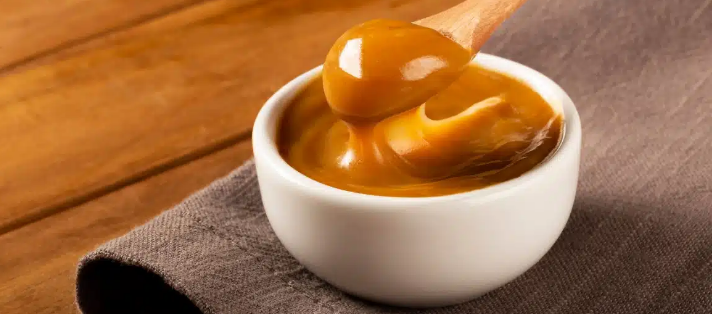
Let’s be honest: dulce de leche is a dessert, not a health food. It is high in sugar and calories, so it should be enjoyed in moderation. A typical tablespoon contains about 60 to 70 calories and roughly 10-12 grams of sugar. However, because it is made from milk, it does contain some calcium and protein, roughly 1 gram of protein per serving.
Compared to other sweet toppings like chocolate syrup or pure maple syrup, it is richer, meaning you might feel satisfied with a smaller amount. It is gluten-free naturally (though always check labels to be sure no thickeners were added), which makes it a safe sweet treat for those with Celiac disease. Just remember that it is still a concentrated source of sugar, so treat it as an indulgence rather than a daily dietary staple.
Why It Is Gaining Popularity in the US
In recent years, the popularity of dulce de leche has skyrocketed in the United States. You can now find flavors featuring it in major ice cream brands, coffee chains, and donut shops. Part of this is due to the growing influence of Hispanic culture on American cuisine. As people become more adventurous eaters, they are looking beyond traditional chocolate and vanilla flavors.
Another reason for its growth is the “salted caramel” trend. American palates have adjusted to enjoying salty-sweet combinations. Since this milk jam naturally has a savory undertone, it fits perfectly into this trend. Chefs are even using it in savory dishes, like glazes for pork or mix-ins for barbecue sauces, proving that this ingredient is incredibly versatile and here to stay.
Incorporating It into Your Business
For entrepreneurs looking to follow food trends, this flavor is a safe bet. If you run a bakery or a cafe, adding a dulce de leche latte or cupcake to your menu can attract customers looking for comfort food with a twist. We often discuss business trends and lifestyle shifts at Silicon Valley Time, and the culinary world is a huge part of how culture evolves. Adopting global flavors is a smart move for modern businesses.
Creating unique products, like filled cookies or artisanal jars of the sauce, can set a small business apart. The barrier to entry is low since the ingredients (milk and sugar) are affordable, but the perceived value of the final product is high. It feels gourmet and exotic to many consumers, allowing for a premium price point.
Vegan and Dairy-Free Alternatives
For those who are lactose intolerant or vegan, missing out on dulce de leche can be sad. Fortunately, there are excellent dairy-free alternatives available today. The most common substitute is made using coconut milk. Coconut milk has a high fat content and natural sweetness that caramelizes beautifully. When cooked down with sugar (often coconut sugar for a lower glycemic index), it creates a thick, rich sauce known as “dulce de coco.”
Other alternatives can be made using almond milk or oat milk, though these often require added thickeners like starch or agar because they lack the natural fats found in cow or coconut milk. While the flavor profile will distinctly taste like the plant base used, the texture and experience are very close to the original. Many health food stores now stock these vegan versions, making the treat accessible to everyone.
Common Mistakes When Making It
If you decide to try the stovetop method, there are a few pitfalls to avoid. The most common mistake is impatience. Turning up the heat to high to make it cook faster will likely result in scorched milk or a grainy texture. Low and slow is the only way to achieve smoothness. Another issue is crystallization. If sugar crystals form on the side of the pan and fall back into the mixture, the whole batch can become gritty.
To prevent crystallization, you can brush down the sides of the pot with a wet pastry brush during the early stages of cooking. Also, adding the sugar only after the milk has warmed up can help it dissolve more evenly. If your final product is too runny, you likely didn’t cook it long enough. Remember, it will thicken as it cools, but it should still be fairly viscous while hot.
Creative Recipe: Dulce de Leche Cheesecake Bars
Want a simple way to use that jar in your pantry? Try these easy cheesecake bars.
- Crust: Mix 1 ½ cups graham cracker crumbs with 6 tablespoons melted butter. Press into a square baking pan.
- Filling: Beat 16oz cream cheese with ½ cup sugar and 2 eggs until smooth. Pour over the crust.
- The Swirl: Drop spoonfuls of dulce de leche over the cheesecake batter. Use a knife to swirl it gently, creating a marbled effect.
- Bake: Bake at 325°F for about 30-35 minutes. Chill completely before cutting.
This recipe highlights the creamy texture of the spread without it being overwhelmingly sweet. It’s a guaranteed crowd-pleaser for potlucks or family gatherings.
Where to Buy the Best Brands
If you aren’t cooking it yourself, you need to know what to buy. In the US, brands like Nestlé (La Lechera) are widely available and offer a consistent, solid product. For a more authentic, high-end taste, look for imported brands from Argentina like Havanna or San Ignacio. These can often be found in international markets or ordered online.
When choosing a brand, look at the ingredients list. The best ones should be short: milk, sugar, baking soda, and maybe vanilla. Avoid brands that list high fructose corn syrup or artificial colors near the top of the list. Authentic dulce de leche doesn’t need fake ingredients to taste good; the magic is in the milk and the cooking process.
Conclusion
From its humble origins in Latin American kitchens to its status as a global flavor sensation, dulce de leche has proven it is more than just a passing trend. Its rich, complex flavor offers a comforting alternative to standard sugary toppings. Whether you choose to spend a rainy afternoon stirring a pot of milk and sugar, or you simply pick up a jar at the grocery store, incorporating this treat into your life is a sweet decision.
So, the next time you are looking for that perfect topping for your ice cream or a secret ingredient for your coffee, reach for the “candy of milk.” It bridges cultures, satisfies cravings, and brings a little bit of golden joy to the table.
Frequently Asked Questions (FAQ)
Q: Can I use evaporated milk instead of condensed milk to make it?
A: No, evaporated milk is not the same as sweetened condensed milk. Evaporated milk does not have the added sugar required to caramelize and turn into dulce de leche. You would need to add a significant amount of sugar to the evaporated milk to make it work.
Q: Why is my homemade dulce de leche grainy?
A: Graininess is usually caused by sugar crystallization. This happens if the sugar didn’t dissolve completely or if the mixture was stirred too vigorously while crystals were on the side of the pot. Adding a tiny bit of corn syrup can sometimes help prevent this.
Q: Is cajeta the same thing?
A: They are very similar, but cajeta is traditionally made with goat’s milk, while the traditional version is made with cow’s milk. Cajeta tends to be a bit thinner and has a distinct, slightly tangy flavor.
Q: Does dulce de leche go bad?
A: Yes. While the high sugar content acts as a preservative, it is a dairy product. An unopened jar can last months, but once opened, it should be refrigerated and eaten within a few weeks to prevent mold or spoilage.
Q: Can I use it as a cake frosting?
A: Absolutely! However, straight from the jar, it might be too sticky to pipe. You can whip it with butter and powdered sugar to create a stable, fluffy buttercream frosting with a deep caramel flavor.