







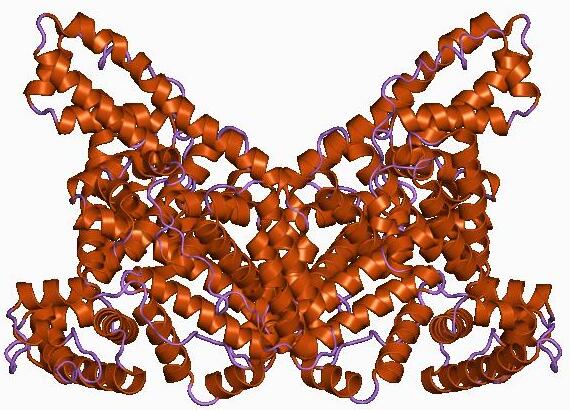

Have you ever wondered what keeps your blood flowing smoothly or how your body transports vital nutrients to where they are needed most? While we often hear about vitamins and minerals, there is a hero working behind the scenes called albumīns. It might sound like a complicated medical term, but it is actually one of the most abundant and important proteins in your blood plasma. Understanding it can give you a fascinating glimpse into how your body stays balanced and healthy.
In this guide, we are going to break down everything you need to know about this essential protein. We will explore what it does, why doctors test for it, and what high or low levels might mean for your health. Whether you are prepping for a medical test or just curious about human biology, we’ve got you covered. By the end, you will see why keeping your albumīns levels in check is a key part of overall wellness.
Key Takeaways:
- Albumīns is the main protein found in blood plasma, produced by the liver.
- It regulates blood volume and transports substances like hormones and medicines throughout the body.
- Abnormal levels can indicate liver or kidney issues.
- Diet and hydration play significant roles in maintaining healthy protein levels.
- Regular blood tests are the best way to monitor your status.
What Is Albumīns and Why Is It Important?
When we talk about the building blocks of the body, proteins usually take center stage. Among these, albumīns is the heavyweight champion of blood plasma proteins. It is made exclusively by your liver and makes up about 50% to 60% of the total protein in your blood. Think of it as a busy delivery truck driver and a traffic controller all rolled into one. It has massive responsibilities that keep your systems running without a hitch.
The primary job of this protein is to keep fluid from leaking out of your blood vessels into other tissues. This function is known as maintaining oncotic pressure. Without enough albumīns, fluid would seep into your tissues, causing swelling, which doctors call edema. It essentially acts like a sponge, holding water in the blood vessels so your blood volume stays stable and your heart can pump effectively.
But that’s not all it does. It is also a master transporter. Hormones, vitamins, enzymes, and even medicines need a ride to get to different parts of your body. Since many of these substances aren’t water-soluble, they can’t travel through the blood on their own. albumīns binds to them and carries them safely through the bloodstream. It’s truly a multitasker that your body cannot function without.
The Role of the Liver in Production
Your liver is the factory where albumīns is manufactured. A healthy liver produces about 10 to 15 grams of this protein every single day. This production line is crucial because unlike some other substances in the body, this protein isn’t stored in large reserves. It has to be constantly replenished to maintain the right levels in your bloodstream.
Because the liver is the sole producer, the levels of this protein in your blood are often used as a report card for liver health. If the liver cells are damaged due to illness, alcohol use, or infection, the production slows down. When doctors see low levels on a blood test, one of the first things they check is how well the liver is functioning. It’s a direct link to your body’s metabolic engine.
How Albumīns Differ From Globulins
Blood proteins are generally divided into two main groups: albumīns and globulins. While our main topic is the most abundant, globulins play a different but equally important role. Globulins are produced by the liver and the immune system. They are heavily involved in fighting infections (antibodies are a type of globulin) and blood clotting.
The ratio between these two types of proteins is often measured in a test called the A/G ratio. This helps doctors pinpoint specific health issues. For example, if your albumīns is low but globulins are high, it might suggest a chronic infection or an autoimmune disease. Understanding the difference helps paint a complete picture of your health, rather than just looking at one piece of the puzzle.
The Critical Functions of Albumīns in the Body
We have touched on the basics, but let’s dive deeper into the specific jobs this protein handles. Its versatility is what makes it so vital. One of its lesser-known roles is its ability to neutralize free radicals. This means it acts as an antioxidant, protecting your cells from damage. In a way, it is part of your body’s internal defense system against aging and cellular stress.
Another critical function involves binding to calcium. A significant portion of the calcium in your blood is hitching a ride on albumīns. This relationship means that if your protein levels drop, your calcium levels might appear low on a test, even if your body has enough calcium for its needs. Doctors have to calculate “corrected calcium” to get the true number, showing just how interconnected our biological systems are.
Regulating Blood Volume and Pressure
Imagine a garden hose with holes in it. If the water pressure isn’t right, water sprays everywhere except where you want it. Your blood vessels are somewhat permeable, meaning small molecules can pass through them. albumīns is a large molecule that usually stays inside the vessels. Its presence creates a pulling force that keeps water inside the circulatory system.
This balance is vital for maintaining blood pressure. If levels drop significantly, fluid escapes into the spaces between cells. This results in low blood volume within the vessels, which can lead to low blood pressure and poor blood flow to vital organs like the kidneys and brain. At the same time, the escaped fluid causes swelling in the legs, ankles, and abdomen.
Transporting Hormones and Medicines
The transport function of albumīns is like a taxi service for microscopic passengers. Many substances in the blood are “hydrophobic,” meaning they hate water and repel it. Since blood is mostly water, these substances would clump together and cause blockages if they tried to travel alone. This protein wraps around them, making them soluble and safe to transport.
This is particularly important for medications. When you take a pill, the active ingredients often bind to albumīns in the bloodstream. The protein carries the medicine around the body and slowly releases it to the tissues. This affects how strong a medicine is and how long it lasts in your system. If your protein levels are abnormal, a standard dose of medicine might become toxic or ineffective, which is why doctors monitor it closely during treatment.
Understanding the Blood Test
So, how do you know if your levels are healthy? This is determined through a simple blood test, often part of a Comprehensive Metabolic Panel (CMP) or a Liver Function Test (LFT). These are routine tests that doctors order during annual check-ups or if you are feeling unwell. The process is quick, involving a standard blood draw from a vein in your arm.
The test results give a snapshot of your nutritional status, liver health, and kidney function. It is rarely looked at in isolation. Doctors compare the albumīns result with other markers like liver enzymes, bilirubin, and creatinine to diagnose conditions accurately. It is a fundamental tool in modern medicine because it offers clues to so many different bodily processes.
Normal Ranges for Adults and Children
Interpreting medical numbers can be confusing, but having a reference helps. The normal range can vary slightly between different laboratories, but generally, the values are consistent. It is measured in grams per deciliter (g/dL).
|
Age Group |
Normal Range (g/dL) |
|---|---|
|
Adults |
3.4 to 5.4 g/dL |
|
Children |
4.0 to 5.8 g/dL |
|
Elderly |
Slightly lower than adults |
If your results fall outside these numbers, don’t panic. Small fluctuations can happen due to hydration levels or minor illnesses. However, consistently high or low numbers require investigation.
What to Expect During the Procedure
Getting tested for albumīns requires no special preparation in most cases. You don’t usually need to fast, although if it’s part of a larger panel checking for glucose or cholesterol, your doctor might ask you not to eat for 8 to 12 hours beforehand. Always follow the specific instructions given by your healthcare provider.
During the test, a healthcare professional will clean a small area of your arm with an antiseptic wipe. They will use a needle to draw a small vial of blood. You might feel a quick pinch or sting, but it’s over in seconds. Afterward, the sample is sent to a lab, and you typically get results within a day or two. It is a low-risk, high-value procedure for monitoring your health.
Causes and Symptoms of Low Albumīns (Hypoalbuminemia)
When levels of this protein drop below the normal range, the condition is called hypoalbuminemia. This is more common than having levels that are too high. It is often a sign that something else is going on in the body, rather than a disease in itself. Identifying the root cause is the key to treatment.
The symptoms of low albumīns can be subtle at first but become more obvious as levels drop further. The most classic sign is edema—swelling in the legs, ankles, or feet. You might also notice muscle weakness, fatigue, or a poor appetite. Because the protein is tied to nutrition, significant weight loss or thinning hair can also be associated symptoms.
Liver Disease and Cirrhosis
Since the liver is the factory, any damage to the factory floor affects production. Chronic liver diseases like hepatitis or cirrhosis (scarring of the liver) severely impact the organ’s ability to synthesize proteins. In advanced liver disease, the liver prioritizes essential survival functions, and albumīns production often falls by the wayside.
In these cases, the low levels are often accompanied by other symptoms like jaundice (yellowing of the skin and eyes), easy bruising, and confusion. Treating the underlying liver condition is the only way to improve the protein levels in the long term. This might involve lifestyle changes, medication, or in severe cases, a liver transplant.
Kidney Issues and Nephrotic Syndrome
Your kidneys act as filters, keeping good stuff (like proteins) in the blood and sending waste out in urine. When kidneys are damaged, the filters become “leaky.” In conditions like nephrotic syndrome, the kidneys allow albumīns to spill into the urine. This is called albuminuria.
Even if the liver is making enough protein, the body loses it faster than it can be replaced. This leads to low levels in the blood. Symptoms often include foamy urine (caused by the protein) and swelling around the eyes, especially in the morning. Managing kidney health through blood pressure control and diet is crucial here.
Poor Nutrition and Malabsorption
Sometimes, the issue isn’t production or loss, but a lack of raw materials. Your body needs amino acids from the food you eat to build albumīns. If your diet lacks protein, or if you have a condition that prevents you from absorbing nutrients (like Crohn’s disease or Celiac disease), your levels will drop.
This is common in elderly patients or those with severe dietary restrictions. It highlights the importance of a balanced diet. Eating high-quality proteins like eggs, dairy, meats, and legumes provides the amino acids your liver needs to keep your levels in the healthy zone.
Common Symptoms of Low Levels:
- Swelling in legs, ankles, and feet (Edema)
- Fatigue and weakness
- Appetite loss
- Dry, itchy skin
- Muscle cramps
- Dark or foamy urine
Causes of High Albumīns (Hyperalbuminemia)
Finding high levels of albumīns in a blood test is much less common than finding low levels. When it does happen, the condition is called hyperalbuminemia. Unlike low levels, which point to organ damage or nutritional issues, high levels usually point to a temporary state of the body rather than a disease of the liver or kidneys.
Understanding high results usually involves looking at your hydration status. It’s rarely a sign of the liver “working too hard” or producing too much protein. Instead, it’s usually an issue of concentration—the amount of water in your blood has decreased, making the concentration of protein appear higher.
Dehydration: The Primary Culprit
The number one cause of high albumīns is dehydration. When you don’t drink enough water, or if you lose fluids through sweating, vomiting, or diarrhea, the total volume of plasma in your blood decreases. However, the amount of protein stays the same. This makes the blood more concentrated.
Imagine a cup of coffee. If you let some water evaporate, the coffee gets stronger and darker. The amount of caffeine hasn’t changed, but the concentration has. The same happens in your blood. Once you rehydrate and restore your fluid balance, the levels typically return to normal very quickly.
High-Protein Diets
While rare, consuming massive amounts of protein over a long period can slightly elevate your levels, though usually not to a dangerous degree. Your liver is efficient at regulating production, so it typically slows down if there is too much. However, a diet excessively high in protein puts extra strain on the kidneys, which can cause other issues.
It is always about balance. While protein is essential for muscle repair and enzyme production, “more” isn’t always “better.” Following standard dietary guidelines is usually sufficient to keep your albumīns levels within the healthy range without stressing your organs.
How to Maintain Healthy Levels Naturally
Maintaining optimal levels of albumīns is largely about maintaining overall health. There is no magic pill that just fixes this specific protein; you have to support the systems that create and manage it. This means caring for your liver, protecting your kidneys, and eating a nutritious diet.
Lifestyle choices play a massive role here. Avoiding excessive alcohol consumption is one of the best things you can do, as alcohol directly damages liver cells. Similarly, managing chronic conditions like diabetes and high blood pressure is essential for protecting your kidneys from damage that causes protein leakage.
Dietary Recommendations
Food is fuel, and in this case, it’s the raw material for your liver. To support healthy production, focus on high-quality protein sources. You don’t need to overdo it, but ensure you are meeting your daily requirements.
Best Foods for Healthy Levels:
- Lean Meats: Chicken, turkey, and lean beef.
- Fish: Fatty fish like salmon provide protein and omega-3s.
- Eggs: The whites are pure protein (in fact, ovalbumin is the type in egg whites!).
- Dairy: Greek yogurt, milk, and cheese.
- Plant-Based: Quinoa, tofu, lentils, and beans.
If you have kidney disease, your doctor might actually recommend limiting protein to prevent overworking your kidneys. This is why personalized medical advice is always better than general internet tips.
Hydration and Lifestyle Tips
Since dehydration causes false high readings and stresses the kidneys, drinking enough water is non-negotiable. Aim for the standard 8 glasses a day, or more if you are active or live in a hot climate. Your urine should be pale yellow—that’s a good indicator of hydration.
Additionally, regular exercise helps improve blood flow and cardiovascular health, which indirectly supports liver and kidney function. If you are interested in tech news or updates that might relate to health innovations, you can visit sites like https://siliconvalleytime.co.uk/ to stay informed on broader topics, though specific medical advice should always come from your doctor.
Treatment Options for Abnormal Levels
If your blood test shows abnormal albumīns levels, the treatment will depend entirely on the cause. Doctors don’t treat the number; they treat the patient. If the cause is dehydration, the solution is fluids. If it’s a nutritional deficiency, diet changes are prescribed.
However, in severe cases of hypoalbuminemia (low levels), medical intervention might be necessary. This is especially true if the low levels are causing dangerous fluid buildup in the lungs or abdomen, or if blood pressure is dangerously low.
Intravenous (IV) Therapy
In a hospital setting, doctors can administer albumīns directly into your bloodstream through an IV. This is often done for patients with severe burns, trauma, or during major surgeries. The infused protein helps restore blood volume rapidly and pulls fluid back into the blood vessels from the tissues.
This is a temporary fix, not a cure. It boosts levels for a short time to stabilize the patient, buying time for the underlying issue to be addressed. It is a powerful tool in emergency medicine and critical care.
Addressing Underlying Conditions
For long-term management, the focus shifts to the root cause.
- For Liver Disease: Treatment might involve antivirals for hepatitis, corticosteroids for inflammation, or lifestyle changes to stop liver damage.
- For Kidney Disease: Doctors may prescribe ACE inhibitors or ARBs—blood pressure medicines that have been proven to protect kidneys and reduce protein leakage in urine.
- For Malnutrition: A nutritionist may recommend high-protein supplements or a specific meal plan to rebuild the body’s stores.
Frequently Asked Questions (FAQ)
Here are some of the most common questions people ask about this topic.
Q1: Can I increase my levels by eating eggs?
Yes, eggs are an excellent source of high-quality protein containing all the essential amino acids your liver needs. Eating eggs can help support healthy production if your low levels are due to poor nutrition.
Q2: Is low albumīns fatal?
Low levels themselves are not usually fatal, but they are a strong indicator of serious underlying health issues like liver or kidney failure, which can be life-threatening. Extremely low levels can lead to severe fluid retention and heart complications.
Q3: How often should I get tested?
If you are healthy, a test once a year during your annual physical is sufficient. If you have liver or kidney disease, your doctor may recommend testing every few months to monitor your condition.
Q4: Does drinking water lower high levels?
Yes, if your high levels are caused by dehydration (which is the most common cause), drinking water will restore your blood volume and bring the concentration back to normal range.
Q5: What is the difference between albumin and prealbumin?
Prealbumin is another protein made by the liver. It has a much shorter half-life (about 2 days) compared to albumīns (about 20 days). Because it changes faster, prealbumin is often used to check for recent, short-term changes in nutritional status.
Conclusion
Understanding albumīns gives you a window into the complex and efficient machinery of the human body. This single protein plays a massive role in keeping your fluids balanced, transporting life-saving medicines, and signaling the health of vital organs like the liver and kidneys. While it functions quietly in the background, its impact on your daily health is undeniable.
Maintaining healthy levels isn’t about complex bio-hacking; it comes down to the fundamentals of wellness: staying hydrated, eating a balanced diet rich in proteins, and keeping regular appointments with your healthcare provider. If your levels are off, view it as a helpful warning light on your dashboard—a signal to check under the hood and take care of your body. By paying attention to these markers, you can take proactive steps toward a longer, healthier life.
For more detailed scientific information on this protein, you can explore the extensive resources available on Wikipedia.



