






Have you ever looked up at a flagpole in the Sunshine State and wondered about the story behind that colorful banner? The florida flag is more than just a piece of cloth; it is a symbol steeped in history, controversy, and state pride. Whether you are a student working on a project, a resident curious about your state’s heritage, or just someone who loves vexillology (that’s the fancy word for the study of flags!), you are in the right place.
In this article, we are going to dive deep into the design, the history, and the rules surrounding the Florida state flag. We will explore how it compares to other state flags, what the symbols mean, and answer common questions like “why is the flag at half mast today?” By the end of this journey, you will be an expert on everything related to Florida’s official standard.
Key Takeaways
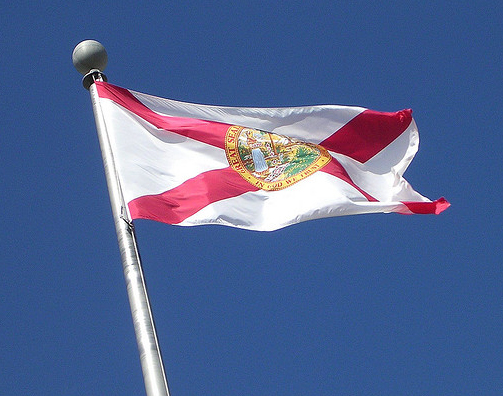
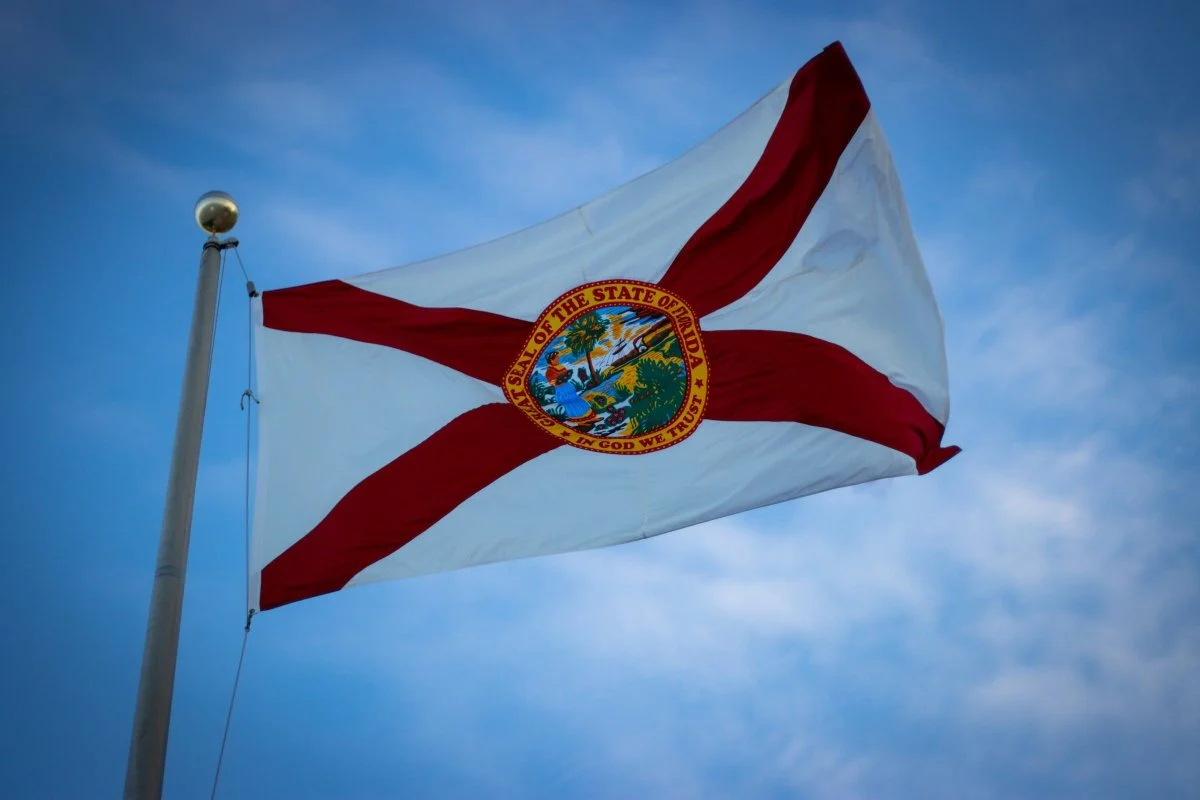
- The current Florida flag features a red saltire (cross) on a white background with the state seal in the center.
- The design has changed several times throughout history, reflecting different eras of governance.
- Understanding flag protocol helps explain why are flags at half staff today or on specific holidays.
- The state seal depicts a Seminole woman, a steamboat, a sabal palm, and the sun.
The Origin Story of the Florida Flag
To understand the florida flag as it flies today, we have to look back in time. Florida has a long and complex history involving Spain, France, Great Britain, the Confederacy, and finally, the United States. Each of these periods left a mark on the state’s identity.
Before Florida settled on its current design, it went through several unofficial and official flags. When Florida first became a state in 1845, there wasn’t an immediate rush to create a unified symbol. It wasn’t until later that the legislature decided the state needed a distinct visual identity to separate it from others in the union.
Early Designs and Changes
During the Civil War era, Florida used various flags, but the first official state flag was adopted in 1868. This design was quite simple—it was just the state seal on a white background. However, there was a practical problem with this design. When the flag hung limp on a pole without any wind, the seal would bunch up, and the flag looked like a plain white surrender flag. This was not the message the state wanted to send!
The Addition of the Red Cross
In the late 1890s, Governor Francis P. Fleming suggested adding a red cross to the banner. This red “saltire” (an X-shaped cross) was added to prevent the flag from looking like a flag of truce. This addition created the florida flag design that we recognize today. While some historians debate the exact inspiration for the cross—whether it was based on the Confederate Battle Flag or the Spanish Cross of Burgundy—it remains a defining feature of the state’s iconography.
Breaking Down the Symbols: What Does It Mean?
The florida state flag is packed with symbolism. Every element, from the colors to the tiny details in the seal, tells a part of Florida’s story. Let’s break it down so you can see exactly what is happening on that canvas.
The State Seal
At the very heart of the flag lies the Great Seal of the State of Florida. This seal has been updated over the years to be more historically accurate, but the core elements remain the same.
- The Sun: Represents Florida’s nickname, “The Sunshine State,” and symbolizes hope and glory.
- The Steamboat: Represents commerce and Florida’s economic growth during the industrial age.
- The Sabal Palm: This is the official state tree, representing the natural beauty and resources of the land.
- The Seminole Woman: A tribute to the Native American heritage of the region, specifically the Seminole tribe. She is depicted spreading flowers, which connects to the state name “Florida” (meaning “flowery” in Spanish).
The Red Saltire
The bold red X, or saltire, commands attention. As mentioned earlier, this was added to distinguish the flag from a white surrender flag. It stretches from corner to corner, creating a dynamic look that stands out against the blue sky. While it shares a shape with the flag of Alabama, the addition of the complex seal makes the florida flag unique.
Comparison: Florida vs. Other State Flags
When you look at all 50 state flags, you start to notice patterns. Many states use a simple “seal on a blue sheet” design. Florida breaks this mold by using a white background and the red cross. This makes it one of the more recognizable flags in the country.
|
State |
Background Color |
Main Feature |
distinctive Element |
|---|---|---|---|
|
Florida |
White |
Red Saltire (X) |
State Seal in Center |
|
Alabama |
White |
Red Saltire (X) |
No Seal |
|
Georgia |
Red/White Stripes |
State Coat of Arms |
“In God We Trust” |
|
South Carolina |
Blue |
Palmetto Tree |
Crescent Moon |
This table shows that while Florida shares the red saltire with Alabama, the seal provides a level of detail that sets it apart. The bright colors of the seal—greens, blues, and golds—contrast sharply with the red and white, making the florida flag easy to spot from a distance.
Understanding Flag Protocols and Half-Staff Rules
One of the most common questions people ask is, “why are the flags at half mast today?” Seeing a flag flying lower than the top of the pole is a sign of respect and mourning, but the rules can be confusing. Let’s clear up the mystery behind flag etiquette.
What is the Difference Between Half-Mast and Half-Staff?
Technically, “half-mast” usually refers to flags flown on ships or naval bases, while “half-staff” refers to flags flown on land. However, in casual conversation, people use flag half mast today and flags at half staff interchangeably. Both mean the same thing: the flag is lowered as a gesture of honor.
Who Decides When to Lower the Flag?
The President of the United States can order flags to be flown at half-staff nationwide. This usually happens upon the death of a principal figure of the US government, a state governor, or a foreign dignitary, or to mark tragic events. Additionally, the Governor of Florida has the authority to order the florida flag (and US flags within the state) to half-staff to honor local heroes, law enforcement officers, or state officials who have passed away.
Common Reasons for Half-Staff Status
If you are driving around and wondering why are flags at half staff today, it is likely due to one of these reasons:
- National Holidays: Memorial Day (until noon), Patriot Day (September 11th), and Pearl Harbor Remembrance Day.
- Tragedy: Following mass shootings, natural disasters, or terrorist attacks.
- Death of Officials: When a former President, Supreme Court Justice, or Senator passes away.
- Local Honors: For the death of a local police officer or firefighter in the line of duty.
How to Display the Florida Flag Correctly
Respecting the florida flag means displaying it correctly. There is a specific code of conduct for how flags should be treated. If you plan to fly one at your home or business, here are some golden rules to follow.
The Order of Precedence
If you are flying the Florida flag alongside the American flag, the American flag must always take the position of honor.
- On the same pole: The US flag goes at the very top, and the Florida flag flies underneath it.
- On separate poles: The US flag should be to the observer’s left (the flag’s own right) and should be hoisted first and lowered last.
- Group of flags: If flying with other state flags or city flags, the Florida flag should be at the center and highest point, unless the US flag is present.
Proper Condition
A flag should never be flown if it is tattered, faded, or torn. If your florida flag is looking worn out, it is time to retire it respectfully and get a new one. The colors should be vibrant—the red should be deep, and the white should be crisp.
Lighting
If you want to keep your flag flying 24 hours a day, it must be properly illuminated at night. If you don’t have a spotlight, you should take the flag down at sunset and raise it again at sunrise.
The Controversy and Conversations
Like many historical symbols, the florida flag has been part of modern conversations regarding history and representation. Because the red saltire is sometimes associated with the Confederate Battle Flag, some citizens have called for a redesign.
Historical Context vs. Modern Interpretation
Proponents of the current flag argue that the red saltire might represent the Cross of Burgundy, an old Spanish flag flown over Florida during the 16th century. This links the state to its Spanish colonial roots. Others feel the timing of the change in the late 1890s suggests a connection to the Confederacy.
Regardless of where you stand, it is important to know that symbols evolve. For many Floridians today, the flag simply represents their home—the beaches, the swamps, and the vibrant cities.
Florida Flag Facts You Probably Didn’t Know
Let’s take a break from the heavy history and look at some fun, fast facts about the florida flag. These make for great trivia questions!
- The Seal Update: The state seal on the flag was updated in 1985. Before that, the Seminole woman was depicted with clothes that were not historically accurate for the Seminole tribe. The correction fixed her attire to better represent reality.
- Dimensions: The official proportions of the flag are specific. The depth of the flag should be three-fourths of the length.
- Not the Only Cross: Alabama is the only other state with a red saltire, but remember, they don’t have the seal!
- Cocoa Palm vs. Sabal Palm: Early versions of the seal featured a cocoa palm, but in 1970, the legislature mandated it be changed to the Sabal palm, which is the state tree.
Why Is the Flag at Half Mast Today? A Recurring Question
We touched on this earlier, but it is such a frequent search that it deserves its own section. If you wake up and search “why is the flag at half mast today,” you are looking for current news. Since I am writing this article as a static guide, I can’t tell you the specific reason for today’s date, but I can tell you where to look.
Resources for Flag Status
If you see the flag at half mast today and want to know why, check these sources:
- The Governor’s Press Office: They usually issue a press release when an order is given.
- Local News Stations: They often have a “flag status” ticker on their websites.
- Official State Websites: Florida’s government site lists proclamations.
Understanding why are the flags at half mast connects you to current events. It is a visual reminder that something significant has happened in our state or country.
Educational Resources for Students
If you are a student writing a report on the florida state flag, you might need to dive even deeper. Here are some subtopics you can explore to make your paper stand out.
The Seminole Wars
The inclusion of the Seminole woman on the seal opens the door to discussing the Seminole Wars. This was a defining period in Florida history and provides context for the relationship between the state and the Native American tribes.
The Evolution of the Seal
You could write an entire section just on the seal. Look for images of the “pre-1985” seal and compare it to the current one. Spot the differences in the mountains (Florida doesn’t have mountains, which is why they were removed!) and the steamboat design.
Vexillology 101
Use the Florida flag as a case study for good flag design. According to the North American Vexillological Association, a good flag should be simple, use meaningful symbolism, use 2-3 basic colors, no lettering or seals, and be distinctive. Does the florida flag pass the test? (Hint: It fails the “no seals” rule!).
Frequently Asked Questions (FAQ)
Here are some quick answers to the most common questions about the Sunshine State’s banner.
Q: Is the Florida flag based on the Confederate flag?
A: This is a subject of debate. The red saltire was added in the 1890s to distinguish the flag from a white surrender flag. While some historians link it to the Confederate Battle Flag, others link it to the Spanish Cross of Burgundy, representing Florida’s Spanish heritage.
Q: What does the woman on the Florida flag represent?
A: The woman on the seal represents a Seminole Native American spreading hibiscus flowers. This honors the indigenous people of Florida and the state’s name, which means “flowery.”
Q: Why are flags at half staff today in Florida?
A: Flags at half staff today could be due to a national order from the President (like for Memorial Day or a national tragedy) or a state order from the Governor (honoring a local official or fallen hero). You should check local news for the specific reason.
Q: Can I fly the Florida flag at night?
A: Yes, but only if it is properly illuminated. If you cannot light it, you should bring it inside at sunset.
Q: Where can I buy a Florida flag?
A: You can purchase them at many hardware stores, online retailers, or government surplus stores. Make sure to buy one made of durable material like nylon or polyester if you plan to fly it outside.
Caring for Your Florida Flag
Owning a flag is a responsibility. To keep your florida flag looking its best, you need to care for it.
Cleaning
Synthetic materials like nylon can usually be washed in cold water with mild detergent. Avoid harsh chemicals that might bleach the red cross or the colorful seal. Always let the flag dry completely before folding it or flying it again to prevent mold.
Repairs
If the hem starts to fray, you can trim it and re-hem it. However, if the tear is in the design itself or the flag is very faded, etiquette dictates that it should be retired.
Retirement
When a florida flag is no longer fit for display, it should be destroyed in a dignified way, preferably by burning. many Boy Scout troops, VFW posts, and American Legion posts offer flag retirement services where they will perform the ceremony for you.
The Role of Flags in State Identity
Flags are more than just colored fabric; they are a rallying point for identity. When you see the florida flag on a license plate, a t-shirt, or flying over a school, it signifies a shared community. It connects the Panhandle to the Keys and the Gulf Coast to the Atlantic.
In a world that is increasingly digital, physical symbols like state flags ground us in our physical location. They remind us of the history of the land we stand on. For Florida, that history is a vibrant mix of cultures, conflicts, and natural beauty.
For more insights on lifestyle, technology, and interesting news updates, you can check out resources like https://siliconvalleytime.co.uk/ for a variety of engaging topics.
Conclusion
The florida flag is a bold symbol with a fascinating backstory. From its early days as a simple seal on white to the addition of the striking red saltire, it has evolved alongside the state it represents. It carries symbols of Florida’s economy, its natural environment, and its native people.
Next time you see flags at half staff, you will know there is a specific protocol and reason behind it. You understand that the design isn’t random—it is a deliberate collection of choices made by people over a century ago. Whether you love the design or think it needs an update, there is no denying that it is instantly recognizable.
We hope this guide has answered all your questions, from “why are flags at half mast today” to the history of the Seminole woman on the seal. Flags are living history, flapping in the wind, waiting for us to look up and learn.
For further reading and a purely encyclopedic view on the topic, you can visit the page on https://www.wikipedia.org/ regarding the Florida Flag.



