





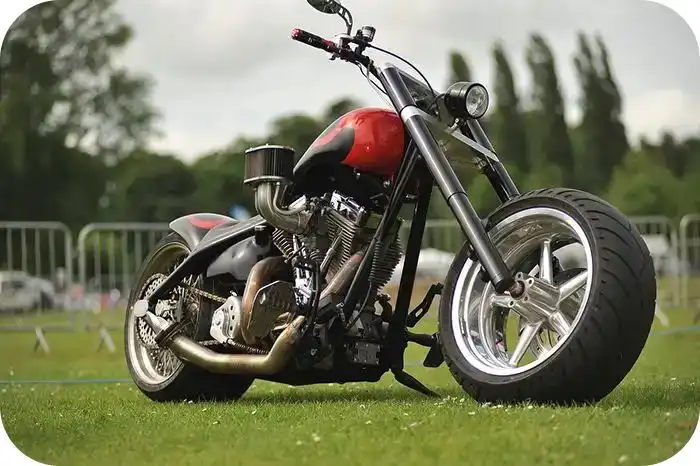

Custom motorcycle insurance is a type of coverage built for bikes that don’t fit the factory-standard mold. Maybe you’ve added a new exhaust, swapped the seat, or rebuilt the whole thing from the ground up. Standard policies often miss those extras, and that’s exactly the gap this kind of insurance fills.
Here’s the thing: if you’ve poured money into your ride, you probably want that money protected. Let’s break down how it all works in plain language.
What Custom Motorcycle Insurance Actually Means
At its core, custom motorcycle insurance protects bikes that have been modified or built with non-standard parts. Think aftermarket parts, custom paint, upgraded engines, or unique accessories.
A regular policy usually covers the bike as it rolled off the factory floor. But your modifications? Those might be left out unless you specifically add coverage for them.
So this isn’t always a separate product. Often it’s standard motorcycle coverage with extra protection layered on for your custom work.
How It Differs From Standard Motorcycle Insurance
A standard policy values your bike based on its make, model, and year. Simple enough.
Custom coverage goes further. It tries to account for the real value of your changes, whether that’s a $2,000 exhaust system or a full custom build worth far more than the original.
To be honest, the biggest difference comes down to how the bike gets valued after a loss. A basic policy might pay you the stock value and ignore your upgrades completely.
What Custom Parts and Equipment Coverage Is
This is the piece most riders care about. Custom parts and equipment coverage protects the aftermarket parts and accessories you’ve added to your motorcycle.
That can include things like:
- Custom seats and handlebars
- Chrome and trim upgrades
- Performance engine parts
- Saddlebags and luggage
- Audio systems and lighting
Each policy sets a limit on how much it’ll pay for these items. Some insurers include a small amount automatically, then let you buy more. The exact limit depends on your insurer.
Why Documentation Matters Here
If you can’t prove what you added, you might not get paid for it. More on that in a bit, but keep your receipts.
Common Policy Options to Know
Most motorcycle policies are built from a few standard pieces. Custom coverage usually sits on top of these.
Liability Coverage
This pays for injuries or damage you cause to other people or their property. It’s required in most states, though limits vary.
Collision Coverage
This handles damage to your own bike after a crash, no matter who’s at fault. Your deductible applies here.
Comprehensive Coverage
This covers non-crash stuff like theft, fire, vandalism, or storm damage. For a custom bike, this one matters a lot since theft is a real worry.
Custom Parts and Equipment Add-On
As mentioned, this extends your coverage to the modifications and accessories you’ve installed.
What Affects the Cost of Custom Motorcycle Insurance
There’s no single price tag here, and anyone who quotes you one without details is guessing. Your premium depends on a mix of factors.
What’s interesting is how much these things move the number around:
- Bike value – A pricey custom build costs more to insure.
- Modifications – More custom parts usually means more coverage and higher cost.
- Usage – Daily riding versus weekend cruising changes the risk.
- Storage – A locked garage often beats street parking.
- Rider history – Your record and experience matter.
- State – Local rules and rates differ widely.
So your actual cost depends on your insurer, your state, your bike’s value, how you use it, where you store it, your modifications, and your riding history. There’s no shortcut around that.
Agreed Value vs. Actual Cash Value
This part trips up a lot of riders, so let’s slow down.
Agreed Value
With agreed value, you and the insurer settle on the bike’s worth when you buy the policy. If the bike is a total loss, you get that agreed amount, usually minus the deductible.
This works well for custom bikes because it locks in the value of your work upfront.
Actual Cash Value
Actual cash value pays what the bike is worth at the time of loss, after depreciation. That number can be lower than you’d expect, especially for older bikes.
For a custom ride, actual cash value can leave you short. Whether agreed value is even offered depends on the insurer, so ask before you assume.
Documentation You’ll Likely Need
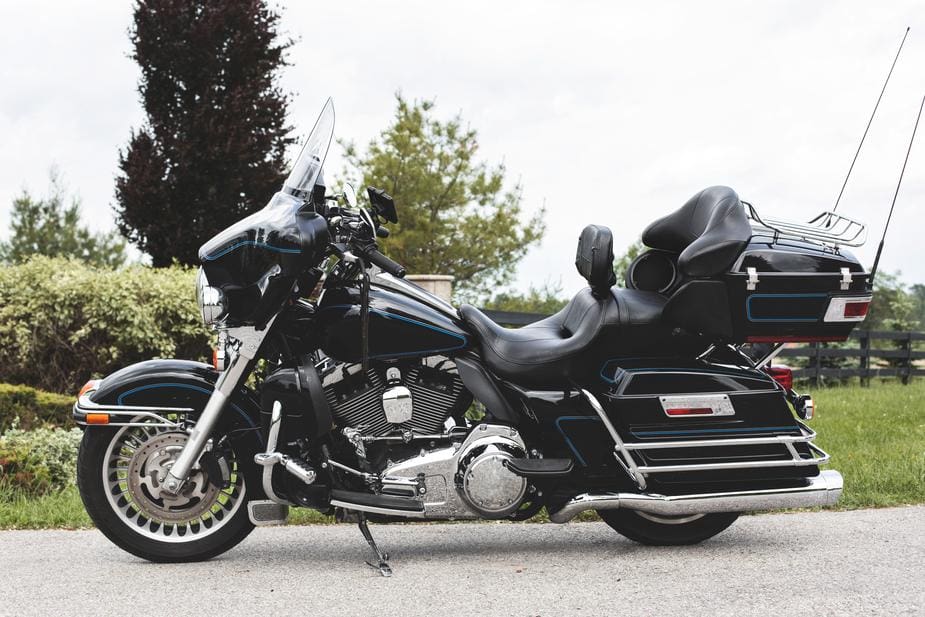
Good records make everything smoother. When adding custom parts and equipment coverage, insurers often want proof of what you’ve got.
Helpful documents include:
- Receipts for parts and labor
- Photos of the bike from multiple angles
- A list of modifications with values
- Any appraisal you’ve had done
Keep these somewhere safe, maybe a folder and a backup on your phone. You’ll thank yourself later.
Claim Tips That Actually Help
Filing a claim is stressful, but a little prep goes a long way.
Report the loss to your insurer quickly. Most policies have time limits, and waiting can cause problems.
Hand over your documentation right away. Those photos and receipts you saved? This is their moment to shine.
Be honest and detailed about what happened. Holding back details rarely helps and can slow things down.
Exclusions to Watch For
Every policy has gaps. Reading the fine print is boring, but skipping it can hurt.
Common exclusions or limits may include:
- Custom parts beyond your coverage limit
- Racing or track use
- Wear and tear or mechanical breakdown
- Damage while the bike is used for business
These vary by insurer, so don’t assume. If something matters to you, confirm it in writing before you ride off.
Ways to Save on Your Premium
Custom coverage doesn’t have to drain your wallet. A few smart moves can trim the cost.
Bundle Your Policies
Many insurers give discounts when you combine motorcycle coverage with auto or home.
Raise Your Deductible
A higher deductible usually lowers your premium. Just make sure you can cover that amount if something happens.
Take a Safety Course
Some insurers reward riders who complete approved training. It can cut your premium and make you safer too.
Store It Securely
Keeping the bike in a locked garage may lower your comprehensive cost since theft risk drops.
Whether each discount applies depends on your insurer, so it’s worth asking directly.
Who Really Needs Custom Motorcycle Insurance
Not every rider needs this. If your bike is fully stock, standard motorcycle coverage might be plenty.
But here’s the thing. If you’ve added valuable aftermarket parts, done a custom build, or invested in accessories, a basic policy could leave those uncovered.
Riders with show bikes, vintage restorations, or heavily modified machines tend to benefit most. The more unique your ride, the more this coverage makes sense.
How to Choose the Right Policy
Start by listing every modification and its rough value. This gives you a clear picture of what you need to protect.
Then compare quotes from a few insurers. Don’t just look at the premium. Check the coverage limits, the deductible, and whether agreed value is offered.
Ask plenty of questions. How are custom parts valued? What’s excluded? What happens in a total loss? A good agent will walk you through it.
Pick the policy that matches your bike, your budget, and your peace of mind. There’s no universal “best” choice, since the right fit depends on your situation.
Final Thoughts
Custom motorcycle insurance exists because standard policies often overlook the work and money riders put into their bikes. The right coverage protects your modifications, your accessories, and your investment.
Take your time, document everything, and ask questions before you sign. Your custom ride deserves protection that actually matches what you’ve built.



