




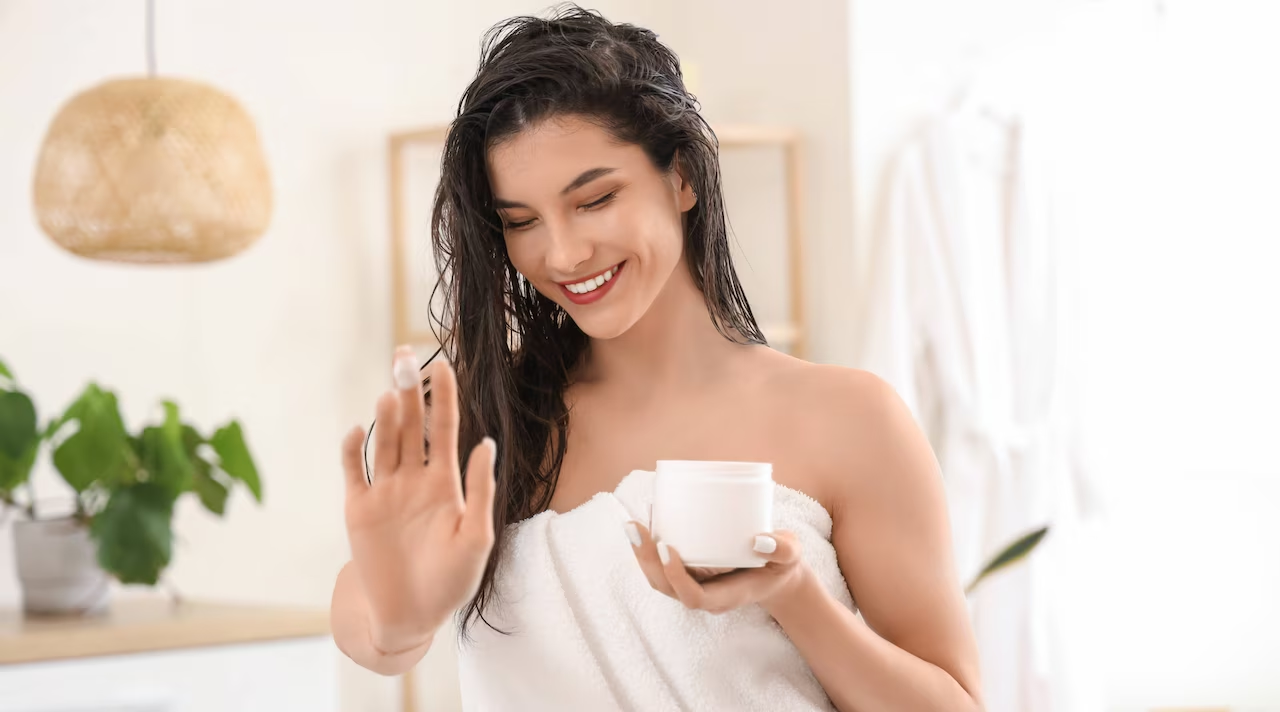

A hair mask is one of those simple treatments that can completely change how your hair looks and feels. If your strands feel dry, dull, or just tired, this thick conditioning treatment might be exactly what you’ve been missing.
Here’s the thing—most of us wash and condition our hair, then call it a day. But sometimes hair needs a little more love. That’s where a good hair mask comes in.
Let’s break it all down in plain, simple terms.
Read more: Aortic Dissection: What It Is, Why It’s So Dangerous, and What You Need to Know
What Is a Hair Mask?
A hair mask is a deep conditioning treatment that’s thicker and richer than your everyday conditioner. You leave it on your hair longer, which gives the ingredients time to soak in.
Think of it like a spa day for your strands. Regular conditioner works fast and rinses out quick. A hair mask sits on your hair for anywhere from 5 to 30 minutes, sometimes longer.
To be honest, that extra time is what makes the difference.
How Is It Different From a Regular Conditioner?
A conditioner smooths the surface of your hair after shampooing. A hair mask goes a step further with heavier, more concentrated ingredients.
You don’t use a mask every single day either. Once or twice a week is usually enough for most people.
Why Use a Hair Mask?
What’s interesting is how many problems one treatment can help with. Dry hair, frizz, breakage, dullness—a hair mask can tackle all of these.
Here are the main benefits:
- Deep moisture for dry or damaged hair
- Less frizz and easier styling
- Softer, smoother strands
- Stronger hair that breaks less
- More shine and a healthier look
Great for Damaged Hair
If you color, bleach, or heat-style your hair a lot, damage builds up over time. A hair mask helps repair some of that wear and tear.
It won’t magically undo years of damage. But used regularly, it keeps things from getting worse.
Types of Hair Masks
Not every hair mask does the same job. Picking the right one matters.
Moisturizing Masks
These are for dry, thirsty hair. They usually have oils and butters that lock in hydration.
Protein Masks
Protein masks help strengthen weak, brittle hair. They’re great after bleaching or lots of heat styling.
Just don’t overdo it. Too much protein can make hair feel stiff.
Repairing Masks
These target damage from color, heat, and daily stress. They often mix moisture and protein together.
Volumizing or Scalp Masks
Some masks focus on the scalp or add lightness to fine hair. Handy if you don’t want heavy, weighed-down strands.
How to Use a Hair Mask the Right Way
Using a hair mask is easy, but doing it properly makes a real difference.
- Wash your hair with shampoo first.
- Squeeze out the extra water.
- Apply the mask from mid-length to the ends.
- Skip the roots unless it’s a scalp mask.
- Leave it on for the time listed on the label.
- Rinse well with cool or lukewarm water.
Should You Use Heat?
A warm towel or shower cap can help the mask work better. The heat opens things up so ingredients soak in deeper.
You don’t need fancy tools. A regular towel works just fine.
Common Ingredients to Look For
The ingredients in your hair mask tell you a lot about what it’ll do.
Some popular ones include:
- Argan oil – smooths and adds shine
- Coconut oil – deep moisture
- Shea butter – softens dry hair
- Keratin – strengthens weak strands
- Aloe vera – soothes the scalp
- Honey – locks in hydration
Ingredients to Skip Sometimes
If your hair gets greasy fast, heavy oils might weigh it down. Fine hair often does better with lighter formulas.
Everyone’s hair is different, so a little trial and error is normal.
DIY Hair Mask Options
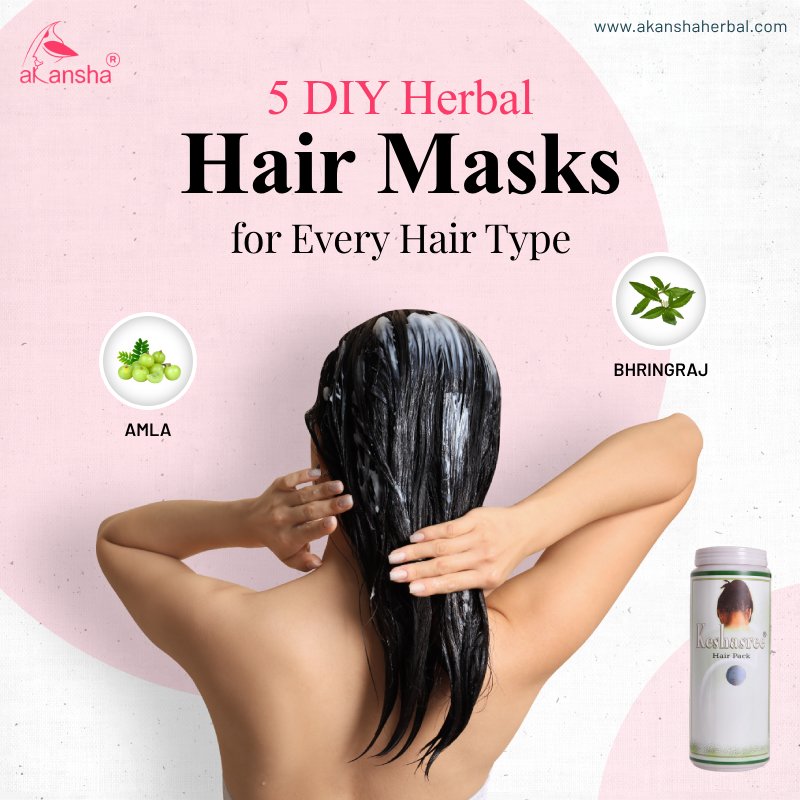
You don’t always need to buy something. A homemade hair mask can work surprisingly well.
Here are a few simple mixes to try:
- Banana and honey for soft, moisturized hair
- Egg and olive oil for a protein boost
- Yogurt and honey for extra shine
- Avocado and coconut oil for dry, damaged strands
Mash everything well so it spreads easily. Rinse thoroughly, or you’ll end up with bits stuck in your hair.
Are DIY Masks Better?
Not always. Store-bought masks are more consistent and easier to use. DIY masks are cheap and fun, but results can vary.
Both have their place, honestly.
Tips for Different Hair Types
Your hair type changes what works best.
Dry or Curly Hair
Go for rich, moisturizing masks with oils and butters. Curly hair especially loves hydration.
Oily or Fine Hair
Pick lighter masks and keep them away from the roots. Focus on the ends instead.
Color-Treated Hair
Look for masks made for colored hair. They help protect your color and add back moisture that dye strips away.
Common Hair Mask Mistakes
Even a great hair mask can flop if you use it wrong.
Watch out for these slip-ups:
- Using too much and weighing hair down
- Applying to the scalp when it’s meant for ends
- Rinsing too soon before it can work
- Using it too often and causing buildup
- Choosing the wrong type for your hair
Fixing these small things can make your hair mask far more effective.
How Often Should You Use One?
For most people, once a week is plenty. Very dry or damaged hair might need it twice.
Fine or oily hair? Every other week is often enough. Listen to your hair and adjust.
Frequently Asked Questions
1. How long should I leave a hair mask on?
Most masks work in 5 to 30 minutes. Always check the label, since some are made to stay on longer.
2. Can I use a hair mask every day?
Usually no. Daily use can cause buildup and make hair feel heavy. Once or twice a week is the sweet spot.
3. Do I use a hair mask before or after conditioner?
A hair mask usually replaces your conditioner for that wash. You don’t need both on the same day.
4. Will a hair mask fix split ends?
Not really. Masks smooth and soften ends, but they can’t glue split ends back together. Only a trim does that.
5. Can I leave a hair mask on overnight?
Some masks are made for overnight use, but most aren’t. Leaving a regular mask on too long can make hair greasy.
Final Thoughts
A hair mask is a small habit that pays off big. With regular use, you’ll notice softer, shinier, healthier hair over time.
Start simple. Pick a mask that matches your hair type, use it once a week, and see how your hair responds. If you want to learn more about how these deep conditioning treatments actually work on a scientific level, this guide on hair conditioner explains the details nicely.
Give your hair the care it deserves—it’ll thank you for it.