





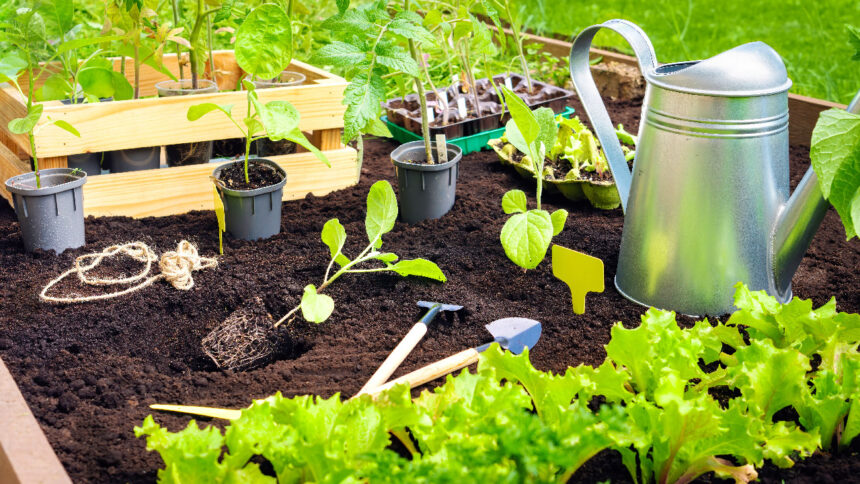

Growing your own food and flowers feels rewarding in ways few hobbies can match. There’s something special about stepping outside, snipping fresh herbs, or watching a tomato ripen on the vine. If you’ve ever wondered how to start a garden but felt unsure where to begin, you’re in the right place. This guide walks you through every step, from picking a sunny spot to harvesting your first crop. You don’t need a huge yard, expensive tools, or years of experience. You just need a little patience, some basic know-how, and the willingness to get your hands dirty. Let’s dig in together and turn that empty patch of dirt, balcony, or windowsill into a thriving green space you’ll be proud of.
Read more: Special Housing Area: A Complete Guide to Faster, More Affordable Housing
Key Takeaways
Before we get into the details, here’s a quick snapshot of what you’ll learn:
- Location matters most. Sunlight, water access, and soil quality shape your success more than anything else.
- Start small. A tiny, well-tended garden beats a large, neglected one every time.
- Healthy soil equals healthy plants. Test it, feed it, and your plants will thank you.
- Choose plants you’ll actually use. Grow vegetables and flowers you enjoy.
- Consistency beats perfection. Regular watering, weeding, and watching keep your garden alive.
- Mistakes are normal. Every gardener kills a plant or two. That’s how you learn.
Now, let’s explore each step in depth so you feel confident from day one.
Why Starting a Garden Is Worth It
Gardening gives back far more than you put in. Beyond the fresh produce and pretty blooms, it offers real benefits for your body and mind. Working in the soil reduces stress, gets you moving, and connects you with nature. You’ll save money on groceries, eat healthier food, and know exactly what went into growing it. No mystery chemicals, no long shipping trips. Many people also find that gardening becomes a calming routine, a quiet escape from busy screens and crowded schedules.
There’s a sense of pride that comes with growing something from a tiny seed. Kids love it, neighbors admire it, and you get bragging rights at the dinner table. Plus, gardens help the environment by supporting bees, butterflies, and other pollinators. When you understand how to start a garden the right way, you set yourself up for a hobby that pays you back season after season.
Choosing the Right Garden Location
Picking the perfect spot is the single most important decision you’ll make. Walk around your yard at different times of day and notice where the sun falls. Most vegetables and flowers need at least six hours of direct sunlight to grow well. A spot that gets blasted by afternoon sun is ideal for tomatoes and peppers, while shadier corners suit leafy greens like lettuce and spinach.
Think about convenience too. A garden close to your back door gets visited more often, which means you’ll spot problems early and harvest at the right time. You’ll also want easy access to water, since dragging a heavy hose across the yard gets old fast. Avoid low spots where water pools after rain, as soggy roots lead to disease. Finally, watch out for big trees whose roots compete for nutrients and whose branches block precious light. The right location makes everything else easier.
Evaluating Your Space
Look honestly at how much room you have to work with. A sprawling backyard, a small side strip, a balcony, or even a sunny windowsill can all become gardens. Measure your available space and sketch a rough plan on paper. This helps you picture where beds, paths, and containers will go. Don’t feel pressured to fill every inch. Leaving room to walk and kneel makes tending your plants much easier.
Consider what’s already there. Is the ground flat or sloped? Is the soil rocky, sandy, or rich and dark? Are there fences or walls that could support climbing plants like beans and cucumbers? Take note of nearby structures that cast shadows during certain hours. By understanding your space first, you avoid the frustration of planting something in the wrong place. A little planning now saves a lot of digging and replanting later on.
Understanding Sunlight Needs
Sunlight powers plant growth through photosynthesis, so knowing your light conditions is essential. Gardeners group plants into three rough categories based on how much sun they crave. Full sun plants need six or more hours of direct light daily. Partial sun plants do fine with three to six hours. Shade-loving plants thrive with less than three hours of direct sun.
Spend a full day observing your garden site. Check the light in early morning, midday, and late afternoon. Morning sun is gentle, while afternoon sun is intense. Many fruiting vegetables, such as tomatoes, squash, and peppers, demand strong afternoon light to produce well. Leafy greens and herbs like parsley or mint tolerate cooler, shadier conditions. If your yard is mostly shaded, don’t give up. You can still grow plenty of crops, just choose varieties that match your light. Matching plants to their preferred sunlight is one of the smartest moves a beginner can make.
Testing and Preparing Your Soil
Soil is the foundation of your entire garden, so treat it well. Before planting anything, find out what you’re working with. You can buy an inexpensive soil test kit at a garden store or send a sample to your local cooperative extension office for detailed results. These tests reveal your soil’s pH level and nutrient content, telling you whether it leans acidic or alkaline and what it might be missing.
Most vegetables prefer a slightly acidic to neutral pH between 6.0 and 7.0. If your soil falls outside that range, you can adjust it. Add lime to raise pH or sulfur to lower it. Beyond pH, healthy soil needs good structure. Crumbly, dark, sweet-smelling soil signals life and fertility. Clay-heavy soil drains poorly, while sandy soil drains too fast. You can improve almost any soil by mixing in compost, aged manure, or other organic matter. Rich soil grows strong plants that resist pests and disease naturally.
Improving Soil Quality
Once you know what your soil needs, it’s time to build it up. Organic matter is your best friend here. Spread a few inches of compost over your garden bed and work it into the top six to eight inches of soil. Compost feeds beneficial microbes, improves drainage, and holds moisture during dry spells. You can make your own compost from kitchen scraps and yard waste, or buy bags from a garden center.
Other helpful amendments include aged manure, leaf mold, and worm castings. Avoid fresh manure, since it can burn plants and carry harmful bacteria. If your soil is compacted, loosen it with a garden fork before adding amendments. Over time, repeated additions of organic matter transform poor dirt into living, productive soil. Healthy soil is an ongoing project, not a one-time fix. The effort you put into your soil now rewards you with healthier, more abundant harvests for years to come.
Raised Beds vs. In-Ground Gardens
One big decision is whether to plant directly in the ground or build raised beds. Both work well, and your choice depends on your space, budget, and soil. In-ground gardens cost less and require fewer materials. You simply prepare the existing soil and plant. They suit large areas and gardeners who already have decent dirt to work with. However, they can be harder on your back and more prone to weeds.
Raised beds sit above the ground in wooden or metal frames filled with quality soil. They drain better, warm up faster in spring, and give you full control over soil quality. They’re easier to reach, which helps anyone with knee or back trouble. The downside is the upfront cost of lumber and soil. Here’s a quick comparison to help you decide:
|
Feature |
Raised Beds |
In-Ground Gardens |
|---|---|---|
|
Upfront cost |
Higher |
Lower |
|
Soil control |
Excellent |
Limited |
|
Drainage |
Very good |
Varies |
|
Weed pressure |
Lower |
Higher |
|
Ease on body |
Easier |
Harder |
|
Best for |
Small spaces, poor soil |
Large areas, good soil |
Container Gardening for Small Spaces
No yard? No problem. Container gardening lets you grow food and flowers on patios, balconies, porches, and windowsills. Almost any plant can thrive in a pot as long as it has enough room, drainage, and sunlight. This is a perfect option for renters and city dwellers. You can move containers to chase the sun or shelter them from harsh weather, giving you flexibility a fixed bed can’t offer.
Choose pots with drainage holes to prevent waterlogged roots. Larger containers hold more soil and moisture, so plants need less frequent watering. Fill them with a quality potting mix rather than garden soil, which compacts too tightly in pots. Herbs, lettuce, peppers, cherry tomatoes, and strawberries all do beautifully in containers. Keep in mind that potted plants dry out faster than ground gardens, so check moisture daily during hot weather. With a few well-placed pots, even the smallest space can become a productive, beautiful garden.
Picking the Right Plants for Beginners
Choosing what to grow is the fun part, but beginners often make the mistake of planting too many difficult crops. Start with plants that are forgiving and quick to reward you. Easy beginner vegetables include lettuce, radishes, green beans, zucchini, and cherry tomatoes. These grow fast, tolerate small mistakes, and produce generously. For flowers, marigolds, sunflowers, and zinnias bloom easily and attract helpful pollinators.
Think about what you and your family actually like to eat. There’s no point growing eggplant if nobody enjoys it. Also consider your climate and growing season. Check the seed packet for guidance on planting times and spacing. Here are some great picks for first-time gardeners:
- Lettuce and spinach – fast-growing, cool-season greens
- Radishes – ready to harvest in under a month
- Green beans – productive and low-maintenance
- Cherry tomatoes – sweet and abundant
- Zucchini – grows so well you’ll have plenty to share
- Herbs – basil, mint, and parsley for fresh flavor
Starting with these confidence-builders helps you enjoy early wins.
Understanding Your Growing Zone
Where you live shapes what you can grow and when. The USDA Plant Hardiness Zone Map divides the United States into regions based on average winter temperatures. Knowing your zone helps you pick plants that survive your climate and time your planting correctly. You can find your zone in seconds by entering your zip code on the USDA website.
Each seed packet and plant tag lists the zones where that variety thrives. Pay attention to these labels, especially for perennials that must survive winter. Annuals, which live for just one season, are more forgiving. Your zone also tells you your average last spring frost and first fall frost dates. These dates frame your growing season and guide when to plant tender crops. A tomato planted too early can be killed by a late frost, while one planted too late may not ripen before cold weather. Understanding your zone removes a lot of guesswork.
Essential Garden Tools You’ll Need
You don’t need a shed full of equipment to start, but a few quality tools make the work easier and more enjoyable. Invest in sturdy basics rather than cheap items that break quickly. A good set of tools will last years with proper care. After each use, clean off soil and store them dry to prevent rust.
Here are the must-have tools for beginning gardeners:
- Hand trowel – for digging small holes and transplanting
- Garden gloves – to protect your hands from blisters and thorns
- Watering can or hose – for keeping plants hydrated
- Pruning shears – for trimming and harvesting
- Garden fork or spade – for turning and loosening soil
- Rake – for leveling beds and clearing debris
- Bucket or wheelbarrow – for hauling soil, compost, and weeds
As your garden grows, you can add specialty tools like a hoe, dibber, or soil knife. But these basics cover almost everything a beginner needs. Buy what you’ll use, and skip the gimmicky gadgets. Quality tools turn tough chores into simple tasks and make your time outside far more pleasant.
Watering Your Garden the Right Way
Water keeps your plants alive, but more isn’t always better. Overwatering causes just as many problems as underwatering, leading to root rot and fungal disease. The goal is deep, consistent moisture rather than frequent light sprinkles. Deep watering encourages roots to grow downward, making plants stronger and more drought-resistant. Aim to water early in the morning so leaves dry before evening, which reduces disease.
Check soil moisture by sticking your finger an inch or two into the dirt. If it feels dry at that depth, it’s time to water. Most gardens need about an inch of water per week, including rainfall. Containers dry out faster and may need daily watering in summer. Water at the base of plants rather than overhead to keep foliage dry and direct moisture to the roots. Drip irrigation and soaker hoses save water and time by delivering it slowly and directly where it’s needed. Learning to read your plants’ needs comes with practice.
Mulching to Protect Your Plants
Mulch is one of the easiest ways to make your garden healthier and lower-maintenance. It’s simply a protective layer spread over the soil surface around your plants. Mulch locks in moisture, blocks weeds, regulates soil temperature, and slowly enriches the soil as it breaks down. A two to three inch layer makes a noticeable difference in how often you need to water and weed.
You can choose from many mulch materials. Organic options like straw, shredded leaves, grass clippings, and bark chips improve the soil as they decompose. Inorganic options like landscape fabric and gravel last longer but don’t feed the soil. Keep mulch a couple inches away from plant stems to prevent rot and discourage pests. Refresh organic mulch each season as it breaks down. Once you start mulching, you’ll wonder how you ever gardened without it. It’s a small step that saves hours of work and keeps your plants comfortable through hot summers and chilly nights.
Fertilizing for Healthy Growth
Even great soil eventually needs a nutrient boost, especially when growing hungry vegetables. Fertilizer supplies the three main nutrients plants crave: nitrogen for leaves, phosphorus for roots and flowers, and potassium for overall health. These appear on fertilizer labels as the N-P-K ratio. A balanced fertilizer like 10-10-10 works well for general use, while specialized blends target specific needs.
You can choose organic or synthetic fertilizers. Organic options like compost, fish emulsion, and bone meal release nutrients slowly and improve soil life. Synthetic fertilizers act faster but don’t build long-term soil health. Follow package directions carefully, because too much fertilizer burns roots and pollutes waterways. More is definitely not better here. Feed your plants during their active growing season, and ease off as growth slows in fall. Leafy greens appreciate nitrogen, while flowering and fruiting plants benefit from phosphorus and potassium. With the right feeding schedule, your garden will reward you with lush, productive growth.
Dealing With Pests and Diseases
Sooner or later, bugs and diseases will visit your garden. The good news is that a healthy garden resists most problems naturally. Start by inspecting your plants regularly so you catch trouble early. Look under leaves, where many pests hide, and watch for chewed foliage, spots, or wilting. Catching issues early makes them far easier to control before they spread.
Try gentle, natural solutions before reaching for harsh chemicals. Here are some effective beginner-friendly methods:
- Hand-pick larger pests like caterpillars and beetles
- Spray aphids off with a strong blast of water
- Welcome beneficial insects like ladybugs and lacewings
- Use row covers to keep pests away from vulnerable seedlings
- Apply insecticidal soap or neem oil for stubborn infestations
- Rotate crops each year to disrupt pest cycles
Good garden hygiene prevents many diseases. Remove sick plants promptly, avoid overhead watering, and give plants enough space for air to circulate. A diverse garden with many plant types attracts helpful predators and stays more balanced. With attention and gentle care, you can keep pests in check without harming your harvest.
Seasonal Timing and Planting Schedules
Timing is everything in gardening. Plant too early and frost may kill your seedlings; plant too late and crops won’t finish before cold returns. Your last spring frost date and first fall frost date define your growing window. Cool-season crops like peas, lettuce, and broccoli tolerate light frost and grow best in spring and fall. Warm-season crops like tomatoes, peppers, and squash need warm soil and frost-free conditions.
Many gardeners start seeds indoors weeks before the last frost, then transplant seedlings outside once it’s safe. Others sow seeds directly into the ground after the danger of frost passes. Read your seed packets for specific timing based on your region. You can also stagger plantings every couple of weeks, a trick called succession planting, to enjoy continuous harvests instead of one big rush. As the season winds down, plant cool-season crops again for a fall harvest. Working with the rhythm of the seasons helps you get the most from your garden all year long.
Budgeting for Your First Garden
Gardening can be as cheap or as fancy as you want. You don’t need to spend a fortune to grow great food. Smart beginners start small and add as they go. Seeds cost just a few dollars per packet and produce dozens of plants. Buying transplants costs more but saves time. Compost, tools, and containers add to your startup expenses, but many of these are one-time purchases that last for years.
You can save money in clever ways. Start seeds at home instead of buying plants, make your own compost from kitchen scraps, and reuse containers like buckets and bins. Check community garden swaps, where neighbors share seeds, cuttings, and extra seedlings for free. Borrow tools before buying. Build raised beds from reclaimed lumber. Over a single season, a modest vegetable garden often produces far more food value than it costs to set up. As you gain experience, you’ll learn where it pays to invest and where you can comfortably cut corners.
Ongoing Garden Maintenance
A garden isn’t a plant-and-forget project. Regular upkeep keeps it healthy and productive. The good news is that small, consistent efforts beat occasional marathon sessions. Spend a few minutes each day walking through your garden. This habit lets you spot weeds, pests, and watering needs before they become big problems. Weeding regularly prevents unwanted plants from stealing water and nutrients from your crops.
Beyond weeding and watering, maintenance includes pruning, staking tall plants, deadheading spent flowers, and harvesting ripe produce. Removing dead or yellowing leaves keeps plants tidy and disease-free. Refresh mulch as it breaks down, and add compost between plantings to keep soil fertile. Stay observant and your garden will tell you what it needs. Tasks shift with the seasons, busier in spring and summer, calmer in fall and winter. Once you settle into a routine, maintenance becomes a relaxing ritual rather than a chore. A little daily attention keeps your garden thriving with minimal stress.
Harvesting Your Garden’s Bounty
The moment you’ve been waiting for arrives when your crops are ready to pick. Harvesting at the right time makes a huge difference in flavor and yield. Picking often actually encourages plants to produce more. Vegetables like beans, zucchini, and cucumbers slow down if you let them grow too big, so harvest them young and tender. Tomatoes taste best when fully ripe on the vine, while leafy greens can be picked leaf by leaf for a continuous supply.
Use clean, sharp tools or your fingers to avoid damaging the plant. Harvest in the cool morning hours when produce is crisp and full of moisture. Here are some helpful harvesting tips:
- Pick beans and peas while pods are firm and bright
- Harvest herbs before they flower for the best flavor
- Cut lettuce in the morning when leaves are crisp
- Twist or cut fruit gently to avoid breaking stems
- Check daily during peak season so nothing goes to waste
Sharing your harvest with friends and neighbors makes the reward even sweeter.
Common Mistakes to Avoid
Every gardener makes mistakes, and that’s perfectly okay. Knowing the common pitfalls ahead of time helps you sidestep frustration. The biggest beginner mistake is starting too big. An ambitious garden quickly becomes overwhelming, leading to neglect and disappointment. Begin with a manageable space you can tend easily, then expand as your skills grow. A small, healthy garden brings far more joy than a large, weedy one.
Other frequent errors include overwatering, planting in too much shade, ignoring soil quality, and spacing plants too closely. Crowded plants compete for resources and spread disease faster. Many beginners also forget to read seed packets, which contain valuable planting instructions. Planting at the wrong time is another common slip-up that frost or heat punishes harshly. Finally, don’t get discouraged when something dies. Even experienced gardeners lose plants every year. Treat each setback as a lesson rather than a failure. With patience and observation, you’ll improve season after season and grow more confident in your green thumb.
Frequently Asked Questions
How much space do I need to start a garden?
You need far less than you might think. A small raised bed, a few containers, or even a sunny windowsill is enough to grow herbs, greens, and small vegetables. Quality matters more than quantity. When learning how to start a garden, begin with a space you can comfortably manage, then expand as you gain experience and confidence.
What is the easiest vegetable to grow for beginners?
Lettuce, radishes, and green beans top the list for beginners. They grow quickly, forgive small mistakes, and produce generous results. Radishes can be ready in under a month, giving you a fast, satisfying first harvest. Cherry tomatoes and zucchini are also wonderfully productive and beginner-friendly choices that build confidence early.
How often should I water my garden?
Most gardens need about an inch of water per week, including rainfall. Rather than watering a little every day, water deeply two or three times a week to encourage strong roots. Check the soil with your finger before watering. Containers dry out faster and may need daily attention during hot summer weather.
When is the best time to start a garden?
Spring is the most popular time, after your area’s last frost date passes. However, you can plant cool-season crops in early spring and again in fall. Knowing how to start a garden at the right time depends on your local climate and growing zone. Check your frost dates and seed packets for guidance.
Do I need to test my soil before planting?
Testing your soil isn’t required, but it’s highly recommended. A simple test reveals your soil’s pH and nutrient levels, helping you make smart amendments. Healthy soil grows healthy plants, so this small step pays off. You can buy an affordable test kit or contact your local cooperative extension office for detailed results.
Conclusion
Starting a garden is one of the most rewarding things you can do, and you don’t need to be an expert to succeed. By choosing the right location, understanding your sunlight, building healthy soil, and picking beginner-friendly plants, you set yourself up for a thriving green space. Remember to start small, water wisely, mulch generously, and watch your plants closely. Mistakes will happen, and that’s part of the journey. Every season teaches you something new and makes you a better gardener.
The most important step is simply to begin. Grab a trowel, plant a few seeds, and enjoy the process of watching life unfold in your own backyard or balcony. Now that you know how to start a garden from the ground up, you have everything you need to grow fresh food, beautiful flowers, and a hobby that brings lasting joy. If you’d like to explore even more techniques and the rich history behind this timeless pursuit, you can learn more about gardening and let your green journey grow from there.



