







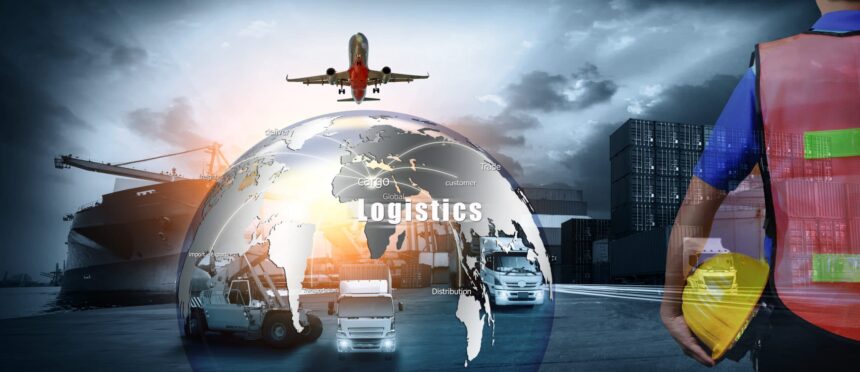

Logistics is the backbone of modern commerce, often operating behind the scenes but essential to everything we do. From getting your favorite products delivered to your doorstep to ensuring that critical medical supplies reach hospitals on time, logistics plays a vital role in our daily lives. With globalization and e-commerce booming, understanding logistics has never been more important.
Whether you’re a business owner looking to streamline operations or simply curious about how goods move from point A to point B, this article will break down what logistics really entails. We’ll explore various types of logistics, highlight key industry players, and dive into how technology is reshaping this dynamic field. Ready to uncover the intricate world of logistics? Let’s get started!
What is Logistics?
Logistics refers to the meticulous coordination of complex operations involved in transporting goods and services. It encompasses everything from the planning stage to actual delivery.
At its core, logistics ensures that products are available at the right place and time. This process involves various activities like transportation, warehousing, inventory management, and order fulfillment.
Effective logistics is not just about moving items; it’s about optimizing these processes to reduce costs while enhancing efficiency. Companies often invest significant resources into refining their logistics strategies.
The scope of logistics extends beyond physical goods too. It includes managing information flows necessary for tracking shipments and ensuring transparency throughout the supply chain.
In today’s fast-paced world, mastering logistics can provide a competitive edge, making it crucial for businesses aiming to thrive in diverse markets.
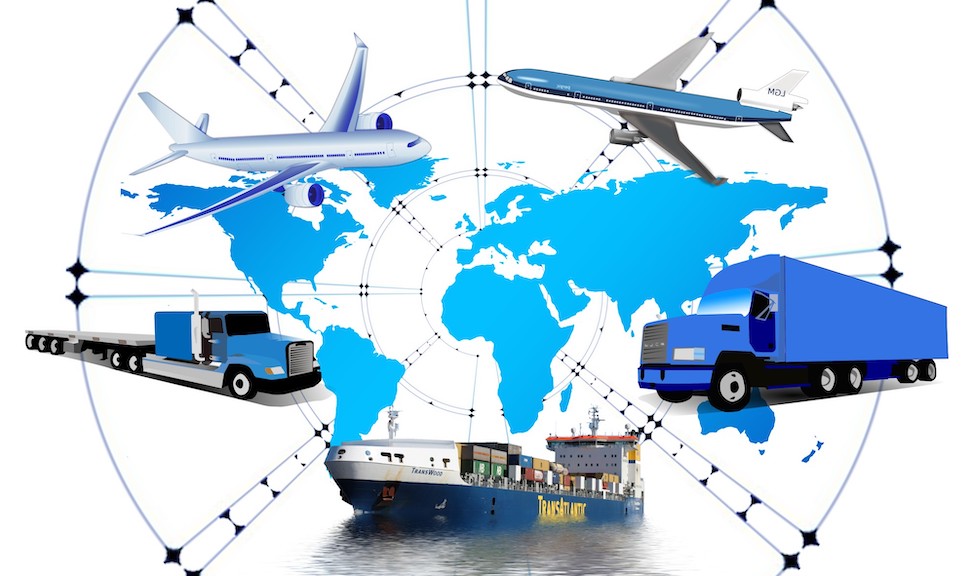
Different Types of Logistics
Logistics encompasses a variety of processes, each tailored to meet specific needs. One prominent type is **Inbound Logistics**, which focuses on the procurement and transportation of raw materials to manufacturing facilities.
**Outbound Logistics**, on the other hand, deals with distributing finished products from warehouses to customers. This aspect ensures that goods reach their destinations efficiently and promptly.
Then there’s **Third-Party Logistics (3PL)**. Companies often outsource these services for warehousing and transportation management. Utilizing 3PL can significantly reduce operational costs while enhancing service quality.
Another important category is **Reverse Logistics**. This process manages product returns, recycling, or disposal effectively. It’s crucial in maintaining sustainability within supply chains.
Lastly, **Global Logistics** involves coordinating international shipments across different borders and regulations. Mastering this requires expertise in customs clearance and global trade compliance, making it both complex yet essential for businesses expanding globally.
The Importance of Logistics in Business
Logistics is the backbone of any successful business. Efficient logistics management ensures that products are delivered on time and in perfect condition. This reliability builds trust with customers.
Cost-effectiveness is another crucial aspect. Streamlined logistics can significantly reduce operational costs. Businesses save money by optimizing their supply chains, which directly impacts profitability.
Moreover, effective logistics allows companies to scale operations seamlessly. As demand fluctuates, businesses can adjust their inventory and distribution strategies accordingly without losing momentum.
In today’s global market, staying competitive means having a robust logistics strategy in place. Companies that prioritize logistics can respond swiftly to market changes and customer needs.
Great logistics not only enhances service delivery but also fosters long-term relationships with clients and partners alike.
Key Players in the Logistics Industry
The logistics industry is a complex network that relies on various key players. These include freight forwarders, carriers, and third-party logistics (3PL) providers. Each plays a vital role in ensuring goods move efficiently from producers to consumers.
Freight forwarders act as intermediaries between shippers and carriers. They manage the transportation of goods, handling documentation and customs clearance along the way. This expertise helps streamline processes for businesses that may not have in-house capabilities.
Carriers are responsible for physically transporting products. They come in many forms: trucking companies, shipping lines, airlines, and rail services all contribute to moving cargo across different terrains.
Third-party logistics providers offer comprehensive services by integrating transportation, warehousing, and distribution solutions under one roof. They help businesses optimize supply chain management while reducing costs through shared resources.
Each player contributes unique strengths that enhance overall efficiency within the logistics ecosystem.
Advancements in Technology Impacting Logistics
Technology is revolutionizing logistics in profound ways. Automation and robotics streamline warehousing processes, reducing human error and increasing efficiency.
The rise of artificial intelligence enables smarter inventory management. Predictive analytics help businesses anticipate demand, ensuring optimal supply levels at all times.
Moreover, blockchain technology enhances transparency across the supply chain. It secures transactions and simplifies tracking shipments, building trust among stakeholders.
Drones are making waves too. They offer quicker delivery options for last-mile logistics, reaching remote locations with ease.
Real-time data tracking through IoT devices connects every aspect of the logistics process. This connectivity allows companies to respond promptly to issues as they arise.
Mobile applications enhance communication between drivers and dispatchers, improving route planning and operational efficiency. As these technologies evolve, their impact on logistics will only grow more significant.
Challenges and Solutions in the Logistics Industry
The logistics industry faces a myriad of challenges that can disrupt operations. One major issue is supply chain visibility. Without real-time tracking, businesses struggle to manage inventory efficiently.
Labor shortages also create hurdles. The demand for skilled workers in transportation and warehousing often exceeds the available workforce. This gap can lead to delays and increased costs.
Additionally, fluctuating fuel prices impact shipping expenses significantly. Companies must adapt quickly to maintain profitability while keeping customer satisfaction high.
To tackle these obstacles, many are turning to technology solutions like AI-driven analytics and automation tools. These innovations enhance forecasting accuracy and optimize routing.
Building strong relationships with suppliers fosters greater communication too. Collaboration can mitigate risks associated with delays or disruptions in processes.
Investing in training programs helps address labor shortages by equipping staff with essential skills needed for today’s evolving landscape.
Future Trends and Predictions for Logistics
The logistics landscape is evolving rapidly. Automation stands at the forefront, with robotics streamlining warehouse operations and reducing human error. Expect to see more autonomous vehicles on the roads, enhancing delivery efficiency.
Sustainability will also shape future logistics trends. Companies are investing in eco-friendly practices, from electric fleets to sustainable packaging solutions. Consumers increasingly favor brands that prioritize environmental responsibility.
Digitalization plays a critical role too. The integration of Artificial Intelligence (AI) and machine learning will improve demand forecasting and inventory management significantly. Real-time data analytics will enable smarter decision-making across the supply chain.
Increased connectivity through IoT devices promises greater visibility throughout shipping processes. This transparency can lead to improved customer satisfaction as clients stay informed about their shipments’ status.
As e-commerce continues its explosive growth, logistics providers must adapt quickly to shifting consumer expectations for fast and reliable service. Embracing innovation will be key for staying competitive in this dynamic industry.
Conclusion
Logistics plays a crucial role in the smooth operation of businesses across various sectors. It encompasses a wide range of processes, from transportation and warehousing to inventory management and distribution. Understanding its significance can lead to improved efficiency and customer satisfaction.
The logistics landscape is diverse, with different types tailored to meet specific needs. Whether it’s inbound or outbound logistics, freight forwarding or last-mile delivery, each type serves a unique purpose that helps streamline operations.
As competition intensifies in the business world, effective logistics strategies become indispensable. They not only reduce costs but also enhance service quality—two factors vital for maintaining an edge over competitors.
Key players in the logistics industry include carriers, third-party logistics providers (3PLs), freight brokers, and technology partners. Each contributes significantly to creating an efficient supply chain network that benefits all stakeholders involved.
Technology continues to reshape how logistics functions today. Innovations such as automation, artificial intelligence (AI), and real-time tracking are transforming traditional practices into more agile systems that respond quickly to changing demands.
However, challenges abound within this sector. Issues like rising fuel costs, labor shortages, and regulatory compliance pose ongoing hurdles for companies striving for efficiency. Identifying solutions such as optimizing routes or investing in workforce training can help navigate these difficulties effectively.
Looking ahead, several trends are poised to redefine the future of logistics. Sustainability initiatives will gain momentum as companies seek greener alternatives while consumer expectations around speed continue evolving rapidly.
Understanding these elements equips businesses with essential insights necessary for thriving within an increasingly complex logistical environment.



