





Feeling overwhelmed by clutter? Does a messy desk or a chaotic closet make it hard to think straight? You’re not alone. Many people struggle to keep their homes, workspaces, and digital lives in order. The good news is that you don’t need to spend a fortune or dedicate weeks to a massive overhaul. With a few clever organization hacks, you can reclaim your space, reduce stress, and boost your productivity. This guide will walk you through simple, effective strategies to organize every corner of your life, from your kitchen pantry to your digital files. Get ready to discover how a little bit of order can make a huge difference.
Key Takeaways
|
Takeaway |
Description |
|---|---|
|
Start Small |
Avoid burnout by tackling one small area at a time. The “one-drawer” method can build momentum for bigger projects. |
|
Use Vertical Space |
Maximize storage by thinking upwards. Shelves, hanging organizers, and stackable bins are your best friends. |
|
Create Zones |
Designate specific areas for specific activities or items. This applies to your kitchen, office, and even your digital desktop. |
|
Declutter Regularly |
Make decluttering a habit, not a once-a-year event. Use the “Four-Box Method” to make quick decisions. |
|
Label Everything |
Clear labels save you time and prevent you from undoing all your hard work. This is one of the simplest yet most powerful organization hacks. |
Understanding the Power of an Organized Environment
Before we dive into the specific tips and tricks, it’s important to understand why organization matters. It’s about more than just having a nice-looking home. An organized environment directly impacts your mental well-being and efficiency. When your physical space is cluttered, your mind can feel cluttered too. This can lead to increased stress, difficulty concentrating, and wasted time searching for lost items. By implementing a few key organization hacks, you create a system that works for you, freeing up mental energy for more important tasks. Think of it as designing a life with less friction. A well-organized space supports your goals, whether that’s working more effectively from home or simply relaxing in a peaceful environment.
The Psychology Behind Clutter and Calm
Our brains are wired to prefer order. Studies have shown that a chaotic environment can trigger the release of the stress hormone cortisol. This constant, low-level stress can impact your mood and health over time. Conversely, an organized space promotes a sense of control and calm. When you know where everything is, you eliminate a source of daily frustration. This mental clarity allows you to be more present and focused. The process of decluttering itself can be therapeutic, providing a tangible sense of accomplishment. Each item you sort and each shelf you arrange is a step toward a more serene state of mind.
Getting Started: The Foundation of Organization
The thought of organizing an entire house can be paralyzing. The secret is to not even try. Instead, start with a single, manageable task. These foundational organization hacks are designed to build momentum and make the process feel less like a chore and more like a series of small wins.
The One-Drawer Challenge
Forget about tackling the whole garage this weekend. Your mission, should you choose to accept it, is to organize just one drawer. This could be your junk drawer, a desk drawer, or a drawer in your nightstand. The goal is to complete the task from start to finish in a short amount of time.
- Empty It Out: Take everything out of the drawer and place it on a clear surface.
- Clean It: Wipe the inside of the drawer clean. A fresh start feels good.
- Sort and Purge: Go through each item. Be ruthless. If it’s trash, broken, or you haven’t used it in a year, get rid of it.
- Categorize: Group similar items together. Pens with pens, batteries with batteries.
- Contain and Replace: Use small drawer dividers or containers to keep your categories separate. Put everything back neatly.
Completing this small task will give you a boost of confidence to tackle the next one. It’s a simple yet effective way to begin your journey.
The Four-Box Method for Decluttering
When you’re ready to tackle a larger area like a closet or a room, the Four-Box Method is one of the most essential organization hacks. Get four boxes and label them:
- Keep: For items you love, use, and need. These will go back into the space, but in an organized way.
- Donate/Sell: For items in good condition that you no longer need. Someone else could benefit from them.
- Relocate: For items that don’t belong in the room you’re organizing. Instead of getting sidetracked putting them away now, just place them in this box to deal with later.
- Trash/Recycle: For items that are broken, expired, or no longer usable.
This method forces you to make a decision about every single item, preventing the classic “I’ll deal with this later” pile from forming.
Organization Hacks for the Kitchen
The kitchen is often called the heart of the home, but it can quickly become the epicenter of chaos. From crowded countertops to overflowing pantries, a disorganized kitchen makes cooking stressful. These kitchen-specific organization hacks will streamline your space and make meal prep a breeze.
Creating Kitchen Zones
Think of your kitchen like a professional chef would. Everything should have a designated “zone” based on its function. This simple concept minimizes the steps you need to take while cooking.
- Prep Zone: This area, usually a clear stretch of countertop, should have your cutting boards, knives, and mixing bowls nearby. Keep your trash and compost bins close for easy disposal of scraps.
- Cooking Zone: This is the area around your stove and oven. Keep pots, pans, cooking utensils, and common spices within arm’s reach.
- Cleaning Zone: Centered around the sink, this zone should house your soap, sponges, dish rack, and dishwasher.
- Consumables Zone: Your pantry and refrigerator. Group like items together—all canned goods in one area, all baking supplies in another.
- Non-Consumables Zone: This is for your dishes, glasses, and silverware. Store them near the dishwasher to make unloading easier.
Pantry and Cabinet Magic
Your pantry and cabinets hold the key to a tidy kitchen. The goal is to see everything you have at a glance to prevent buying duplicates and letting food expire.
Use Clear, Stackable Containers
Decanting dry goods like pasta, rice, flour, and cereal into clear, airtight containers is a game-changer. It not only looks beautiful and uniform but also keeps food fresh and allows you to easily see when you’re running low. Use stackable containers to maximize vertical space. Don’t forget to label them with the contents and expiration date.
Maximize Vertical Space
Most cabinets and pantries have a lot of wasted vertical space. You can fix this with a few simple tools:
- Shelf Risers: These essentially add a second level to your shelves, allowing you to stack plates, bowls, or cans without creating a wobbly, unstable tower.
- Under-Shelf Baskets: These baskets slide onto a shelf and hang below, creating extra storage for things like bread, packets, or kitchen linens.
- Pot Lid Organizers: Use a file organizer or a dedicated lid rack mounted on the inside of a cabinet door to keep pot lids from becoming a jumbled mess.
Conquering Bedroom and Closet Clutter
Your bedroom should be a sanctuary for rest and relaxation, not a storage unit for laundry and random items. These organization hacks will help you create a peaceful retreat and a closet where you can actually find what you want to wear.
The Closet Purge: A Seasonal Ritual
A stuffed closet makes getting dressed in the morning a frustrating experience. Make it a habit to purge your closet at least twice a year, typically when the seasons change. As you pack away your winter sweaters or summer shorts, take the opportunity to evaluate each piece. Ask yourself:
- Have I worn this in the last year?
- Does it fit me and make me feel good?
- Is it still in good condition?
If the answer is no to any of these, it’s time to donate or sell it. This regular maintenance prevents your wardrobe from becoming unmanageable.
Smart Storage Solutions for Your Wardrobe
Once you’ve decluttered, it’s time to organize what’s left. The right tools can double your closet space.
- Slim Velvet Hangers: These are a must. They take up less space than bulky plastic or wooden hangers, and their non-slip surface keeps clothes from falling onto the floor. Using uniform hangers instantly makes your closet look more cohesive.
- The “Reverse Hanger” Trick: After your seasonal purge, hang all your clothes with the hangers facing backward. As you wear an item, turn the hanger the correct way. After six months, you can see at a glance which clothes you haven’t touched. This makes the next decluttering session much easier.
- Use a Shoe Organizer for More Than Shoes: Over-the-door shoe organizers with clear pockets are incredibly versatile. Use them to store scarves, belts, socks, cleaning supplies, or craft items. It’s a fantastic way to use overlooked vertical space.
Taming the Home Office and Paperwork
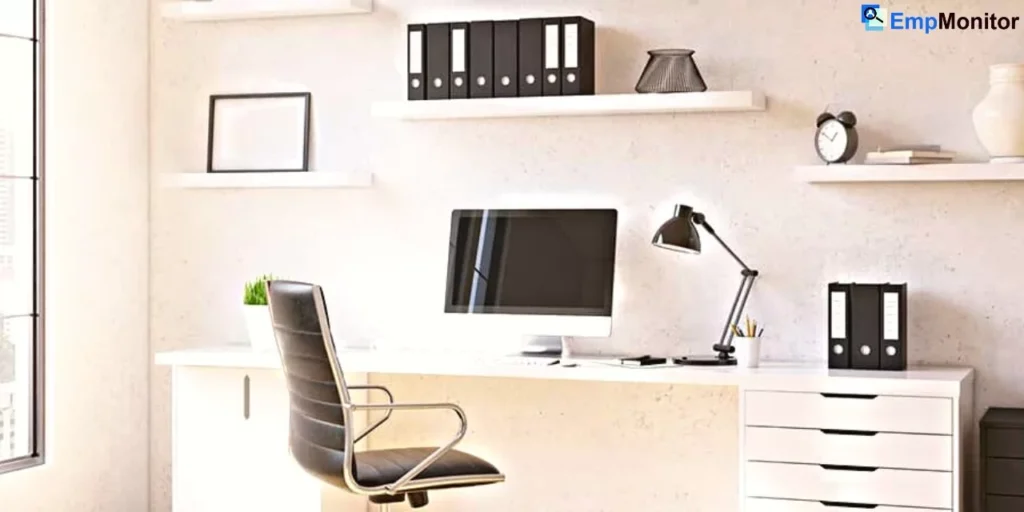
In our increasingly digital world, paper still finds a way to pile up. Mail, bills, kids’ school papers, and work documents can quickly take over your desk. These organization hacks for your office space will help you manage paper and digital clutter.
Implementing a “One-Touch” Paper System
The key to conquering paper clutter is to handle each piece of paper only once. When mail or a document comes into your home, immediately decide what to do with it. Create a simple filing system with three trays:
- To-Do: For bills that need to be paid or forms that need to be filled out. Address these items once a week.
- To-File: For important documents you need to keep, like tax records, medical receipts, or contracts.
- To-Scan: For items you want to keep a digital copy of but don’t need the physical paper, like kids’ artwork or sentimental letters.
Everything else—junk mail, old flyers, envelopes—should go directly into the recycling bin. Do not let it even touch your countertop.
Digital Organization Hacks
Our digital spaces can get just as cluttered as our physical ones. A desktop full of random files or an inbox with thousands of unread emails can be just as stressful.
Organize Your Desktop
Treat your computer desktop like your physical desk. Keep it as clear as possible. Create a simple folder system for your documents. A good starting point is to have folders for major life categories: Work, Personal, Finances, Photos. Inside these, create more specific sub-folders. Use a clear and consistent naming convention for your files, such as YYYY-MM-DD_ProjectName_Version. This makes searching for files much easier. For more insights on digital productivity, you can find helpful articles on platforms like siliconvalleytime.co.uk.
Master Your Email Inbox
Aim for “Inbox Zero,” a state where your email inbox is empty. This doesn’t mean you’ve deleted all your emails. It means you’ve processed them. Use the “4 D’s” method:
- Delete: If it’s spam or you don’t need it, delete it immediately.
- Do: If it takes less than two minutes to reply, do it right away.
- Delegate: If it’s something someone else should handle, forward it.
- Defer: If it will take longer to address, move it to a “To-Do” folder or schedule a time on your calendar to handle it.
Maintaining Your Newly Organized Space
You’ve done the hard work of decluttering and organizing. How do you keep it that way? The final and most crucial set of organization hacks is all about maintenance.
The “One In, One Out” Rule
This is a simple but powerful rule to prevent clutter from creeping back in. For every new item you bring into your home—whether it’s a shirt, a book, or a new kitchen gadget—an old one must go out. This forces you to be more mindful about your purchases and keeps your inventory of stuff at a manageable level. It’s especially effective for categories like clothing, books, and kids’ toys.
The 15-Minute Nightly Tidy-Up
You don’t need to do a deep clean every day. Just spend 15 minutes every evening doing a quick reset of your main living areas. Set a timer and quickly put things back where they belong. Wipe down the kitchen counters, fluff the couch cushions, put away the remote controls, and clear any stray clutter from the coffee table. This small habit prevents small messes from turning into big ones and ensures you wake up to a tidy home each morning. It’s one of the most sustainable organization hacks for long-term success.
Conclusion
Organizing your life isn’t a one-time project; it’s an ongoing practice. By incorporating these organization hacks into your daily and weekly routines, you can create a more peaceful, functional, and enjoyable living space. Start small with the One-Drawer Challenge, use the Four-Box Method to declutter with purpose, and create zones in your most-used rooms. Maximize your storage, label everything, and be ruthless about what you allow to take up your valuable space. Most importantly, build maintenance habits like the 15-minute nightly tidy-up to keep your home in a state of calm. An organized life gives you more time, energy, and mental space to focus on what truly matters.
Frequently Asked Questions (FAQ)
Q1: I feel too overwhelmed to start organizing. What is the absolute first thing I should do?
A: Start with the smallest possible task to build momentum. Don’t think about the whole house. Choose one tiny area, like your car’s glove compartment, a single kitchen drawer, or the top of your nightstand. Set a timer for 15 minutes and see how much you can accomplish. This small victory will make the next step feel much more achievable.
Q2: How do I get my family or roommates on board with these organization hacks?
A: Lead by example and make it easy for them. Clearly label bins and shelves so everyone knows where things go. Create designated “landing zones” for each person’s belongings near the entrance. Have a family meeting to explain the new systems, focusing on the benefits for everyone (e.g., “It will be so much easier to find your soccer uniform!”). Don’t expect perfection, but celebrate the effort.
Q3: Is it ever okay to keep sentimental items, even if I don’t use them?
A: Absolutely! The goal of organizing is not to get rid of everything you own, but to make space for the things you truly love. For sentimental items, create a designated “memory box” or a specific shelf. The key is to contain them. If you have too many to fit in one box, consider digitizing some of them by taking photos before letting the physical item go.
Q4: I live in a small apartment. How can I find more storage space?
A: In small spaces, you have to think vertically and creatively. Use the back of doors for hanging organizers. Get bed risers to create storage space under your bed. Invest in furniture that does double duty, like an ottoman with hidden storage or a coffee table that lifts to reveal a compartment. Wall-mounted shelves are one of the best organization hacks for small homes because they use wall space without taking up any floor space.
Q5: How often should I be decluttering?
A: Major decluttering sessions are great once or twice a year. However, the most effective approach is to make decluttering a constant, low-effort habit. Keep a donation box in your closet or garage and add to it whenever you come across something you no longer need. Practice the “One In, One Out” rule to maintain equilibrium. This way, you’re always gently pruning your belongings instead of letting it build up into a huge project.