







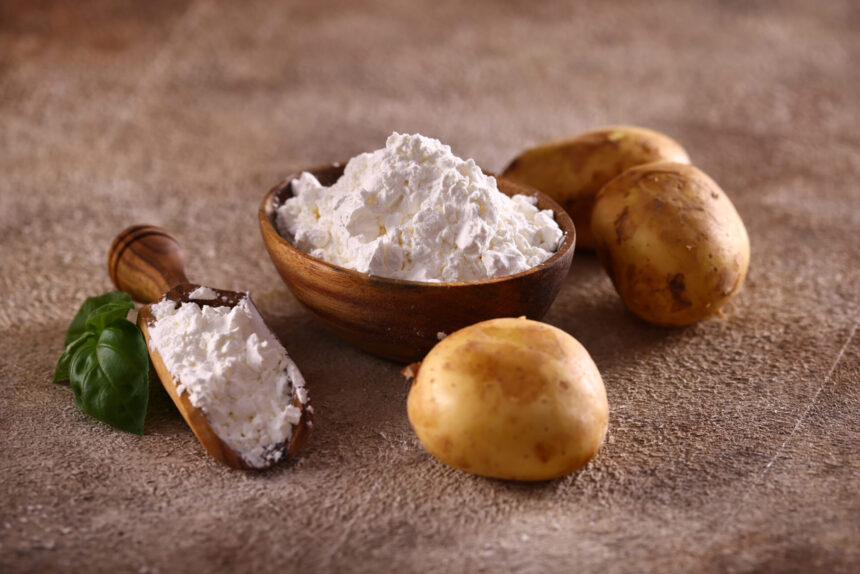

Have you ever wondered about the secret ingredient that gives your favorite soups that perfect thickness or makes gluten-free baked goods light and airy? Chances are, you’ve encountered potato starch, a surprisingly versatile and powerful powder hiding in plain sight. This humble ingredient, derived from the common potato, is a game-changer in kitchens and industries around the world. It’s more than just a thickener; it’s a key to unlocking new textures and culinary possibilities. Whether you’re a seasoned chef, a home baker navigating the world of gluten-free recipes, or just curious about what’s in your pantry, understanding this ingredient is essential. This guide will walk you through everything you need to know about potato starch, from its creation to its many uses and benefits.
Key Takeaways
- What it is: Potato starch is a fine, white powder extracted from the starchy part of potatoes. It is naturally gluten-free and has a neutral taste.
- Primary Use: It is most famous for its ability to thicken sauces, soups, and gravies at high temperatures, creating a clear, glossy finish.
- Gluten-Free Baking: It is a vital component in many gluten-free flour blends, providing structure and a tender crumb to baked goods.
- Health and Nutrition: While primarily a carbohydrate, it contains resistant starch, which can support gut health and blood sugar management.
- Distinction from Potato Flour: It is not the same as potato flour. Potato starch is pure starch, while potato flour is made from whole, dehydrated potatoes and has a distinct potato flavor.
What Exactly Is Potato Starch?
At its core, potato starch is a fine, powdery substance extracted from the root tubers of potatoes. Think of it as the pure carbohydrate energy that the potato plant stores. The process involves crushing potatoes to release their starch granules, which are then washed, separated from the pulp and fibers, and dried into the bright white powder you find in stores. Unlike potato flour, which is essentially finely ground dehydrated potatoes and carries a potato flavor, potato starch is flavorless and odorless. This neutral profile makes it an incredibly versatile ingredient, as it can thicken or add texture to a dish without altering its taste. Its unique properties, such as its ability to gelatinize at high temperatures and create a clear, glossy finish, set it apart from other common starches like cornstarch or arrowroot.
The Science Behind the Starch
The magic of potato starch lies in its molecular structure. It is composed of two main types of glucose polymers: amylose and amylopectin. Potato starch has particularly large starch granules and a high amylopectin content compared to many other starches. When you add it to a hot liquid, these granules absorb water and swell up dramatically in a process called gelatinization. This swelling is what thickens your sauce or soup.
What makes it special is its high swelling power and the fact that it gelatinizes at a relatively lower temperature than cornstarch. However, it’s also more delicate. If you boil a sauce containing potato starch for too long, the granules can rupture and release the water they absorbed, causing the sauce to thin out again. This is why it’s often added at the very end of the cooking process, just to thicken the liquid right before serving. This scientific behavior is key to using it effectively in your kitchen.
How Is Potato Starch Made?
The transformation from a whole potato to a fine, silky powder is a fascinating process rooted in simple physics. It all begins with a selection of high-starch potato varieties. These aren’t typically the same potatoes you’d bake or mash for dinner; they are specifically grown for their high starch content to make the extraction process more efficient.
The industrial production of potato starch follows several key steps:
- Washing and Peeling: The potatoes arrive at the processing plant and are thoroughly washed to remove dirt, rocks, and any other field debris. Peeling is sometimes done, but often the potatoes are processed with their skins on.
- Grating: The clean potatoes are fed into large industrial graters or raspers. This powerful machinery tears the potatoes apart, rupturing the plant cell walls to release the starch granules trapped inside. The result is a pulpy mash.
- Starch Extraction: This potato pulp is then washed with water over a series of screens and sieves. The water carries the tiny, heavy starch granules with it, separating them from the larger, fibrous pulp (the potato’s cell wall material).
- Purification and Refining: The resulting “starch milk”—a suspension of starch in water—is further purified. It’s often put through hydrocyclones, which use centrifugal force to separate the lighter impurities from the heavier starch granules. This step is repeated multiple times to achieve a high level of purity.
- Dewatering and Drying: The purified starch milk is dewatered, often using a vacuum filter, to remove most of the water. The remaining damp starch cake is then sent into a flash dryer. Hot air instantly evaporates the rest of the moisture, leaving behind the final product: a fine, dry, and brilliantly white potato starch powder.
This entire process is designed to be highly efficient, isolating the pure starch while separating it from the fiber, protein, and minerals found in the whole potato.
Potato Starch vs. Potato Flour: A Critical Distinction
It’s one of the most common points of confusion in the pantry: are potato starch and potato flour the same thing? The answer is a definitive no, and using one in place of the other can lead to culinary disasters. Understanding their differences is crucial for any cook or baker.
The fundamental difference lies in how they are produced and what part of the potato they contain.
- Potato Starch: As detailed above, this is pure starch washed out of crushed raw potatoes. It is a light, fine, white powder that feels similar to cornstarch. It has no potato flavor. Its main function is to act as a thickener or to provide a light, tender texture in baking.
- Potato Flour: This is made from whole potatoes that have been cooked, dehydrated, and then ground into a fine flour. Because it contains the entire potato (minus the water), it has a heavier, denser texture and a distinct, earthy potato flavor and aroma. It also contains the protein, fiber, and other nutrients of the potato.
Here’s a simple table to highlight their key differences:
|
Feature |
Potato Starch |
Potato Flour |
|---|---|---|
|
Source |
Pure starch from raw potatoes |
Whole, cooked, dried potatoes |
|
Texture |
Fine, light, silky powder |
Heavier, denser flour |
|
Color |
Bright white |
Off-white, yellowish, or beige |
|
Flavor |
Neutral, tasteless |
Pronounced potato flavor |
|
Primary Use |
Thickening, gluten-free baking (for lightness) |
Baking (for density/flavor), binder |
|
Liquid Absorption |
Absorbs a lot of liquid, gelatinizes |
Absorbs liquid, but becomes gummy |
Substituting one for the other is not recommended. If a recipe calls for potato starch to thicken a sauce, using potato flour would make it thick but also unpleasantly gummy and would impart a strong potato taste. Conversely, using potato starch in a recipe that needs the structure and flavor of potato flour would result in a gooey, strange-textured final product. Always use the specific ingredient your recipe calls for.
The Role of Potato Starch in Gluten-Free Baking
For anyone following a gluten-free diet, potato starch is a familiar and indispensable friend. Gluten, the protein found in wheat, barley, and rye, is what gives traditional baked goods their structure, elasticity, and chewiness. When you remove it, you need a blend of other ingredients to replicate those qualities, and potato starch plays a star role in this effort. It helps mimic some of the best attributes of gluten without any of the negative effects for those with celiac disease or gluten sensitivity.
In gluten-free flour blends, potato starch is rarely used alone. It is typically combined with other gluten-free flours and starches, such as brown rice flour, white rice flour, tapioca starch, and xanthan gum. In this mix, it serves several important functions:
- Provides a Light, Fluffy Texture: Heavier gluten-free flours, like buckwheat or sorghum, can result in dense, heavy baked goods. Adding light-as-air potato starch helps to lighten the crumb, creating a softer, fluffier texture that more closely resembles that of wheat-based products.
- Adds Moisture: It is excellent at binding with and retaining water. This helps keep gluten-free cakes, muffins, and breads moist for longer, preventing them from becoming dry and crumbly, which is a common complaint with gluten-free baking.
- Improves Structure: While it doesn’t provide the elasticity of gluten, it does contribute to the overall structure of the baked good as it gelatinizes during the baking process.
When you see potato starch on the ingredient list of your favorite gluten-free cookies or bread, you know it’s there working hard to create that perfect tender bite.
Using Potato Starch as a Thickening Agent
One of the most popular and traditional uses for potato starch is as a thickener for liquids. It is highly prized by chefs for its unique properties that set it apart from other thickening agents like cornstarch or flour. When you need to turn a thin broth into a rich gravy or a watery fruit juice into a glossy pie filling, this ingredient is an excellent choice. Its ability to work its magic quickly and cleanly makes it a go-to in both home kitchens and professional settings.
To use potato starch as a thickener, you should first create a “slurry.” This is a simple mixture of the starch with a small amount of cold water. Never add the dry powder directly to a hot liquid, as it will clump up instantly, creating lumps that are nearly impossible to whisk out.
Here’s the correct method:
- For every cup of liquid you want to thicken, start with about 1 tablespoon of potato starch.
- In a separate small bowl, mix the starch with 2-3 tablespoons of cold water until it forms a smooth, milky paste with no lumps.
- While whisking the hot liquid continuously, slowly pour the slurry into the pot.
- Continue to stir and bring the liquid to a gentle simmer. You will see it thicken and become glossy almost immediately.
- Once it has thickened, remove it from the heat. Avoid boiling it for an extended period, as this can break down the starch and cause the liquid to become thin again.
This method is perfect for finishing pan sauces, gravies, soups, stews, and fruit fillings for pies and tarts. The result is a beautifully clear, glossy sauce without any of the chalky taste that flour-based thickeners can sometimes leave behind.
Health and Nutritional Profile
When we talk about an ingredient like potato starch, which is a refined carbohydrate, it’s easy to assume it has little to no nutritional value. While it’s true that it is not a significant source of vitamins, minerals, or protein, it has a unique characteristic that gives it an interesting health profile: resistant starch. Not all of the starch you consume is digested in the same way. Some starches are resistant to digestion in the small intestine and travel to the large intestine, where they function similarly to soluble fiber.
This resistant starch in potato starch acts as a prebiotic, which means it serves as food for the beneficial bacteria in your gut. A healthy gut microbiome is linked to numerous health benefits, including improved digestion, better immune function, and even enhanced mental health. By feeding these “good” bacteria, resistant starch helps them thrive and produce short-chain fatty acids (SCFAs) like butyrate. Butyrate is the primary fuel source for the cells lining your colon and has been shown to have anti-inflammatory effects.
Furthermore, because resistant starch is not broken down into glucose in the small intestine, it does not cause a sharp spike in blood sugar levels. This makes potato starch, when consumed in moderation, a potentially better choice for individuals managing their blood sugar compared to more easily digestible carbohydrates.
Nutritional Breakdown
Here is a general look at the nutritional content of potato starch.
|
Nutrient |
Amount per 1 tbsp (approx. 10g) |
|---|---|
|
Calories |
35-40 |
|
Carbohydrates |
9-10 g |
|
Fiber |
~8 g (as resistant starch) |
|
Protein |
< 0.1 g |
|
Fat |
0 g |
|
Sodium |
0 mg |
It’s important to remember that these benefits are associated with uncooked potato starch (e.g., adding a spoonful to a smoothie) or starch that has been cooked and then cooled. The cooking process alters the structure and reduces the amount of resistant starch.
Beyond the Kitchen: Other Uses for Potato Starch
While its fame is largely built on its culinary applications, the utility of potato starch extends far beyond the kitchen. Its unique physical and chemical properties make it a valuable component in a wide range of industrial and commercial products. Industries are constantly looking for sustainable and effective ingredients, and this plant-based polymer fits the bill perfectly. Even fields as diverse as technology and textiles find uses for it. For example, some innovative companies are exploring bioplastics made from starch, as highlighted in forward-thinking discussions on platforms like https://siliconvalleytime.co.uk/.
Here are some of the surprising non-food uses:
- Pharmaceuticals: In the world of medicine, it is often used as a binder and disintegrant in pills and tablets. As a binder, it helps hold the ingredients of the tablet together. As a disintegrant, it helps the tablet swell and break apart quickly when it comes in contact with water in the stomach, allowing the active medication to be released and absorbed by the body.
- Paper and Adhesives: The paper industry uses potato starch as a sizing agent to strengthen the paper and improve its surface for printing. It is also a key ingredient in many water-based adhesives, including wallpaper paste and the glue used on envelopes and postage stamps. Its natural stickiness, once activated with water, makes it an effective and non-toxic adhesive.
- Textiles: In textile manufacturing, starches are used in a process called “sizing” or “dressing.” Threads are coated with a starch solution to strengthen them and reduce friction during the weaving process, preventing breakage.
- Bioplastics: As the world seeks sustainable alternatives to petroleum-based plastics, plant starches are at the forefront of research. Potato starch can be used to create biodegradable plastics for items like disposable cutlery, food containers, and packaging materials.
These applications show just how versatile and important this simple potato extract truly is, playing a quiet but significant role in our daily lives.
How to Store Potato Starch for Maximum Freshness
Proper storage is key to ensuring your potato starch remains effective and ready to use whenever you need it. Like other dry pantry staples, its greatest enemies are moisture, heat, and air. Exposing it to these elements can cause it to clump, lose its thickening power, or even spoil. Fortunately, storing it correctly is simple and requires no special equipment. By following a few basic guidelines, you can keep your potato starch fresh for a very long time—often well beyond any printed expiration date.
The most important rule is to keep it in a cool, dark, and dry place. A pantry or a kitchen cabinet away from the stove or oven is an ideal location. Heat can degrade the starch molecules, reducing their ability to gelatinize and thicken properly. Sunlight can also have a similar effect, so a dark cupboard is preferable to a clear container on an open shelf.
Moisture is perhaps the biggest threat. If moisture gets into the container, it will cause the fine powder to form hard, unusable clumps. To prevent this, always store potato starch in a well-sealed, airtight container. The original paper bag or cardboard box it often comes in is acceptable for short-term storage, but for long-term freshness, transferring it to a glass jar with a tight-fitting lid, a plastic container with a secure seal, or a resealable plastic bag is a much better option. This will also protect it from pests and from absorbing any strong odors from nearby foods, which could compromise its neutral flavor profile.
Frequently Asked Questions (FAQ)
Q1: Is potato starch the same as cornstarch? Can I substitute them for each other?
A: No, they are not the same, although they are similar. Both are starches used for thickening, but potato starch creates a clearer, glossier sauce and thickens at a lower temperature. You can often substitute them in a 1:1 ratio for thickening, but be aware of the differences. Potato starch is also more delicate and can thin out if overcooked, whereas cornstarch holds up better to heat.
Q2: Is potato starch healthy?
A: It is primarily a carbohydrate and contains resistant starch, which is beneficial for gut health as it acts as a prebiotic. This resistant starch does not spike blood sugar. However, it is a refined product and should be consumed in moderation as part of a balanced diet.
Q3: Can I make potato starch at home?
A: Yes, you can! The process involves grating raw potatoes, mixing them with water, straining the pulp, and letting the starch settle at the bottom of the water. After pouring off the water, you are left with a starch paste that needs to be dried completely. It is a labor-intensive process, but it is possible.
Q4: Does potato starch have a taste?
A: No, one of its best qualities is that it is completely neutral in flavor and odorless. This allows it to be used in a wide variety of dishes, from savory sauces to sweet fillings, without altering the taste of the final product.
Q5: Is all potato starch gluten-free?
A: Yes, pure potato starch is naturally 100% gluten-free, as it is derived solely from potatoes. However, it is always wise to check the packaging for a “certified gluten-free” label to ensure there is no risk of cross-contamination from being processed in a facility that also handles wheat products.
Conclusion
From a simple potato to a powerhouse powder, potato starch has proven itself to be an invaluable ingredient in both cooking and industry. Its ability to thicken sauces to a perfect, glossy consistency, provide a light and tender crumb to gluten-free baked goods, and serve as a neutral-tasting base makes it a true pantry all-star. Beyond its culinary uses, its role in creating everything from pharmaceuticals to biodegradable plastics highlights its incredible versatility.
Understanding the difference between potato starch and potato flour, knowing how to use it properly as a thickener, and appreciating its unique nutritional benefits can elevate your cooking and expand your culinary toolkit. So the next time you reach for that unassuming white powder, you’ll know you’re holding a key to better textures, healthier recipes, and a world of creative possibilities. It is a testament to how even the most common foods can hold surprising and powerful secrets.



