







Key Takeaways
- Historic Center: Quito boasts the best-preserved colonial center in Latin America, a UNESCO World Heritage site.
- High Altitude: Sitting at 9,350 feet, it is the second-highest capital city in the world.
- Middle of the World: You can stand with one foot in each hemisphere just outside the city limits.
- Cultural Hub: The city is packed with museums, vibrant markets, and rich indigenous traditions.
- Nature Gateway: It serves as the perfect jumping-off point for trips to the Amazon, the Andes mountains, and the cloud forests.
Imagine standing high in the Andes mountains, surrounded by active volcanoes, ancient history, and vibrant culture. This isn’t a fantasy movie set; this is Quito, the stunning Ecuador capital. For travelers looking for a mix of adventure, history, and incredible food, this city is a dream come true. Whether you are planning a trip to South America or just curious about this unique place, understanding what makes Quito tick is fascinating.
This city isn’t just a political center; it is the beating heart of the country. From its cobblestone streets in the Old Town to the modern skyline of the north, the Ecuador capital offers a little bit of everything. In this guide, we will explore everything you need to know about visiting, understanding, and falling in love with this high-altitude metropolis.
Understanding the Ecuador Capital: An Introduction
When people think of Ecuador, they often picture the Galapagos Islands or the Amazon Rainforest. However, the Ecuador capital, Quito (officially San Francisco de Quito), deserves the spotlight all on its own. It is a city of contrasts. You have centuries-old churches sitting just a few miles away from trendy craft beer breweries and modern shopping malls.
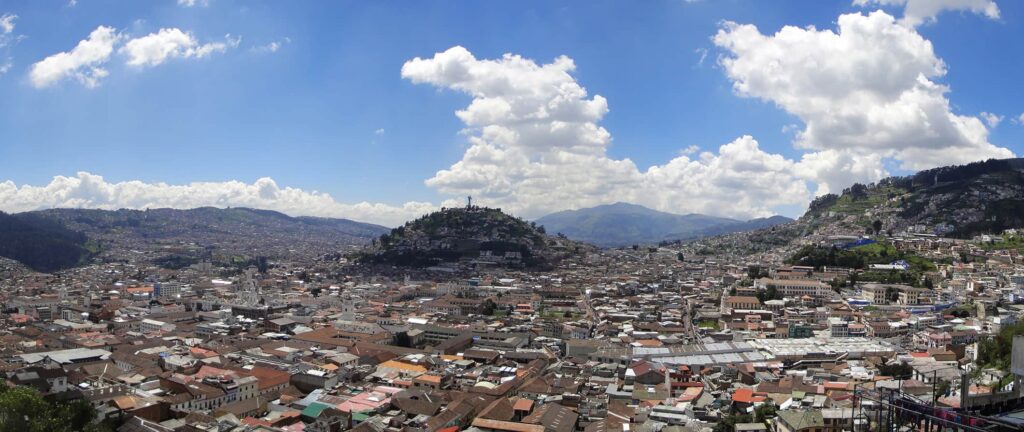
One of the first things visitors notice is the altitude. Quito sits at an impressive 2,850 meters (9,350 feet) above sea level. This makes it the second-highest capital city in the world, right after La Paz, Bolivia. The air here is thin, but the views are absolutely breathtaking. The city stretches along a valley floor, flanked by massive volcanic peaks like Pichincha, which provides a dramatic backdrop no matter where you look.
Why Quito is Unique
What truly sets the Ecuador capital apart is its location. It is incredibly close to the equator—in fact, the city limits come within a kilometer of the zero-latitude line. This unique geographical position means that the weather is relatively spring-like all year round. You won’t find harsh winters or scorching summers here. Instead, you get warm days and cool nights, pretty much every month of the year.
The blend of Spanish colonial history and indigenous heritage is palpable. The city was founded in 1534 on the ruins of an Inca city, and that layered history is visible everywhere. Indigenous markets thrive alongside Spanish plazas, creating a cultural tapestry that is rich and complex.
The Historic Center: A UNESCO Treasure
If you visit the Ecuador capital, you have to start in the “Centro Histórico.” In 1978, UNESCO declared Quito as one of the first World Heritage Cultural Sites. Why? Because it has the best-preserved, least altered historic center in all of Latin America. Walking through these streets feels like stepping back in time to the 16th century.
The architecture here is stunning. You will see whitewashed buildings with terracotta roofs, ornate balconies, and massive wooden doors. The preservation efforts have been massive, keeping modern skyscrapers away from this district to maintain its charm. It is a dense area, packed with plazas, museums, and government buildings that tell the story of the nation’s turbulent and triumphant past.
Must-Visit Churches and Plazas
The religious architecture in the Ecuador capital is legendary. The most famous is undoubtedly the Iglesia de la Compañía de Jesús. Often called the most beautiful church in the country, its interior is covered in gold leaf. It took 160 years to build, and when you step inside, the sheer amount of gold is blinding and beautiful.
Another icon is the Basílica del Voto Nacional. This massive neo-Gothic church looks like it belongs in Europe, but with a twist. Instead of gargoyles shaped like mythical beasts, the spires are decorated with animals native to Ecuador, like turtles, armadillos, and iguanas. You can even climb the towers for one of the best views of the city.
Plaza Grande: The Heart of Politics
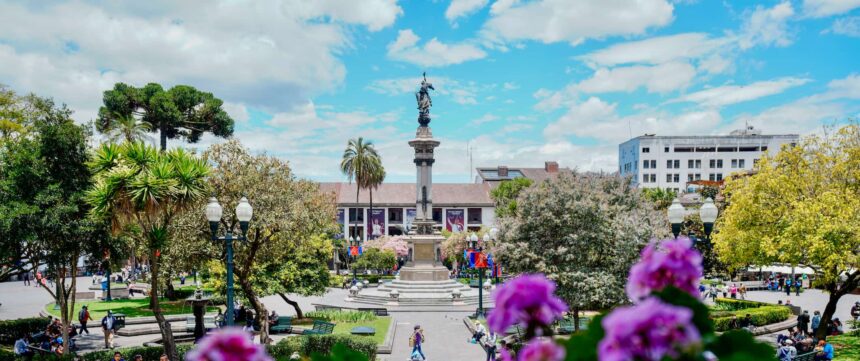
The main square, Plaza Grande (or Plaza de la Independencia), is the political hub of the Ecuador capital. It is surrounded by four important buildings: the Presidential Palace (Carondelet Palace), the Municipal Palace, the Archbishop’s Palace, and the Cathedral of Quito. It is a great place to sit on a bench, people-watch, and soak in the atmosphere.
Geography and Climate of the Ecuador Capital
Understanding the lay of the land is helpful before you visit. Quito is long and narrow, stretching about 50 kilometers from north to south but only about 8 kilometers wide. It sits in the Guayllabamba river basin, on the eastern slopes of Pichincha, an active stratovolcano in the Andes mountains.
Because of the altitude, the weather in the Ecuador capital can be unpredictable. Locals often joke that you can experience all four seasons in a single day. The morning might start sunny and warm (spring/summer), followed by afternoon rain showers (autumn), and a chilly evening (winter).
Weather Patterns to Expect
- The Dry Season (June to September): This is often considered summer. It is windier and sunnier, making it great for hiking and views.
- The Wet Season (October to May): Mornings are usually clear, but expect heavy rainfall in the afternoons.
- Temperature: It stays consistent, usually ranging from 50°F (10°C) at night to 70°F (21°C) during the day.
Altitude Sickness
Since the Ecuador capital is so high up, some visitors experience soroche (altitude sickness). Symptoms can include headaches, shortness of breath, and fatigue. It is smart to take it easy for your first day or two. Drink plenty of water, avoid heavy meals, and maybe try some coca tea, a local remedy that helps with the symptoms.
Top Attractions in the Ecuador Capital
Beyond the historic center, there is so much to see. This city is sprawling, and different neighborhoods offer different vibes. From the bohemian streets of Guápulo to the modern business district around La Carolina Park, exploration is rewarded here.
One major attraction is the TelefériQo. This sky tram takes you from the city edge up the side of Volcán Pichincha to an altitude of over 13,000 feet. The ride takes about 10 minutes, and the views from the top are unmatched. on a clear day, you can see several other volcanoes in the distance, including the famous Cotopaxi.
La Mitad del Mundo (Middle of the World)
You can’t talk about the Ecuador capital without mentioning the equator. Just about 26 kilometers north of the city center is the Ciudad Mitad del Mundo. Here, a large monument marks the spot where the French Geodesic Mission calculated the equatorial line in the 18th century.
It is a touristy spot, but fun. You can take the classic photo straddling the yellow line that divides the northern and southern hemispheres. Interestingly, modern GPS shows the actual equator is a few hundred meters away at the Intiñan Museum, where you can do cool physics experiments that supposedly only work on the equator.
Museums for Every Interest
If you are a history buff, the Ecuador capital has you covered. The Museo Nacional (MuNa) holds the country’s largest collection of ancestral art. For art lovers, the Capilla del Hombre (Chapel of Man) is a must. It was the masterwork of Oswaldo Guayasamín, Ecuador’s most famous artist, and serves as a monument to human suffering and hope in Latin America.
Table: Quick Guide to Top Museums in Quito
|
Museum Name |
Focus |
Why Visit? |
|---|---|---|
|
Museo Nacional (MuNa) |
History & Art |
Extensive collection of pre-Columbian artifacts and colonial art. |
|
Capilla del Hombre |
Modern Art |
A powerful architectural tribute to humanity by Guayasamín. |
|
Museo de la Ciudad |
City History |
Located in a former hospital, it chronicles daily life in Quito over centuries. |
|
Casa del Alabado |
Pre-Columbian Art |
Beautifully curated museum focusing on indigenous cosmology and spirituality. |
|
Yaku Water Museum |
Science & Nature |
Interactive and great for kids, focusing on the importance of water. |
Culinary Delights in Quito
Food in the Ecuador capital is a delicious adventure. The cuisine here is a mix of Andean traditions (potatoes, corn, pork) and coastal influences. You will find high-end restaurants experimenting with fusion cuisine alongside humble street stalls selling classics.
Don’t leave without trying Locro de Papa. This is a creamy potato soup served with cheese and avocado, and it is the ultimate comfort food for the cool Andean nights. Another favorite is Fritada, which is fried pork served with hominy corn (mote) and plantains.
Street Food and Markets
For an authentic experience, visit the Mercado Central. It is clean, organized, and full of food stalls. You can get a massive plate of hornado (roast pig) for just a few dollars. It is also a great place to try exotic fruits you might not see in the US, like guanábana, taxo, or naranjilla.
For a drink, try Canelazo. It is a warm, spiced alcoholic drink made with cinnamon (canela), sugar, and aguardiente (sugar cane alcohol). Vendors sell it on the streets of the Ecuador capital, especially in the La Ronda neighborhood at night.
Neighborhoods You Should Know
Quito is divided into zones, and knowing them helps you plan your stay. The city is essentially a long strip, and navigating between these zones is key to a good trip.
La Mariscal
This area is often called “Gringolandia” by locals because of the high number of tourists. It is the center of nightlife in the Ecuador capital. If you want bars, clubs, hostels, and international restaurants, this is where you go. It is vibrant and loud, perfect for younger travelers.
La Carolina and The North
North of the center is modern Quito. Here you will find La Carolina Park, which is like the Central Park of the city. It is surrounded by shopping malls like Quicentro, business centers, and luxury apartments. It is a great area to stay if you want modern amenities and a safe, walkable environment.
La Ronda
Located in the Historic Center, La Ronda is a famous cobblestone street. It is incredibly picturesque and comes alive at night. Artisans sell crafts during the day, and musicians play in the restaurants at night. It captures the romantic, old-world soul of the Ecuador capital.
Safety and Travel Tips
Like any major city in South America, safety is a concern for travelers. While the Ecuador capital is generally welcoming, petty crime does happen. Pickpocketing is the most common issue, especially in crowded areas like the Trolebús (trolley) or busy markets.
Staying Safe
- Watch your belongings: Don’t flash expensive cameras or phones in busy areas.
- Take Uber or Cabify: Official taxis are generally safe (look for orange license plates), but using ride-share apps is often easier and safer for tourists who don’t speak fluent Spanish.
- Avoid walking alone at night: This applies especially to the Historic Center and parks. Take a taxi even for short distances after dark.
Getting Around
The public transportation system in the Ecuador capital is extensive and cheap (usually $0.35 per ride). The Trolebús and Ecovía lines run north-south and are very efficient, though they get very crowded during rush hour. The city recently opened its first Metro line, which is a game-changer for getting from the north to the south quickly.
Day Trips from the Capital
One of the best things about Quito is its central location. You can base yourself in the Ecuador capital and take incredible day trips.
Otavalo Market
Just two hours north lies Otavalo, home to one of the largest indigenous markets in South America. It is famous for textiles—colorful ponchos, blankets, and scarves made of alpaca wool. The drive there is scenic, passing by lakes and mountains.
Cotopaxi National Park
About an hour and a half south is Cotopaxi, a perfectly cone-shaped volcano topped with a glacier. You can hike up to the refuge, go horseback riding on the paramo plains, or just admire the stunning landscape.
Mindo Cloud Forest
Two hours northwest, the elevation drops, and you enter the cloud forest. Mindo is a paradise for birdwatchers, chocolate lovers, and adrenaline junkies. You can go zip-lining, tubing down rivers, or visit butterfly farms. It is a lush, green contrast to the dryer climate of the Ecuador capital.
The Economy and Tech Scene
While tourism is huge, the Ecuador capital is also the business hub of the nation. It houses the headquarters of most major national companies and banks. Interestingly, the tech scene is growing. While it might not be Silicon Valley yet, there is a rising entrepreneurial spirit. You can find co-working spaces popping up in the modern districts, attracting digital nomads. For more on global tech trends, resources like Silicon Valley Time offer great insights into how technology is shaping different regions, including Latin America.
Conclusion
Quito is more than just a stopover on the way to the Galapagos. It is a destination full of soul, history, and adventure. The Ecuador capital challenges you with its altitude but rewards you with its beauty. Whether you are wandering the gold-filled churches of the Old Town, standing on the equator, or sipping a warm canelazo on a cool night, this city leaves a lasting impression.
It is a place where the past and present coexist. Indigenous traditions are woven into the fabric of modern life, creating a culture that is uniquely Ecuadorian. So, pack your bags, bring a good jacket, and get ready to explore the wonders of the middle of the world.
Frequently Asked Questions (FAQ)
What is the currency used in the Ecuador capital?
Ecuador uses the United States Dollar (USD). They adopted it in 2000. This makes travel very easy for American tourists, as there is no need to exchange money. However, bring small bills ($1, $5, $10) as it can be hard to find change for $20s or higher in small shops or taxis.
Is the water safe to drink in Quito?
It is generally recommended that tourists drink bottled or filtered water in the Ecuador capital. While the tap water is treated, the pipes in older buildings can be old, and your stomach might not be used to the local bacteria. Brushing your teeth with tap water is usually fine for most people, but if you have a sensitive stomach, use bottled water for that too.
How many days should I spend in Quito?
To really see the main sights of the Ecuador capital and perhaps do one day trip, 3 to 4 days is ideal. Spend two days exploring the Historic Center and modern city museums, and use the other days for trips to the Equator line or nearby nature spots like Cotopaxi.
What is the best time of year to visit?
The Ecuador capital is a year-round destination because of its stable temperature. However, the dry season from June to September is often considered the best time for views and hiking. If you want to avoid the rainiest afternoons, these months are your best bet.
Do I need to speak Spanish?
While you can get by with English in major hotels and tourist restaurants in the Ecuador capital, knowing some basic Spanish is very helpful. Many taxi drivers and shop owners in local markets do not speak English. Apps like Google Translate are very useful tools to have on hand.



