






The Egyptian Mau is a captivating and elegant feline, distinguished by its naturally spotted coat and striking green eyes. This rare breed carries an air of mystique, with a history that is as fascinating as its appearance. If you are looking for a loyal, intelligent, and playfully active companion, the Egyptian Mau might just be the perfect cat for you. They are not just pets; they are living pieces of history, believed to have originated in the very lands that worshipped cats as divine beings. This comprehensive guide will explore every facet of this remarkable breed, from its ancient origins to its modern-day care needs, helping you understand what makes the Egyptian Mau so special.
These cats form incredibly strong bonds with their human families, displaying a level of devotion that is truly heartwarming. While they can be a bit reserved with strangers, their loyalty to their chosen people is unwavering. Known for their incredible speed and agility, they possess a wild grace that is a joy to watch. They are the cheetahs of the domestic cat world, and their playful antics will keep you entertained for hours. Owning an Egyptian Mau is a unique experience, a chance to connect with a breed that has walked alongside humans for millennia.
Key Takeaways
- Ancient & Rare: The Egyptian Mau is one of the few naturally spotted domestic cat breeds with a lineage tracing back thousands of years.
- Distinctive Appearance: They are known for their mesmerizing “gooseberry green” eyes, unique spotted coat, and a characteristic “mascara” line extending from the eye.
- Incredible Speed: This breed is the fastest domestic cat, capable of reaching speeds up to 30 mph.
- Loyal & Intelligent: Maus are fiercely loyal to their families, intelligent, and highly trainable, often enjoying games like fetch.
- Vocal Communicators: They have a unique and melodious voice, using a variety of chirps and chortles to communicate with their owners.
- Health Considerations: While generally healthy, they can be prone to certain genetic conditions and are sensitive to anesthesia and some medications.
Unraveling the Ancient History of the Egyptian Mau
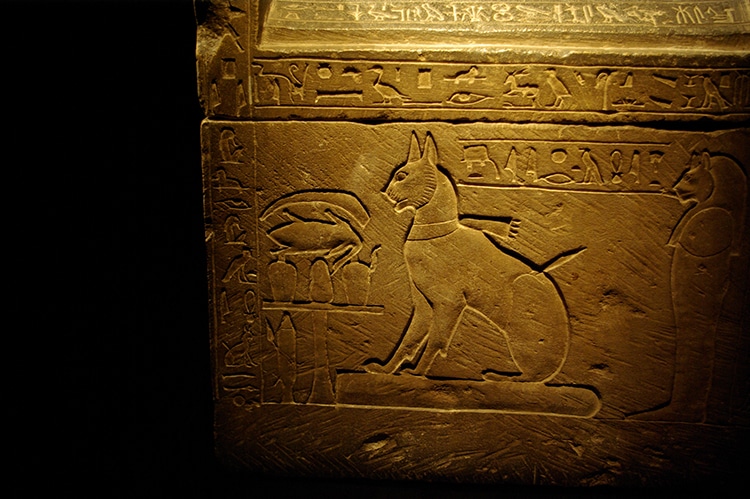
The story of the Egyptian Mau is a journey back in time. This breed is widely considered to be one of the oldest and most naturally occurring breeds of domestic cat. The name “Mau” is the Egyptian word for cat, literally meaning “to see” or “light,” which speaks to the captivating and luminous quality of their eyes. Evidence of their ancient lineage can be found in the artwork of ancient Egypt. Papyri and tomb paintings dating back as far as 1550 B.C. depict spotted cats that bear a striking resemblance to the modern Egyptian Mau. These cats were not just pets; they were integral parts of Egyptian society and religion. They were revered, worshipped, and protected by law. The goddess Bastet, often depicted with the head of a cat, was the goddess of home, fertility, and protection, highlighting the esteemed position these felines held.
The journey of the Egyptian Mau to the Western world is a more recent chapter in its long history. The breed was nearly wiped out during World War II. Its modern revival is largely credited to the efforts of a single person: exiled Russian Princess Nathalie Troubetskoy. While living in Italy in the early 1950s, she discovered these unique cats and was instantly captivated. She acquired a few Maus from the Middle East and began a dedicated breeding program. In 1956, she immigrated to the United States, bringing three of her precious Egyptian Mau cats with her. These three cats—a female named Baba, a female named Liza, and a male named Jo-Jo—became the foundation for the breed in North America. Thanks to her passion and determination, the Egyptian Mau was saved from the brink of extinction and began to gain recognition and admirers across the globe.
From Ancient Sands to Modern Homes
The transition of the Egyptian Mau from a revered creature of ancient Egypt to a cherished companion in modern households is a testament to its enduring appeal. After Princess Troubetskoy established her cattery, Fatima, in the United States, she and other dedicated breeders worked tirelessly to preserve the breed’s natural characteristics. They focused on maintaining the distinct spotted pattern, the gooseberry green eyes, and the elegant, muscular build that defined the cats from the start. Their work involved careful and selective breeding to expand the gene pool without sacrificing the qualities that made the Egyptian Mau so unique. The Cat Fanciers’ Association (CFA) officially recognized the breed for championship status in 1977, a major milestone that solidified its place in the world of pedigreed cats.
Today, the Egyptian Mau remains a relatively rare breed, but its popularity is steadily growing. Owners are drawn to its exotic looks, combined with a personality that is both playful and profoundly loyal. These cats have adapted remarkably well to domestic life, though they retain a touch of their wild ancestry in their energy and hunting instincts. They thrive in homes where they have plenty of room to run and play, and they form deep, lasting bonds with their families. The modern Egyptian Mau is a living connection to a distant past, a beautiful and animated reminder of the long and shared history between humans and cats. Owning one is like being a custodian of a small, purring piece of antiquity.
The Striking and Unique Appearance of the Mau
One of the most defining features of the Egyptian Mau is its stunning, naturally spotted coat. Unlike other spotted breeds like the Bengal or Ocicat, whose patterns were developed through selective breeding with other cat types, the Mau’s spots are all-natural. These spots can be small or large, round or oblong, and are randomly scattered across the body, creating a unique pattern for each cat. The coat itself is fine and silky to the touch, with a lustrous sheen. According to breed standards, the spots must be in high contrast to the background color. The Egyptian Mau comes in three primary championship colors: silver (with charcoal markings), bronze (with dark brown or black markings), and smoke (a pale silver undercoat tipped in black, with black markings). These colors give the cat an exotic, wild look that is truly mesmerizing.
Beyond the spots, several other physical traits make the Egyptian Mau stand out. Their eyes are perhaps their most enchanting feature. Large, almond-shaped, and a distinctive shade of light green described as “gooseberry green,” they give the cat a perpetually curious and slightly worried expression. This unique look is enhanced by natural “mascara” lines that extend from the corner of the eye along the cheek. A dark dorsal stripe runs the length of the body, from the head to the tip of the tail, which is itself banded with dark rings and has a dark tip. Another hallmark of the breed is the “M” marking on the forehead, often referred to as the mark of the scarab. This, combined with their graceful, muscular build and slightly longer hind legs, gives the Egyptian Mau an appearance of athletic elegance that is unmatched.
A Closer Look at Coat Colors and Patterns
The coat of the Egyptian Mau is a masterpiece of natural design. The spots are not just surface-level; they are present on the skin itself. This is a key characteristic of a naturally spotted cat. The breed standard is very specific about the quality and distribution of these markings. Let’s delve deeper into the recognized colors.
Silver Egyptian Mau
The silver variety is arguably the most striking. The ground color is a pale, shimmering silver, which provides a brilliant contrast for the dark charcoal to black spots. This combination gives them a look reminiscent of a miniature snow leopard. The nose leather is brick red, and the paw pads are black. The green of their eyes seems particularly vibrant against the cool tones of their silver coat, creating a truly breathtaking visual.
Bronze Egyptian Mau
The bronze Egyptian Mau has a warm, coppery-brown ground color. The spots are a darker shade of brown or black, creating a rich, earthy palette. This color variation is what many people imagine when they think of the cats depicted in ancient Egyptian art. They have a wild, almost feral beauty, like a tiny leopard of the desert. The nose leather is also brick red, and the paw pads are black or dark brown. The warmth of their coat makes their green eyes pop with an incredible intensity.
Smoke Egyptian Mau
The smoke Egyptian Mau is the most ethereal of the three. It has a pale silver undercoat that is deeply tipped with black, giving the overall impression of a smoky gray or pewter color. The spots are a solid jet black, but they appear more subtle against the darker background, like ghostly markings. This creates a mysterious and sophisticated look. When the cat moves, the lighter undercoat becomes visible, creating a beautiful shimmering effect. The nose leather and paw pads are solid black.
In addition to these championship colors, black and blue/pewter Maus also exist but are generally not eligible for competition. They are, however, adored as pets for their wonderful personalities.
Personality and Temperament: The Loyal Companion
The Egyptian Mau is far more than just a pretty face; it possesses a personality that is as captivating as its appearance. They are known for being exceptionally loyal and forming incredibly strong, deep bonds with their chosen family members. While they can be initially shy or reserved around strangers, once they accept you into their circle, you have a friend for life. They will often choose one or two people in the household as their primary person and will lavish them with affection, head-butts, and lap-time. This breed is not content to be an aloof observer; they want to be involved in everything their family does, from “helping” you work on the computer to supervising your cooking in the kitchen.
This intelligence and curiosity are hallmarks of the breed. An Egyptian Mau is a clever problem-solver and can easily learn to open doors, cabinets, and even turn on faucets. Their playful nature is another key aspect of their temperament. They retain a kitten-like sense of fun well into their adult years. They love to play and are particularly fond of interactive games that mimic hunting. Feather wands, laser pointers, and puzzle toys are excellent ways to keep them mentally stimulated and physically engaged. Many Maus even enjoy playing fetch, retrieving a favorite toy, and bringing it back to their owner to be thrown again. This combination of loyalty, intelligence, and playfulness makes them a wonderfully interactive and rewarding companion.
Understanding the Mau’s Unique Communication Style
One of the most endearing qualities of the Egyptian Mau is its unique and expressive way of communicating. These are not typically loud or demanding cats, but they are very vocal in their own special way. Instead of frequent meowing, they produce a delightful array of sounds often described as chirps, chortles, and trills. They use these soft, musical vocalizations to “talk” to their owners, whether it’s to greet them at the door, ask for a treat, or simply to have a conversation. This gentle form of communication is incredibly charming and is one of the many reasons owners feel such a strong connection to their Mau.
Another fascinating aspect of their communication is their tail-wagging. When an Egyptian Mau is happy, excited, or showing affection, it will often stand on its tiptoes and wiggle its tail with incredible speed, much like a happy dog. This is often accompanied by treading with their front paws and a soft chortling sound. It is an unmistakable expression of pure joy. They also use body language to great effect. Their large, expressive eyes can convey a wide range of emotions, from curiosity and contentment to their characteristic “worried” look. Learning to read these subtle cues—the soft chirps, the rapid tail wiggles, and the expressive glances—is a key part of building a deep and trusting relationship with this remarkable breed.
The Need for Speed: The Athleticism of the Egyptian Mau
If there is one thing that physically sets the Egyptian Mau apart from nearly every other domestic cat, it is its incredible speed. This breed is the undisputed sprinter of the feline world, capable of reaching speeds of up to 30 miles per hour (48 km/h). This remarkable ability is due to a unique combination of anatomical features. The most significant of these are their hind legs, which are noticeably longer than their front legs. This conformation is similar to that of a cheetah, providing them with immense power and acceleration for explosive bursts of speed.
Another anatomical feature that contributes to their speed is a loose flap of skin that extends from the flank to the knee. This flap allows for an extraordinary range of motion and a longer stride, enabling them to stretch their legs back further than other cats. When you watch an Egyptian Mau run at full tilt, you are witnessing a breathtaking display of natural athleticism and grace. They don’t just run; they glide. This inherent need for speed means they require an environment where they can safely expend their energy. A home with plenty of open space for “zoomies” is ideal. They also have an impressive vertical leap, so providing tall cat trees and shelves for climbing is essential for their well-being.
|
Feature |
Contribution to Speed |
|---|---|
|
Longer Hind Legs |
Provides powerful propulsion and acceleration, similar to a cheetah. |
|
Loose Skin Flap |
Allows for a longer, more flexible stride and greater range of motion. |
|
Muscular Build |
A lean, powerful physique built for agility and explosive movements. |
|
Flexible Spine |
Enables rapid changes in direction and contributes to a long stride length. |
These features combine to make the Egyptian Mau an incredibly agile and athletic animal. Their love of running and climbing is deeply ingrained in their nature. Failing to provide adequate outlets for this energy can lead to boredom and potentially destructive behaviors. A happy Mau is a tired Mau, so daily interactive play sessions that allow them to run, jump, and “hunt” are not just recommended—they are a necessity.
Health and Wellness: Caring for Your Egyptian Mau
The Egyptian Mau is generally considered a healthy and robust breed with a lifespan that can range from 12 to 16 years, and sometimes even longer with excellent care. Their natural origins contribute to a strong genetic foundation. However, like all pedigreed breeds, they can be predisposed to certain health conditions. Being aware of these potential issues is a crucial part of responsible ownership. One of the known genetic conditions in the breed is pyruvate kinase (PK) deficiency. This is a red blood cell disorder that can cause anemia. Reputable breeders will screen their breeding cats for this condition to ensure they are not passing it on to their kittens.
Another health concern to be aware of is a predisposition to certain heart conditions, such as hypertrophic cardiomyopathy (HCM), which is the most common form of heart disease in cats. Regular veterinary check-ups are vital for early detection and management. Lastly, the Egyptian Mau is known to be particularly sensitive to anesthesia and certain medications. It is critically important that your veterinarian is aware of this breed-specific sensitivity before any surgical procedure or when prescribing drugs. A balanced, high-quality diet and maintaining a healthy weight are also paramount, as obesity can exacerbate joint problems and other health issues. Overall, with proactive veterinary care and a healthy lifestyle, your Egyptian Mau can enjoy a long and vibrant life.
Dietary Needs and Nutrition
Proper nutrition is the cornerstone of good health for an Egyptian Mau. As obligate carnivores, cats require a diet that is high in animal-based protein. When choosing a food for your Mau, look for high-quality commercial cat foods where a named meat source, such as chicken, turkey, or fish, is listed as the first ingredient. Avoid foods that are filled with grains, corn, and other fillers, as these provide little nutritional value for a cat and can contribute to weight gain and other health problems. Both wet and dry food can be part of a balanced diet. Wet food is excellent for hydration, which is important for kidney and urinary tract health, while dry food can be good for dental health.
Given their high energy levels, an Egyptian Mau may require slightly more calories than a more sedentary cat, but it’s essential to monitor their body condition closely to prevent obesity. Their athletic build should be lean and muscular, not chubby. Portion control is key. Instead of free-feeding, it is often better to provide measured meals two or three times a day. Fresh, clean water should always be available. Some owners find that their Maus particularly enjoy drinking from a running water source, so a cat water fountain can be a great investment to encourage proper hydration. Always consult with your veterinarian to determine the best dietary plan for your individual cat based on its age, weight, and activity level.
Grooming and Maintenance Requirements
When it comes to grooming, the Egyptian Mau is a relatively low-maintenance breed. Their short, fine, silky coat does not mat or tangle easily and requires minimal assistance to stay in top condition. A weekly brushing session with a soft rubber curry brush or a grooming mitt is usually sufficient to remove loose hair and distribute skin oils, keeping their coat shiny and healthy. These grooming sessions are also a wonderful way to bond with your cat. Most Maus enjoy the attention and will come to see their weekly brushing as a special treat. During shedding seasons, which typically occur in the spring and fall, you may want to increase brushing to two or three times a week to help manage the extra loose fur.
Beyond coat care, routine maintenance should include regular nail trimming, dental care, and ear cleaning. Trimming your cat’s claws every few weeks can prevent them from becoming too sharp and can protect your furniture from accidental scratches. Providing plenty of appropriate scratching posts is also essential. Dental hygiene is crucial for preventing periodontal disease, which is common in cats. Brushing your cat’s teeth regularly with a vet-approved feline toothpaste is the gold standard. If your cat won’t tolerate brushing, dental treats and water additives can also help. Finally, check their ears weekly for any signs of dirt, wax buildup, or infection. A clean, healthy ear should be pale pink with no odor or debris.
Is an Egyptian Mau the Right Cat for You?
Deciding to bring an Egyptian Mau into your home is a significant commitment. While they are wonderful companions, they are not the right fit for every person or lifestyle. This breed thrives in an active household where they can be a central part of the family. They need attention, interaction, and plenty of stimulation. If you are looking for a quiet, independent lap cat that is content to be left alone for long periods, the Mau is likely not the best choice. They can suffer from separation anxiety if their social needs are not met. They do best in a home where someone is around for a good part of the day.
Potential owners should also be prepared for their high energy levels. You must be willing to provide outlets for their need to run, jump, and play. A spacious home is more suitable than a small apartment, unless you are dedicated to providing lots of vertical space and daily interactive play sessions. They can get along well with other cats and cat-friendly dogs, especially if introduced properly and at a young age. Their intelligence and curiosity mean you will also need to cat-proof your home, as they are notorious for getting into places they shouldn’t. If you are an active, engaged owner who wants a deeply loyal, intelligent, and playful feline partner, then the Egyptian Mau could be a perfect and rewarding addition to your life.
Finding a Reputable Egyptian Mau Breeder
Because the Egyptian Mau is a rare breed, finding one can be a challenge. It is absolutely crucial to seek out a responsible and ethical breeder. A reputable breeder is dedicated to the health, well-being, and betterment of the breed. They will be registered with major cat fancy organizations like The Cat Fanciers’ Association (CFA) or The International Cat Association (TICA). A good breeder will welcome your questions and be happy to provide you with information about the breed, their breeding program, and the health of their cats. They should allow you to visit their cattery (or provide extensive virtual tours) to see the conditions in which the cats and kittens are raised.
When you connect with a breeder, look for these positive signs:
- Health Screenings: They perform genetic testing on their breeding cats for known issues like PK Deficiency and screen for heart conditions like HCM.
- Clean Environment: The cattery is clean, spacious, and provides plenty of enrichment for the cats.
- Socialization: Kittens are raised underfoot as part of the family, ensuring they are well-socialized and accustomed to a home environment.
- Health Guarantee: They provide a written health guarantee and a contract that outlines the responsibilities of both the breeder and the buyer.
- Knowledge and Passion: They are passionate about the Egyptian Mau breed and serve as a resource for you throughout the cat’s life.
Be wary of breeders who are unwilling to answer questions, do not allow you to see where the kittens are raised, do not provide health records, or seem to be selling many different breeds of kittens. Patience is key. You will likely have to be placed on a waiting list for a kitten from a reputable breeder, but the wait is well worth it to ensure you are getting a healthy, well-socialized companion.
Conclusion: The Enduring Allure of the Egyptian Mau
The Egyptian Mau is a truly exceptional breed, a rare gem in the world of domestic cats. With its wild, spotted beauty, mesmerizing green eyes, and a history stretching back to the time of the pharaohs, it captures the imagination like no other. But its appeal goes far beyond its stunning looks. This is a cat with a deep soul, capable of forming incredibly powerful bonds of loyalty and affection with its human family. Their playful intelligence, athletic prowess, and unique chortling voice make every day an adventure. To share your life with an Egyptian Mau is to welcome a living, breathing work of art into your home.
They are not a cat for the casual owner; they demand and deserve engagement, activity, and love. In return, they offer a level of companionship and devotion that is truly profound. From their lightning-fast “zoomies” to their happy tail wiggles and soft, conversational chirps, the Mau enriches the lives of those lucky enough to know them. This ancient breed has journeyed through millennia, and its survival is a gift to the modern cat lover. For more in-depth information on feline breeds and their history, a great resource can be found by exploring cat-related topics on platforms like Wikipedia, which offers a wealth of knowledge on subjects such as the fascinating history of the domestic cat.
Frequently Asked Questions (FAQ)
1. Are Egyptian Maus good family pets?
Yes, Egyptian Maus can be excellent family pets. They are very loyal to their families and can get along well with children who are taught to be gentle and respectful of animals. They thrive on being part of the family’s daily activities.
2. Do Egyptian Maus shed a lot?
They are considered moderate shedders. They have a short, low-maintenance coat, but they will shed, especially during seasonal changes. Weekly brushing is usually enough to keep shedding under control.
3. Are Egyptian Maus hypoallergenic?
No cat breed is truly 100% hypoallergenic. However, because the Egyptian Mau has a short coat and grooms itself meticulously, some people with mild allergies report having fewer reactions to them. It is always best to spend time with the breed before committing if allergies are a concern.
4. How much does an Egyptian Mau kitten cost?
The Egyptian Mau is a rare breed, and the cost of a kitten from a reputable breeder can be significant. Prices can range from $1,200 to $2,500 or more, depending on the breeder, lineage, and color.
5. Can Egyptian Maus be left alone?
Egyptian Maus are very social cats and do not do well when left alone for long, extended periods. They can develop separation anxiety. If your household is empty for most of the day, a Mau might not be the best choice unless you can provide a feline or canine companion to keep them company.



