





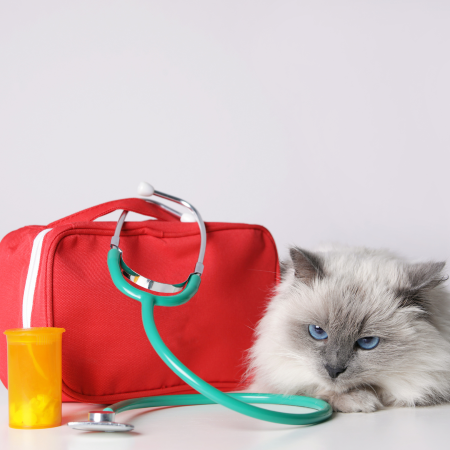

Do you know what you would do if your pet suddenly started choking, bleeding, or acting very sick?
Pet emergencies can feel scary because they often happen fast and without warning. The good news is that a few simple first aid basics can help you stay calm and take smart action. Pet first aid does not replace a vet, but it can support your pet until help is available.
This article explains how animal lovers can prepare for common pet emergencies with care and confidence.
Build a Simple Pet Emergency Kit
A pet first aid kit should be easy to find and simple to use. Keep it in a place where every family member can access it during an emergency. You can also keep a smaller version in your car for trips, hikes, or park days.
Useful items include gauze, bandages, antiseptic wipes, tweezers, gloves, and a digital thermometer. Add your pet’s medical records, vet phone number, and emergency clinic contact information. Check the kit every few months so expired or missing items can be replaced.
Know the Warning Signs
Pets cannot tell us exactly what hurts, so behavior matters. Watch for signs like trouble breathing, repeated vomiting, sudden weakness, heavy bleeding, pale gums, or collapse. These symptoms should be treated as urgent and need professional help right away.
Other signs can be quieter but still important. Hiding, shaking, refusing food, or acting confused may mean something is wrong. When you know your pet’s normal habits, it becomes easier to notice changes early.
Handle Choking and Breathing Trouble
Choking can happen when pets swallow toys, bones, food, or small household items. Signs may include pawing at the mouth, gagging, coughing, blue gums, or panic. Stay calm, keep your hands safe, and contact a vet as soon as possible.
Breathing problems should always be taken seriously. Do not force water, food, or medicine into your pet’s mouth during a breathing emergency. Training resources like https://cprcertificationnow.com/products/pet-cpr-first-aid-certification can help pet owners learn structured emergency response steps before a crisis happens.
Manage Cuts Burns and Bites
For minor cuts, gentle pressure can help slow bleeding. Use clean gauze or a cloth, and avoid rubbing the wound. If bleeding is heavy, deep, or does not slow down, seek veterinary care right away.
Burns and bites also need careful attention. Cool a burn with clean, cool water, but do not apply creams unless a vet tells you to do so. Animal bites can become infected, so even small punctures should be checked by a professional.
Keep Pets Safe During Transport
Moving an injured pet can make the injury worse if it is done too quickly. Approach slowly, speak softly, and avoid sudden movements. Even a gentle pet may bite or scratch when scared or in pain.
Use a towel, blanket, carrier, or flat board to support your pet during transport. Keep them warm, still, and as comfortable as possible. Call the clinic ahead so the staff knows what happened and can prepare for your arrival.
Care Starts With Readiness
Pet emergencies can happen to any animal lover, but preparation makes them less overwhelming. When you know the basics, you can respond with more control and less fear. That calm response can help your pet feel safer while you get proper care.
A little planning today can make a hard moment easier tomorrow. Your pet depends on you, and readiness is one of the most caring gifts you can give.
Did you find this article helpful? Check out the rest of our blog now!



