







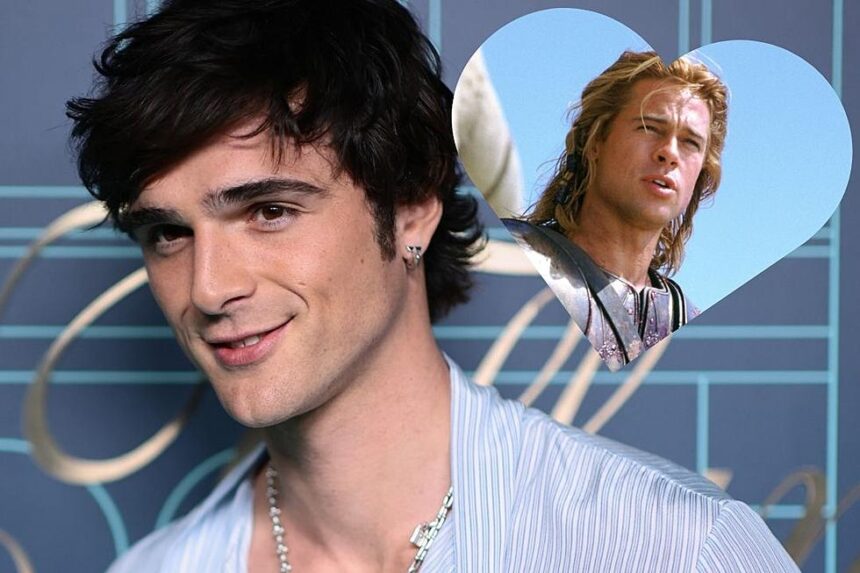

We all remember tearing posters out of magazines and taping them to our bedroom walls. Whether you loved a popular boy band member, a lead actor in a blockbuster movie, or a talented athlete, having a favorite star is a universal experience. But have you ever stopped to wonder why we develop these feelings in the first place? It turns out that admiring famous people is not just a passing phase; it is deeply rooted in human psychology and social development. When we look closer at why we develop celebrity crushes, we uncover fascinating insights into how our brains process connection, identity, and admiration. This article explores the science behind these feelings, how they shape our teenage years, the massive impact of social media, and how to enjoy fandom safely.
Key Takeaways
- Having celebrity crushes is a completely normal part of human development and psychology.
- These feelings often form what experts call a one-sided or parasocial relationship.
- Social media has dramatically changed how we interact with and perceive famous people.
- Admiring a star can help teenagers figure out their own identities and romantic preferences.
- Maintaining healthy boundaries is essential to ensure these feelings remain fun and beneficial.
Read more: Scarlett Johansson: The Complete Story of a Hollywood Icon
When we talk about celebrity crushes, we are referring to the strong feelings of admiration, affection, or romantic interest directed toward a famous person. These people can be actors, musicians, athletes, or even internet personalities. For most people, this experience is entirely normal and highly common. You see someone on screen or listen to their music, and suddenly, you feel a deep connection to them. You might spend hours watching their interviews, buying their merchandise, or talking about them with your friends. This phenomenon provides a safe space to explore romantic feelings without the real-world risks of rejection or heartbreak. Because the famous person is entirely unaware of the admirer, the relationship exists mostly in the fan’s imagination. This allows the fan to project their ideal traits onto the star, making them seem absolutely perfect. While we often associate these feelings with teenagers, adults frequently experience them as well, proving that our desire to connect with charismatic figures never truly fades away.
The Definition of Parasocial Relationships
To truly understand this concept, we need to look at a psychological term called the parasocial relationship. A parasocial relationship is a one-sided connection where one person extends emotional energy, interest, and time, while the other person remains completely unaware of their existence. When you develop celebrity crushes, you are essentially forming a parasocial bond. You know everything about their favorite foods, their hometowns, and their pet’s names, but they do not know you exist. Despite this imbalance, the human brain still processes these feelings as real social connections. Our minds evolved in small tribes where seeing a face repeatedly meant that person was part of our community. Today, seeing a star’s face repeatedly on screens tricks our brains into feeling a genuine sense of familiarity and closeness with them.
The Psychology of Celebrity Crushes
The underlying psychology behind why we adore famous people is incredibly complex and fascinating. At its core, having celebrity crushes allows us to safely explore our own desires and boundaries. When you admire a star, you are often attracted to specific qualities they possess or portray. Perhaps they seem incredibly confident, deeply empathetic, or fiercely independent. By focusing your affection on them, you are subconsciously identifying the traits you value most in a potential partner or even in yourself. Furthermore, these feelings offer a wonderful form of escapism. When daily life becomes stressful, boring, or overwhelming, escaping into the glamorous, exciting world of a famous actor or musician provides instant comfort. You do not have to worry about the messy, complicated aspects of real-life relationships. Instead, you get to enjoy a purely positive, idealized version of romance that exists entirely on your own terms.
Why Our Brains Attach to Stars
Our brains are hardwired for social connection, and they do not always distinguish between real-life friends and people we see on television. When we watch interviews or movies featuring our favorite stars, our brains release oxytocin, the exact same hormone responsible for bonding and trust in real relationships. This chemical reaction explains why celebrity crushes can feel so intensely real and why we feel genuinely happy when the star succeeds or upset when they face a scandal. We attach to these stars because they represent an ideal. They are often styled perfectly, speak eloquently in scripted movies, and showcase their best selves to the public. Our brains eagerly latch onto this perfection because it fulfills our deep-seated human desire for a flawless, completely safe emotional connection.
How Celebrity Crushes Impact Human Development
During adolescence, the human brain goes through massive changes, and celebrity crushes play a surprisingly vital role in this developmental stage. Teenagers are trying to figure out who they are, what they value, and who they want to become. Admiring a famous figure gives them a blueprint to safely explore these questions. When a teenager plasters their room with posters of a pop star, they are not just decorating; they are making a public statement about their developing identity. These crushes provide a low-stakes environment to practice romantic feelings. A teen can experience the thrill of a crush, the butterflies in the stomach, and the joy of discussing it with peers, all without the terrifying prospect of asking someone out in the school cafeteria. It acts as a set of training wheels for real-world dating and emotional vulnerability.
Teen Identity and Role Models
The people we look up to during our formative years heavily influence our future behavior. When teenagers develop celebrity crushes, they often start mimicking the positive traits of their idols. If a beloved actor advocates for environmental protection, their fans are highly likely to take an interest in recycling and conservation. If a musician speaks openly about mental health struggles, it encourages young fans to be more vulnerable and seek help when they need it. In this way, these public figures act as distant role models. While the initial attraction might be based on physical appearance or talent, the long-term impact often shapes the fan’s moral compass, hobbies, and personal values, helping them transition into well-rounded adults.
The Role of Social Media in Fandoms
Before the internet, interacting with famous people meant sending fan mail to a PO Box and hoping for a pre-printed, autographed picture months later. Today, social media platforms have completely revolutionized the way we experience celebrity crushes. Apps like Instagram, X, and TikTok provide fans with unprecedented, 24/7 access to the lives of their favorite stars. Celebrities frequently post behind-the-scenes videos, share their morning routines, and even reply to comments directly. This constant stream of personal content significantly magnifies the intensity of a fan’s feelings. It creates a powerful illusion that you are actually friends with the person. You know what they ate for breakfast and what their living room looks like. This digital closeness makes modern fandom much more interactive, but it also blurs the lines between public entertainment and private life.
From Magazines to Direct Messages
The shift from print media to digital interaction has fundamentally changed fan culture. In the past, magazines controlled exactly what information fans received. Now, fans can send direct messages to stars, participate in live streams, and join massive digital communities of like-minded admirers. This instant access feeds the passion of celebrity crushes because the possibility of being noticed feels within reach. When a star likes a fan’s tweet or responds to a comment, it validates the fan’s dedication and encourages them to invest even more time into the parasocial relationship. This dynamic has created highly organized, passionate fandoms that can mobilize online to support their favorite artists’ new projects instantly.
The Illusion of Intimacy
We must carefully navigate the illusion of intimacy that social media creates. When a star looks directly into their smartphone camera to record a video, it feels incredibly personal, as if they are talking directly to you. This specifically designed content tricks our social instincts. It is essential to remember that this intimacy is a curated, carefully managed performance designed to build a brand. Understanding this helps keep celebrity crushes grounded in reality rather than descending into unhealthy expectations.
Exploring Different Types of Celebrity Crushes
Not all admirations are created equal. When we talk about celebrity crushes, we often assume they are purely romantic, but human emotion is much more diverse than that. Some people experience purely aesthetic crushes, where they simply appreciate how beautiful or stylish a famous person is without wanting a relationship with them. Others develop aspirational or identity crushes. In these cases, the fan does not necessarily want to be with the celebrity; rather, they want to be the celebrity. They admire the star’s confidence, talent, or success and use them as a motivational benchmark for their own life goals. Understanding these different types of affection helps us better understand our own motivations and what we are truly seeking when we fixate on a public figure.
Romantic vs. Platonic Admiration
It is completely possible to have a platonic crush on a famous person. A romantic crush involves fantasizing about dating, marrying, or being romantically involved with the star. You might imagine going on dates or walking red carpets together. On the other hand, platonic celebrity crushes focus heavily on friendship. You might watch a comedian’s interview and think, “I would love to grab coffee and just chat with them.” Both forms of admiration are valid and stem from our natural desire to surround ourselves with interesting, talented, and engaging people, whether in reality or in our imaginations.
Recognizing Healthy vs. Unhealthy Fixations
While having celebrity crushes is generally harmless and fun, it is critical to recognize when admiration crosses the line into an unhealthy fixation. A healthy crush brings joy, inspires you, and connects you with a community of fellow fans. It does not interfere with your daily responsibilities or real-life relationships. Conversely, an unhealthy fixation occurs when the obsession begins to negatively impact your real life. If you find yourself spending money you do not have on merchandise, skipping school or work to track a star’s movements online, or feeling genuine rage when the celebrity dates someone in real life, it is time to step back. Keeping these feelings in check ensures that your fandom remains a positive force in your life.
Here is a helpful breakdown of the differences:
|
Healthy Celebrity Crushes |
Unhealthy Fixations |
|---|---|
|
Inspires positive hobbies and creativity |
Causes you to abandon real-life hobbies |
|
Brings joy and acts as stress relief |
Causes anxiety, jealousy, or depression |
|
Accepts that the celebrity is a stranger |
Believes the celebrity owes you their time |
|
Respects the star’s privacy and boundaries |
Attempts to stalk or invade their private life |
|
Does not interfere with real friendships |
Causes isolation from real-world friends |
Warning Signs of Obsession
The transition from a harmless fan to an obsessed individual usually happens slowly. Warning signs include feeling a sense of ownership over the star, believing you know what is best for them, and attacking anyone who criticizes them online. Another major red flag is neglecting your own hygiene, relationships, or career because you are too busy monitoring the star’s social media accounts. Recognizing these signs early is crucial for maintaining your mental health while still enjoying your favorite entertainment.
Setting Healthy Boundaries with Fandom
To fully enjoy your celebrity crushes without letting them take over your life, you need to establish healthy boundaries. Start by actively limiting your screen time. Dedicate a specific, small portion of your day to catching up on fan news rather than refreshing your feed constantly. Remind yourself frequently that you are seeing a curated, highly polished version of a person, not their full, flawed reality. It is also vital to invest time and energy into your real-life relationships. Go out with your friends, talk to your family, and engage in hobbies that do not involve a screen. By balancing your digital interests with a robust real-world life, you ensure that your admiration remains a fun hobby rather than an all-consuming lifestyle.
When to Step Back from the Screen
If you notice that news about your favorite star ruins your actual day, it is a clear signal to step back. Taking a digital detox can work wonders for your mental health. Unfollow fan accounts for a few weeks, delete social media apps from your phone temporarily, and focus entirely on your immediate physical surroundings. This brief pause helps reset your brain’s reward system and puts your celebrity crushes back into their proper perspective as simply one small, entertaining part of your broader life.
The Biological Reaction to Seeing Your Idol
Have you ever wondered why your heart races, your palms sweat, and you get butterflies in your stomach when you see a photo or video of your favorite star? This physical reaction to celebrity crushes is deeply rooted in human biology. When we encounter something or someone that brings us immense pleasure, our nervous system kicks into high gear. Our adrenal glands release a small surge of adrenaline, causing that excited, jittery feeling. Your brain is reacting exactly the same way it would if you bumped into a real-life crush in the hallway. It is a completely natural, physiological response to visual stimuli that your brain has categorized as highly rewarding and desirable.
Dopamine and the Reward System
The main chemical player in this biological reaction is dopamine. Whenever you consume content related to your celebrity crushes, whether it is listening to their new song or watching their movie, your brain releases a hit of dopamine. This neurotransmitter is responsible for making us feel happy, motivated, and satisfied. Because dopamine feels so incredibly good, our brains naturally want more of it, which drives us to seek out even more content about the star. Understanding this biological loop helps explain why it is so easy to fall down a three-hour internet rabbit hole watching interviews of your favorite actor.
Can Celebrity Crushes Be Beneficial?
Despite the potential pitfalls of over-investment, celebrity crushes can actually be highly beneficial to our mental and social well-being. For many people, admiring a public figure sparks genuine creativity. Fans often write elaborate stories, create beautiful digital art, or learn to edit videos to celebrate their favorite stars. These hobbies build real-world skills that can translate into future careers. Furthermore, famous people often use their platforms to champion critical social causes. When fans follow their idols into charitable work, they end up contributing positively to society. Ultimately, a healthy crush adds a layer of excitement and inspiration to our everyday routines, proving that fandom has real, tangible benefits.
Finding Community and Motivation
Perhaps the greatest benefit of all is the community that forms around these public figures. Fandoms provide a tremendous sense of belonging, especially for people who might feel lonely or misunderstood in their daily lives. Bonding over shared celebrity crushes has sparked millions of genuine, lifelong friendships across the globe. You might join an online forum to talk about a singer and end up meeting your best friend. These communities offer support, laughter, and a shared space to enthusiastically celebrate the things that bring you joy.
Conclusion
In the end, experiencing celebrity crushes is a deeply human, incredibly common phenomenon that spans across all ages and cultures. These feelings provide a safe space to explore our identities, understand our romantic preferences, and find joy outside of our daily routines. While social media has certainly intensified how we interact with famous people, maintaining healthy boundaries ensures that our fandom remains a positive, uplifting force in our lives. By recognizing the psychology behind our admiration, we can enjoy the thrill of a crush without losing ourselves in the process. As long as we keep one foot firmly planted in the real world, there is absolutely nothing wrong with admiring the stars from afar. If you want to dive deeper into the science of how we bond with people we have never met, you can explore the fascinating concept of parasocial interactions and how they shape our modern social lives.
Frequently Asked Questions
Are celebrity crushes normal for adults?
Yes, absolutely! While they are heavily associated with teenagers, adults frequently experience them too. It is a completely normal way for adults to enjoy escapism and admire talent, beauty, or charisma.
Can a celebrity crush ruin a real relationship?
It only causes problems if you let it cross into unhealthy obsession. If you constantly compare your real-life partner to a famous person or prioritize a parasocial relationship over your actual relationship, it can cause significant damage.
Why do I feel so sad when my favorite star starts dating someone?
This happens because your brain has formed a one-sided emotional attachment. When they date someone else, your brain temporarily processes it as a minor personal rejection, which is a normal psychological response.
How do I stop being obsessed with a famous person?
The best approach is to limit your exposure. Unfollow fan pages, reduce your time on social media, and actively invest your energy into real-world hobbies, friends, and family to reset your perspective.



