







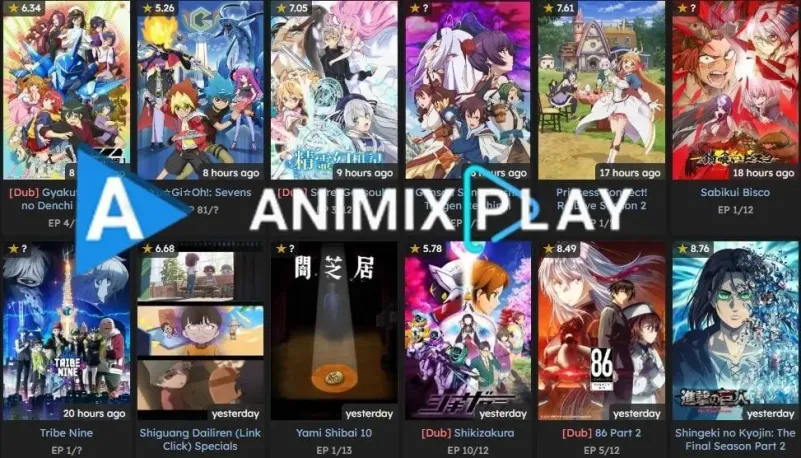

For a long time, anime fans had a go-to spot on the internet. A place where countless series and movies were just a click away. That place was animixplay. It became a household name for many, offering a vast library of animated content that drew in millions of users. But one day, things changed. The site that was once a bustling hub for anime enthusiasts announced its closure, leaving many wondering what happened and where to go next. This article dives into the world of animixplay, exploring its rise, its features, why it shut down, and the legacy it left behind. We will explore the details of its operation, its impact on the anime community, and what its departure means for the world of online streaming.
This journey will help you understand not just the platform itself, but the broader landscape of anime consumption online. From its user-friendly interface to the legal questions that always loomed, we will unpack everything you need to know about the platform known as animixplay.
Key Takeaways
- animixplay was a very popular, but unofficial, website for streaming anime for free.
- It shut down in early 2023, citing maintenance issues and a desire to encourage support for official platforms.
- The platform was known for its massive library, ad-free experience, and user-friendly features like tracking watch history.
- Using unofficial sites like animixplay raises significant legal and ethical questions about copyright infringement.
- The closure of animixplay highlights the importance of supporting the anime industry through legal streaming services.
What Exactly Was Animixplay?
At its core, animixplay was a free streaming website dedicated entirely to anime. It hosted an enormous collection of anime series, movies, and original video animations (OVAs). Unlike official platforms such as Crunchyroll or Netflix, animixplay did not hold the licenses for the content it provided. Instead, it acted as a massive index, embedding videos from various third-party servers. This model allowed it to offer an unparalleled amount of content without charging users a subscription fee. Think of it as a highly specialized search engine for anime videos.
The platform’s main appeal was its convenience and cost-free access. For fans in regions where certain anime weren’t available, or for those who couldn’t afford multiple subscriptions, animixplay became an essential resource. It broke down barriers to entry, allowing anyone with an internet connection to explore the vast and wonderful world of anime. This accessibility is what helped animixplay build a massive and loyal user base in a relatively short amount of time. It became more than just a site; it was a community resource.
The Rise to Popularity
The journey of animixplay to the top of the unofficial streaming world was remarkable. Its popularity didn’t just happen overnight; it was the result of a few key factors that made it stand out from a sea of similar websites. The primary driver was its user-centric design. The interface was clean, modern, and incredibly easy to navigate. Finding a specific anime, whether it was a blockbuster hit or a niche title, was simple and fast. This focus on user experience was a game-changer.
Furthermore, animixplay offered a nearly ad-free experience, which was a huge contrast to other free streaming sites that were often cluttered with intrusive pop-ups and banners. This made watching anime on the platform a much more pleasant and seamless experience. Word of mouth spread like wildfire through online communities on Reddit, Discord, and social media. Users praised its reliability, vast library, and high-quality streams, turning animixplay into the default choice for millions of anime fans around the globe.
Key Features That Attracted Users
What made animixplay so sticky? It wasn’t just the free content; it was the thoughtful features that mimicked, and in some cases surpassed, premium services. The platform was designed with the viewer in mind, offering tools that enhanced the watching experience significantly.
Here are some of the standout features:
- Massive Anime Library: It boasted one of the most comprehensive collections of anime available anywhere, including new releases, classic series, and obscure titles.
- High-Quality Streaming: Users could often choose between different video qualities, with many titles available in 720p or 1080p.
- Internal Player: It used a clean, fast-loading internal player that reduced buffering and eliminated the need for annoying pop-ups.
- Watchlist and History: You could create a personal watchlist to keep track of shows you wanted to see and view your watch history to pick up where you left off.
- No Mandatory Registration: While creating an account unlocked features like the watchlist, anyone could start streaming immediately without signing up.
- Subbed and Dubbed Options: animixplay catered to all preferences by providing both subtitled (sub) and English-dubbed (dub) versions of many anime.
These features combined to create a user-friendly ecosystem that kept people coming back. It felt professional, safe, and tailored to the needs of the anime community.
The Shutdown of Animixplay: What Happened?
In early 2023, the anime community was shocked when visitors to the animixplay website were greeted not by a list of anime, but by a farewell message. The site announced it was shutting down permanently. The message was brief, stating that the backend files had been removed and that the closure was definite. The operators thanked the users for their support over the years and, in a surprising move, encouraged them to support official anime platforms.
The sudden closure left millions of users without their primary source for anime. Speculation immediately began to swirl. Was it legal pressure? Were the operational costs too high? The official reason given by the animixplay team was related to the difficulty of maintaining the site and its players. However, the underlying reason is widely believed to be the increasing legal scrutiny faced by unofficial streaming sites. The anime industry has been cracking down on piracy, and a site as prominent as animixplay was undoubtedly a major target.
The Official Reason vs. Community Speculation
The farewell message on the animixplay homepage was polite and a bit vague. It mentioned that the video players were “breaking” and that they didn’t have a fix. The message ended with a recommendation to use legal alternatives. This official statement points towards technical difficulties and a potential change of heart from the operators.
However, the community had other theories. Here’s a breakdown of the prevailing ideas:
|
Theory |
Description |
|---|---|
|
Legal Pressure |
The most popular theory is that the owners received a cease-and-desist letter or faced other legal threats from copyright holders in Japan or the U.S. Running a site of that scale puts a massive target on your back. |
|
Operational Costs |
Hosting and maintaining a website with millions of daily visitors is incredibly expensive. Even without licensing fees, the server costs alone would be substantial. It’s possible the project was no longer financially sustainable. |
|
Personal Reasons |
The anonymous operators may have simply decided to move on. Running a legally gray website can be stressful, and perhaps they no longer had the time or desire to continue. |
|
A “Noble” Exit |
Some believe the operators genuinely wanted to steer users toward legal platforms to better support the anime industry, using the “technical issues” as a convenient excuse to bow out gracefully. |
The true reason is likely a combination of these factors. The risk of legal action, coupled with the high costs and stress of operation, probably made shutting down the most logical choice for the team behind animixplay.
The Legal and Ethical Gray Area of Animixplay
It’s impossible to talk about animixplay without addressing the elephant in the room: its legality. In simple terms, animixplay operated in a legal gray area but was fundamentally based on copyright infringement. The site itself didn’t store the pirated videos on its own servers. Instead, it scraped and embedded content from other online sources. This practice, known as indexing, is a tactic used by many similar sites to create a layer of separation from the infringing content itself.
However, this does not make the act legal. Distributing or facilitating access to copyrighted material without permission from the owner is illegal in most countries, including the United States. While individual users of such sites have rarely faced legal consequences, the operators of the websites themselves are at significant risk of lawsuits, fines, and even criminal charges. The entire ecosystem of unofficial streaming, while convenient for users, directly harms the creators and studios who produce the anime we love.
Understanding Copyright and Anime Piracy
When a studio like MAPPA or Toei Animation creates an anime, they own the copyright to it. To distribute it legally in other countries, companies like Crunchyroll, Funimation (now part of Crunchyroll), and Netflix pay large licensing fees. These fees are a crucial source of revenue that funds the production of new anime, pays animators, and supports the entire industry.
When you watch anime on a site like animixplay, none of that money goes back to the creators. You are consuming the product without contributing to its creation or the livelihood of the artists. This is the core issue of anime piracy. While it might seem harmless, widespread piracy can lead to:
- Reduced Budgets for New Anime: Less revenue means less money to invest in future projects.
- Lower Wages for Animators: The anime industry is already known for its grueling work conditions and low pay. Piracy makes this situation worse.
- Fewer Shows Being Licensed: If a show is heavily pirated, legal streaming services may be less willing to pay to license it, limiting its official availability.
The closure of animixplay and its final message encouraging support for legal sources can be seen as an acknowledgment of this reality.
The Impact of Animixplay on the Anime Community
The influence of animixplay on how a generation of fans discovered and consumed anime cannot be overstated. For many, it was the gateway into a world they might not have otherwise accessed. The platform played a significant role in the global popularization of anime by making thousands of titles instantly available to a worldwide audience, free of charge. This easy access helped create new fans who, after getting hooked, may have later transitioned to paid subscriptions to support the industry or get higher quality and more reliable service.
On the other hand, it also normalized the idea that anime should be free. This mindset can be damaging to the long-term health of the industry. The convenience of animixplay set a high bar for user experience, one that some official platforms have struggled to meet. Its shutdown forced a large portion of the community to re-evaluate how they watch anime and confront the ethical dilemma of piracy versus paid, legal consumption.
Did It Help or Hurt the Industry?
This is a complex question with no easy answer. There’s a strong argument to be made for both sides.
Arguments for how animixplay helped the industry:
- Exposure and Discovery: It introduced countless people to anime who might not have paid for a subscription upfront. Many of these users went on to become paying customers of legal services.
- Global Reach: It made anime accessible in regions where legal options were limited or nonexistent, expanding the global fanbase.
- Community Building: By providing a central hub, it helped foster discussions and build communities around various anime series.
Arguments for how animixplay hurt the industry:
- Lost Revenue: The most direct impact. Every view on animixplay was a potential view (and revenue) lost on a legal platform.
- Devaluation of Content: It fostered the expectation that high-quality entertainment should be free, making it harder for legal services to attract subscribers.
- Unfair Competition: Legal services have to pay massive licensing fees, while animixplay did not, creating an unsustainable and unfair market.
Ultimately, while animixplay may have inadvertently created new fans, its model was fundamentally parasitic. It thrived on the hard work of others without compensating them. The long-term health of the anime industry depends on a sustainable model where creators are paid for their work, which is something that unofficial sites will never provide. For more insights on digital trends and their impact on industries, resources like https://siliconvalleytime.co.uk/ offer valuable analysis.
Alternatives to Animixplay: Where to Watch Anime Now
With animixplay gone, many fans are looking for new places to get their anime fix. The best and most ethical option is to turn to legal and official streaming services. These platforms directly support the anime industry, ensuring that the creators, animators, and studios get paid for their incredible work. Plus, they offer a reliable, high-quality, and safe viewing experience without the risks associated with pirate sites.
Choosing a legal service not only supports the industry but also gives you benefits like professional subtitles, high-quality dubs, and early access to new episodes, often on the same day they air in Japan. While it may involve a monthly fee, the peace of mind and the knowledge that you are contributing to the art form you love is well worth it.
Top Legal Streaming Platforms
The legal streaming landscape has grown significantly, offering fans more choices than ever before. Here are some of the best platforms available today, particularly for audiences in the United States:
Crunchyroll
Often called the “home of anime,” Crunchyroll is the largest and most comprehensive anime streaming service in the world. After merging with Funimation, its library became absolutely massive.
- Pros: Huge library of subbed and dubbed anime, simulcasts new episodes shortly after Japan broadcast, manga and mobile games.
- Cons: The free, ad-supported tier has limitations.
HIDIVE
A fantastic service that specializes in more niche and exclusive titles that you won’t find on Crunchyroll. It’s a great second subscription for hardcore fans.
- Pros: Many exclusive licenses, uncensored versions of some shows, affordable price.
- Cons: Smaller library compared to Crunchyroll, interface can be less polished.
Netflix
The streaming giant has invested heavily in anime, producing its own “Netflix Originals” and licensing many popular shows.
- Pros: High-quality original productions, excellent user interface and streaming quality, available as part of a standard Netflix subscription.
- Cons: Library rotates frequently, new episodes of weekly shows are often released all at once at the end of the season (not simulcast).
Hulu
Hulu also has a solid selection of anime, including many popular and classic titles. It’s a great option if you already subscribe for its other TV shows and movies.
- Pros: Good mix of popular and classic titles, part of the Disney bundle.
- Cons: Library isn’t as extensive as dedicated anime platforms.
The Risks of Using Unofficial Alternatives
While many sites have popped up trying to fill the void left by animixplay, using them comes with significant risks. These unofficial platforms are often funded by malicious ads and can pose a threat to your online security.
Potential risks include:
- Malware and Viruses: Many sites use deceptive ads that can lead to downloading malware onto your device.
- Phishing Scams: Some sites may try to trick you into entering personal information.
- Unreliable Service: These sites can be taken down at any moment, just like animixplay, leaving you scrambling for another alternative.
- Poor User Experience: Expect a barrage of pop-ups, intrusive ads, and lower-quality video streams.
Given these risks and the ethical considerations, transitioning to a legal streaming service is the smartest and safest choice for any anime fan.
Conclusion: The Legacy of a Piracy Giant
The story of animixplay is a fascinating chapter in the history of online anime consumption. It rose to prominence by offering an unmatched user experience and a comprehensive library for free, capturing the hearts of millions. However, its success was built on a foundation of copyright infringement, a model that is ultimately unsustainable and harmful to the industry it claimed to serve.
Its shutdown was a pivotal moment, forcing a massive audience to confront the realities of digital piracy. The legacy of animixplay is twofold. It demonstrated the immense global demand for anime and set a high standard for what a user-friendly streaming interface should look like. At the same time, its closure served as a powerful reminder of the importance of supporting creators through legal channels. As fans, the best way to ensure a bright future for anime is to invest in it, ensuring that the studios and artists who bring these incredible stories to life can continue to do so for years to come.
Frequently Asked Questions (FAQ)
Q1: Was animixplay safe to use?
While the animixplay site itself was generally considered free of malware, it operated in a legally gray area. The primary risk with such sites comes from the third-party ads and servers they rely on, which can sometimes lead to malware or phishing attempts. Legal platforms are always the safest option.
Q2: Will animixplay ever come back?
It is highly unlikely. The farewell message was definitive, stating the backend was deleted. Even if a site with the same name appears, it would be a copycat and not run by the original team. These copycats are often more dangerous and loaded with malicious ads.
Q3: Why was animixplay so popular if it was illegal?
Its popularity stemmed from three main things: it was completely free, it had a massive library of almost every anime imaginable, and it offered a clean, ad-free user experience that was better than most other free sites and even some paid ones.
Q4: What’s the best legal alternative to animixplay?
For the sheer size of the library, Crunchyroll is the best all-around alternative. It has the largest collection of both subbed and dubbed anime. HIDIVE is a great choice for more niche titles, while Netflix and Hulu are good options if you already have subscriptions.
Q5: Is it illegal for me to watch anime on unofficial sites?
In most Western countries, the primary legal risk is on the distributors (the website owners), not the viewers. However, streaming copyrighted content without permission is still technically a form of copyright infringement. More importantly, it is unethical as it deprives the anime creators of revenue.



