



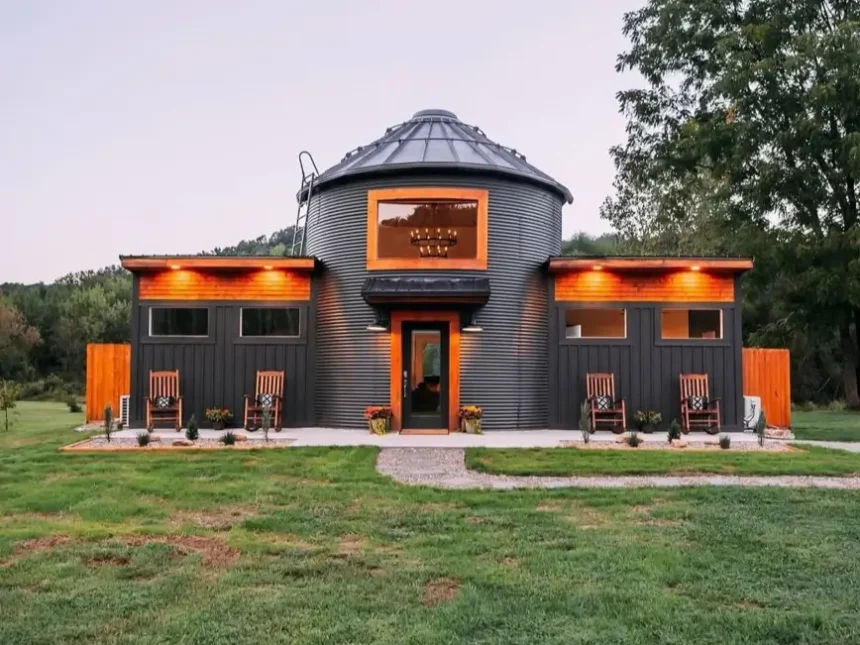

Have you ever driven through the countryside and seen those large, corrugated metal cylinders standing tall in the fields? Those are grain bins, used for storing agricultural harvests. But what if you could live in one? The concept of a grain bin house is transforming these rural icons into unique, stylish, and surprisingly cozy homes. This trend combines sustainability, affordability, and a distinct architectural flair that’s capturing the imagination of homebuyers across the country.
Living in a round home might seem unusual, but it offers a fresh perspective on residential design. From their durable construction to their eco-friendly potential, grain bin houses are more than just a novelty; they are a practical housing solution for the modern age. This guide will walk you through everything you need to know, from the initial concept to the finishing touches of your very own circular sanctuary.
Key Takeaways
- A grain bin house is a residential dwelling constructed from a new or repurposed steel grain silo.
- These homes are known for their durability, affordability, and unique aesthetic.
- Building a grain bin home involves specific challenges, including insulation, waterproofing, and interior layout planning.
- The cost can vary widely, but it is often more budget-friendly than traditional home construction.
- Proper planning, including permits and finding experienced contractors, is crucial for a successful project.
What Exactly is a Grain Bin House?
A grain bin house is a home built using one or more steel grain silos as the primary structure. These structures, also known as grain bins, are traditionally used on farms to store and protect harvested grain from the elements. Their cylindrical shape and strong corrugated steel walls make them incredibly sturdy and weather-resistant. The idea is to take this agricultural workhorse and convert it into a comfortable and functional living space.
The concept is part of the larger alternative housing movement, which includes tiny homes, shipping container homes, and barndominiums. People are drawn to these options for many reasons, including a desire for a more sustainable lifestyle, financial savings, and the appeal of living in a home that stands out. A grain bin house can be a single bin transformed into a cozy cabin or multiple bins connected to create a spacious, multi-room family home. The design possibilities are vast, allowing for creativity and personalization.
The Rise in Popularity
Why has the idea of living in a metal silo suddenly become so popular? A few key factors are driving this trend. First, there’s a growing interest in upcycling and sustainable living. Repurposing an old grain bin prevents it from becoming scrap metal and gives it a new, long-lasting purpose. Second, the cost of traditional housing continues to rise, pushing people to seek more affordable alternatives. A grain bin house project can often be completed for a fraction of the price of a conventional build.
Finally, the visual appeal is undeniable. The industrial-meets-rustic look of a grain bin home is unique and highly customizable. With the right design, the cold steel exterior can give way to a warm, inviting interior filled with natural light and modern amenities. As more stunning examples are shared online and on television, the fascination with the grain bin house continues to grow.
The Pros and Cons of Living in a Grain Bin House
Before you start sketching out floor plans for your dream silo home, it’s important to weigh the advantages and disadvantages. Like any unconventional building method, constructing a grain bin house comes with its own unique set of rewards and challenges.
Advantages of a Grain Bin Home
- Affordability: One of the biggest draws is the potential for cost savings. Used grain bins can be purchased for a few thousand dollars, and even new grain bin kits are relatively inexpensive compared to the cost of framing a traditional home. This leaves more of your budget for interior finishes and custom features.
- Durability and Strength: Grain bins are engineered to withstand extreme weather, from heavy snow loads to high winds. Their corrugated steel construction is resistant to rot, pests, and fire, making a grain bin house an incredibly durable and low-maintenance structure.
- Sustainability: Choosing to build with a repurposed grain bin is an eco-friendly decision. It’s a prime example of upcycling, giving an old structure new life and reducing landfill waste. They also have a smaller construction footprint compared to conventional homes.
- Unique Aesthetics: You’re guaranteed to have a home that doesn’t look like your neighbors’. The round shape and industrial exterior create a striking look that can be customized to fit rustic, modern, or eclectic styles.
Potential Challenges and Considerations
- Finding the Right Contractor: Not all builders have experience with metal structures, let alone converting a grain bin into a home. Finding a contractor who understands the specific challenges of a grain bin house project is essential for success.
- Insulation and Climate Control: Steel is an excellent conductor of heat, meaning it gets very hot in the summer and very cold in the winter. Proper insulation is non-negotiable. Spray foam insulation is often the best choice as it adheres directly to the curved metal walls, creating an airtight seal that prevents condensation and energy loss.
- Zoning and Building Permits: Navigating local building codes can be tricky. Since a grain bin house is an unconventional structure, you may face hurdles getting your plans approved. It’s crucial to speak with your local planning department early in the process.
- Interior Design and Layout: Designing a functional layout within a circular space requires creativity. Placing standard rectangular furniture can be awkward, and you may need to consider custom-built furniture or clever room divisions to make the space work.
|
Feature |
Pro |
Con |
|---|---|---|
|
Cost |
Generally lower than traditional construction. |
Hidden costs can arise from specialized labor. |
|
Durability |
Highly resistant to wind, pests, and fire. |
Can be prone to rust if not properly sealed. |
|
Construction |
Faster assembly of the main structure. |
Requires specialized skills for windows, doors, etc. |
|
Interior |
Offers a unique, open-concept feel. |
Curved walls make furniture placement challenging. |
|
Resale Value |
Unique homes can be highly desirable. |
May be harder to sell in some markets. |
How Much Does a Grain Bin House Cost?
The cost of building a grain bin house can vary dramatically based on size, location, finishes, and how much work you do yourself. However, it’s possible to break down the expenses into a few key categories to create a rough budget. While some DIY enthusiasts have built small cabins for under $20,000, a more realistic budget for a turnkey home with modern amenities will be higher.
A finished grain bin house can cost anywhere from $75 to $175 per square foot. This is often significantly less than the national average for a new traditional home, which can easily exceed $200 per square foot.
Breakdown of Key Expenses
1. The Grain Bin Itself
The starting point of your budget is the bin. The price depends on whether you buy new or used.
- Used Grain Bins: You can find used bins for as little as $1,000 to $5,000. However, they may have rust, dents, or lead-based paint that needs to be addressed. You’ll also need to factor in the cost of disassembly, transportation, and reassembly.
- New Grain Bin Kits: A new kit provides a pristine structure and peace of mind. Prices for new bins suitable for a home can range from $5,000 to over $25,000, depending on the diameter and height. These kits come with everything needed to erect the shell.
2. Foundation
Your grain bin house needs a solid foundation, just like any other home. A concrete slab is the most common choice. The cost for a foundation can range from $5,000 to $15,000, depending on the size of the bin and local labor rates.
3. Construction and Labor
This is one of the largest variables. If you have the skills to do much of the work yourself, you can save a considerable amount of money. If you hire a general contractor, labor costs will be a significant part of your budget. This includes:
- Erecting the bin.
- Cutting openings for doors and windows.
- Framing interior walls.
- Plumbing and electrical work.
- Insulation and drywall.
4. Interior and Exterior Finishes
This is where you can truly personalize your home, but it’s also where costs can add up quickly. Finishes include flooring, paint, kitchen cabinets, countertops, appliances, bathroom fixtures, lighting, and siding or exterior treatments. For those interested in the latest tech and home innovations, checking out resources like those on https://siliconvalleytime.co.uk/ can provide inspiration for modernizing your space.
Planning Your Grain Bin House Project: A Step-by-Step Guide
A successful grain bin house build is all about meticulous planning. Rushing into a project without a clear roadmap can lead to costly mistakes and major headaches. Follow these steps to ensure a smoother process from start to finish.
Step 1: Research and Design
Before you spend a dime, immerse yourself in research. Look at floor plans, browse galleries of completed projects, and decide on the size and style you want. Do you envision a single, open-plan bin or a larger home made of multiple connected bins?
Consider the layout carefully. How will you divide the circular space into functional rooms? Popular solutions include building a central rectangular core for bathrooms and utilities or using partial walls and furniture to create distinct zones. Sketch out your ideas and think about the flow of traffic, window placement for natural light, and where your furniture will go.
Step-2: Budgeting and Financing
Create a detailed budget that covers every anticipated expense, from the cost of the land to the final coat of paint. It’s wise to add a contingency fund of 15-20% to cover unexpected costs that will inevitably arise.
Securing a loan for an unconventional home like a grain bin house can be more challenging than for a traditional property. Some banks are hesitant to finance non-standard construction. You may have better luck with local credit unions or lenders who specialize in construction loans. Having a detailed set of professional blueprints and a solid budget will greatly improve your chances of getting approved.
Step 3: Finding Land and Checking Regulations
You can’t build your house without a place to put it. When searching for land, you must investigate local zoning laws and building codes. Not all areas permit alternative dwellings. Contact the county or municipal planning office to ask specific questions about building a grain bin house. You’ll need to know about setback requirements, minimum square footage, and any specific structural engineering requirements. Failing to do this can stop your project before it even starts.
Step 4: Hiring Professionals
Unless you’re an expert builder, you will need to assemble a team of professionals. This may include:
- An Architect or Designer: Someone who can turn your sketches into professional blueprints. Look for a designer with experience in non-traditional structures.
- A General Contractor: Find a builder who is excited about your project and, ideally, has experience working with steel buildings. Ask for references and look at their portfolio.
- An Engineer: A structural engineer may be required to sign off on your plans, ensuring the modified bin is safe and sound, especially after cutting holes for windows and doors.
Key Construction Phases for a Grain Bin House
Once the planning is done and the permits are in hand, the real fun begins. The construction process for a grain bin house has some unique steps compared to a typical home build.
Laying the Foundation
The first physical step is preparing the site and pouring the foundation. A monolithic concrete slab is a common choice, as it serves as both the foundation and the subfloor for your ground level. Plumbing and conduit for electrical wiring are often run through the slab before the concrete is poured. The anchor bolts that will secure the bin to the foundation are also set at this stage.
Assembling the Structure
If you bought a new kit, you’ll follow the manufacturer’s instructions to assemble the bin. This involves bolting the corrugated steel panels together, layer by layer. It’s like a giant, heavy-duty Erector Set. If you’re using a reclaimed bin, the process involves reassembling the pieces on your new foundation. This is a job that requires a crew and often a crane or other lifting equipment.
Cutting Openings and Framing
This is the stage where the metal shell starts to look like a house. Openings for windows and doors are carefully cut out of the steel walls. It is critical that these openings are properly reinforced with steel frames to maintain the structural integrity of the bin. Inside, wood or steel studs are used to frame the interior walls, creating the rooms you’ve planned. This is also when lofts or second floors are framed.
Sealing the Envelope: Insulation and Waterproofing
Creating a comfortable and energy-efficient grain bin house depends on properly sealing the building envelope.
- Insulation: Closed-cell spray foam insulation is the gold standard for grain bin homes. It’s sprayed directly onto the interior of the metal walls, where it expands to fill every crack and gap. This creates an airtight and watertight barrier that prevents condensation—a major enemy in a metal building.
- Waterproofing: All seams, bolt holes, and the base of the bin where it meets the foundation must be sealed with a high-quality industrial sealant to prevent leaks. Window and door openings also need to be carefully flashed and sealed.
Finishing the Interior and Exterior
With the “bones” of the house complete, the final phase involves bringing it to life. Electricians and plumbers will run wires and pipes through the newly framed walls. Drywall is hung, taped, and finished, hiding the insulation and creating smooth interior surfaces. Flooring, cabinets, and fixtures are installed.
On the outside, you can leave the galvanized steel look for an industrial vibe or cover it with siding, wood, or stucco. A roof is also a popular addition. While the original silo roof can be used, many people opt to build a more traditional pitched roof over the bin. This helps with water runoff and can create additional attic space.
Interior Design for a Round House
Decorating a circular space presents a fun design challenge. Standard furniture is designed for straight walls and 90-degree corners, so you’ll need to think outside the box.
- Embrace the Curves: Don’t fight the round walls. Use curved sofas or custom-built bookshelves that follow the shape of the room. A round dining table is a natural fit in a grain bin house.
- Create Zones: In an open-plan layout, use area rugs, furniture groupings, and lighting to define different functional areas like the living room, dining area, and kitchen.
- Go Custom: Custom-built furniture and storage solutions can be a great investment. Built-in benches, cabinets, and counters that are made to fit the curved walls will maximize your space and look seamless.
- Smart Kitchen Design: Galley kitchens or kitchens arranged along one wall work well. A curved island can become a stunning and practical centerpiece.
- Loft Living: Many grain bin homes feature a loft for the bedroom. This takes advantage of the bin’s height and keeps the main floor open and spacious. A spiral staircase is a perfect, space-saving way to access a loft.
Conclusion
The grain bin house represents a creative and compelling shift in residential architecture. It offers a path to homeownership that is often more affordable, sustainable, and personal than traditional options. By transforming a simple agricultural structure into a warm and modern home, owners can build a life that is truly their own, free from the constraints of conventional design.
While the journey to building a grain bin house has its unique challenges—from navigating building codes to designing for a circular space—the rewards are immense. The result is a durable, energy-efficient, and visually stunning home that tells a story of innovation and resourcefulness. For those willing to embrace the process, a grain bin home is more than just a place to live; it’s a testament to creative thinking and a beacon of alternative living.
Frequently Asked Questions (FAQ)
Q: Are grain bin houses safe?
A: Yes, when built correctly, they are extremely safe. Grain bins are engineered to withstand high winds and heavy loads. The key is to ensure that any modifications, like cutting windows and doors, are properly reinforced. Hiring a structural engineer to review your plans is highly recommended.
Q: Can you get a mortgage for a grain bin house?
A: It can be challenging, but it is possible. Traditional mortgage lenders may be hesitant. You’ll have more success with local banks, credit unions, or lenders who offer construction-to-permanent loans and have experience with non-traditional homes. Having professional blueprints and a detailed construction plan is crucial.
Q: How long does it take to build a grain bin house?
A: The timeline can vary widely. A simple DIY cabin might be built in a few months. A larger, contractor-built home can take anywhere from 6 to 12 months, similar to a conventional home build. The permitting and planning phase can often take several months before construction even begins.
Q: Do grain bin houses rust?
A: Grain bins are made of galvanized steel, which is coated with zinc to prevent rust. However, scratches, cuts, and drill holes can expose the raw steel. It is essential to treat any exposed metal with a rust-inhibiting primer and paint. Proper sealing and maintenance will ensure your grain bin house remains rust-free for decades.
Q: Are they energy efficient?
A: A grain bin house can be very energy efficient, but it all comes down to insulation. Because steel is a poor insulator, using high-quality closed-cell spray foam insulation is critical. This creates an airtight seal that prevents heat transfer and minimizes heating and cooling costs. Combined with energy-efficient windows and appliances, a grain bin home can be very green.