







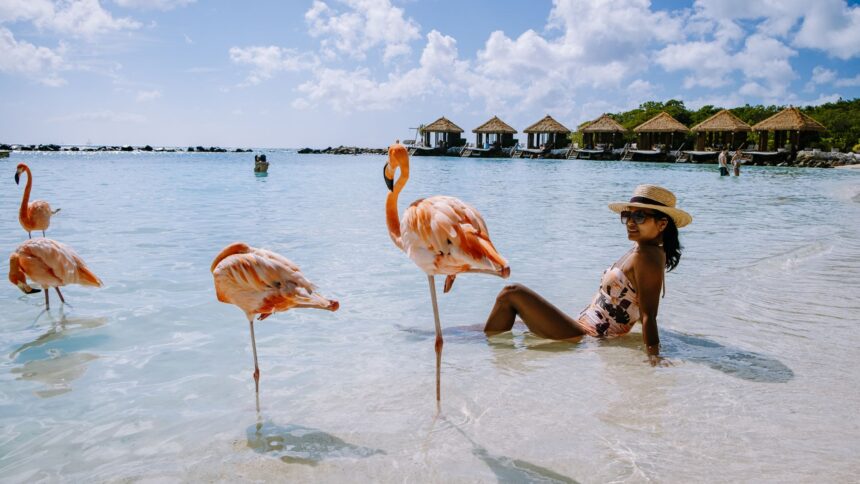

Welcome to Aruba, the “One Happy Island” where turquoise waters meet pristine white sands. This Caribbean gem offers a perfect blend of relaxation, adventure, and culture, making it an ideal destination for families, couples, and solo travelers alike. Whether you dream of lounging on world-famous beaches, exploring rugged desert landscapes, or immersing yourself in vibrant local life, you will find an incredible array of things to do in Aruba. This guide will walk you through the must-see attractions and hidden gems that make this island so special. From sun-soaked afternoons to thrilling water sports, get ready to discover why so many visitors return year after year.
Key Takeaways
- Beach Paradise: Aruba is home to world-renowned beaches like Eagle Beach and Palm Beach, perfect for sunbathing, swimming, and water sports.
- Natural Wonders: Explore the island’s unique desert-like interior at Arikok National Park, featuring caves, natural pools, and stunning coastal views.
- Water Adventures: The clear, calm waters are ideal for snorkeling and diving, with vibrant coral reefs and famous shipwrecks to discover.
- Cultural Exploration: Wander through the colorful streets of Oranjestad and San Nicolas to experience Aruban culture, art, and history.
- Family Fun: The island offers numerous family-friendly activities, from animal sanctuaries to calm, shallow beaches perfect for little ones.
Discover Aruba’s World-Class Beaches
When you think of Aruba, you likely picture its stunning beaches, and for good reason. The island’s coastline is dotted with stretches of soft, white sand and crystal-clear water, each offering a unique vibe. Finding the right beach is one of the most important things to do in Aruba for any visitor.
Relax on Eagle Beach
Often ranked among the best beaches in the world, Eagle Beach is a must-visit. Its wide, expansive shoreline means you’ll never feel crowded, even during peak season. This is the perfect spot to lay down a towel, relax under the shade of a Palapa, and listen to the gentle waves. The beach is also famous for its two iconic Fofoti trees, which have been shaped by the trade winds and are a popular photo spot. The calm, turquoise waters are ideal for swimming, and the soft sand is perfect for a long, leisurely walk. In the evening, Eagle Beach offers some of the most breathtaking sunsets on the island, painting the sky in brilliant shades of orange and pink.
Experience the Energy of Palm Beach
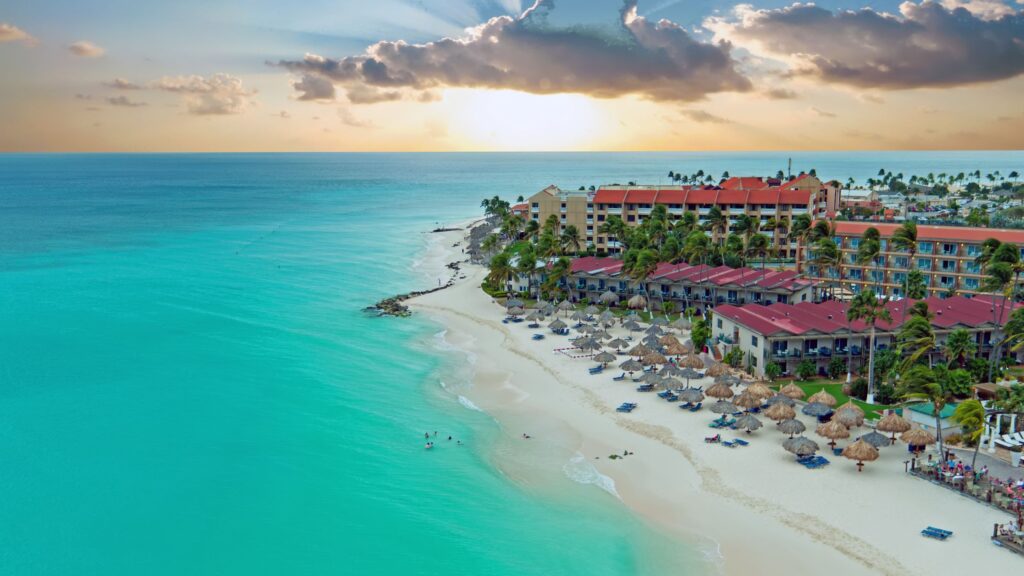
If you’re looking for a more lively atmosphere, Palm Beach is the place to be. This bustling 2-mile strip is lined with high-rise resorts, beach bars, restaurants, and water sports operators. The water here is incredibly calm, making it perfect for activities like paddleboarding, kayaking, and floating on a raft. You can easily spend an entire day here, transitioning from a sunbathing session to an exciting water adventure, followed by a delicious beachfront meal. The vibrant energy of Palm Beach makes it one of the top things to do in Aruba for those who want to be in the heart of the action.
Find Seclusion at Baby Beach
Located on the southern tip of the island near San Nicolas, Baby Beach is a paradise for families with young children. This beautiful half-moon bay has uniquely shallow and calm waters, so shallow that you can walk out for a long distance and the water will barely reach your knees. This makes it an incredibly safe and enjoyable spot for little ones to splash and play. It’s also a great place for beginner snorkelers, as the calm water allows for easy viewing of the colorful fish that gather near the reef. Pack a picnic, rent some snorkel gear, and enjoy a peaceful day at this family-friendly haven.
Explore the Rugged Beauty of Arikok National Park
Beyond the beaches, Aruba has a wild and untamed side waiting to be explored. Arikok National Park covers nearly 20% of the island and offers a dramatic landscape of desert terrain, cacti-studded hills, and a rugged coastline. Exploring this park is one of the most adventurous things to do in Aruba.
What to See in Arikok
Arikok National Park is a treasure trove of natural and historical sites. You can hike or drive through the park (a 4×4 vehicle is highly recommended) to discover its many wonders.
- Conchi (Natural Pool): This stunning rock formation on the windward coast creates a tranquil swimming hole protected from the crashing waves of the sea. It’s a popular spot for a refreshing dip after a bumpy ride to get there.
- Fontein Cave and Quadirikiri Cave: These limestone caves offer a glimpse into the island’s past. Fontein Cave is known for the Arawak Indian pictographs on its ceiling, while Quadirikiri Cave is famous for its two large chambers illuminated by natural sunlight streaming through holes in the roof.
- Dos Playa: This stunning location features two coves carved out of the limestone coast by the relentless waves. While swimming is not advised due to strong currents, it’s a breathtaking spot for photos and to witness the raw power of the ocean.
A visit to the park provides a completely different perspective on the island. The contrast between the serene beaches and the rugged, arid landscape of Arikok is remarkable and showcases the diversity of Aruba’s ecosystems.
Dive into Underwater Adventures
Aruba’s clear, warm waters are an open invitation to explore the vibrant marine world below the surface. Whether you are a seasoned diver or a first-time snorkeler, the underwater things to do in Aruba are simply unforgettable. The island’s strategic location in the southern Caribbean means it is outside the main hurricane belt, resulting in healthier coral reefs and consistently good visibility for underwater exploration.
Snorkeling Hotspots
You don’t need to be a certified diver to enjoy Aruba’s marine life. There are several fantastic snorkeling spots accessible right from the shore.
Malmok Beach and Catalina Cove
These neighboring areas on the northwestern coast are known for their shallow, calm waters and abundant fish. Just a few feet from the shore, you can find yourself surrounded by schools of blue parrotfish, yellowtail snapper, and sergeant majors. The gentle conditions make it an ideal location for beginners and families. Several catamaran tours also make stops here, allowing you to jump right in and explore.
Mangel Halto
For a slightly more advanced snorkeling experience, head to Mangel Halto. This unique spot features a dense network of mangrove trees leading to a calm, shallow bay. Just beyond the bay, a rich coral reef drops off, attracting a wider variety of marine life, including barracudas, octopuses, and moray eels. The combination of mangroves and reefs makes Mangel Halto a truly special place to explore.
World-Class Wreck Diving
Aruba is a premier destination for wreck diving, with several fascinating sites to explore. The most famous is the SS Antilla, a German cargo ship that was scuttled at the beginning of World War II. At 400 feet long, it is one of the largest shipwrecks in the Caribbean. Today, it rests in about 60 feet of water and is covered in coral and sponges, attracting a huge variety of marine life. Divers can explore the vast cargo holds and decks, which are now home to angelfish, moray eels, and lobsters. Exploring this historic site is a highlight for many certified divers looking for unique things to do in Aruba.
|
Popular Dive Sites |
Depth |
Highlights |
|---|---|---|
|
SS Antilla Wreck |
60 ft / 18 m |
Largest shipwreck in the Caribbean, abundant marine life. |
|
Pedernales Wreck |
30 ft / 9 m |
Oil tanker torpedoed by a German sub, great for beginners. |
|
Jane Sea Wreck |
90 ft / 27 m |
A 250-foot cement freighter, for advanced divers. |
|
Airplane Wrecks |
40-80 ft |
Two intentionally sunk airplanes creating artificial reefs. |
Immerse Yourself in Aruban Culture and History
To truly experience the island, take some time away from the water to explore its vibrant culture and rich history. From the colorful architecture of its capital to the artistic spirit of its southern city, there are many cultural things to do in Aruba.
Wander Through Downtown Oranjestad
Oranjestad, Aruba’s capital, is a charming city with a unique blend of old-world charm and modern flair. The most striking feature is its beautifully preserved Dutch colonial architecture, painted in bright pastel colors. Take a stroll along the main street and admire the intricate facades and gabled roofs. The city is also a hub for shopping, with a mix of luxury brands, local boutiques, and souvenir shops. A great way to see the downtown area is by hopping on the free, eco-friendly streetcar that loops through the main commercial areas. For a deeper dive into local trends, you might find interesting insights on platforms like https://siliconvalleytime.co.uk/ that discuss global and local dynamics.
Discover the Art Scene in San Nicolas
Known as the “Sunrise City,” San Nicolas on the island’s southern end has transformed into a vibrant hub for art and culture. What was once a quiet town is now an open-air gallery, thanks to the work of local and international artists. The streets are adorned with massive, colorful murals that tell stories of Aruba’s culture and heritage. You can take a guided art tour to learn about the meaning behind each piece and the artists who created them. This focus on public art has revitalized the city and created one of the most inspiring things to do in Aruba.
Unforgettable Family-Friendly Activities
Aruba is an exceptionally family-friendly destination, with plenty of activities to keep travelers of all ages entertained. The island’s safe environment and welcoming locals make it an easy and enjoyable place to travel with children.
Visit the Philip’s Animal Garden
For a fun and educational experience, spend a few hours at Philip’s Animal Garden. This non-profit organization provides a sanctuary for exotic animals that have been rescued or are unable to be cared for by their owners. Here, you and your kids can get up close with a variety of animals, including monkeys, kangaroos, camels, and colorful birds. The sanctuary’s mission is focused on rescue and rehabilitation, and your visit helps support their important work. It’s a heartwarming and engaging activity for the whole family.
Climb the California Lighthouse
Located on the northern tip of the island, the California Lighthouse offers one of the best panoramic views of Aruba. Named after the S.S. California, which sank nearby, this historic landmark stands as a silent sentinel over the island’s western coastline. You can climb the stairs to the top for a breathtaking 360-degree view of the turquoise sea on one side and the rugged, arid landscape on the other. The view is particularly spectacular at sunset. It’s a great photo opportunity and a fun little adventure for families.
Conclusion
Aruba truly is the “One Happy Island,” offering an incredible variety of experiences packed into one small Caribbean paradise. From its world-famous beaches like Eagle and Palm Beach to the rugged, adventurous terrain of Arikok National Park, there is something for every type of traveler. You can spend your days diving among historic shipwrecks, exploring colorful city streets, or simply relaxing by the crystal-clear sea.
The wide range of things to do in Aruba ensures that your vacation can be as action-packed or as tranquil as you wish. With its warm, welcoming culture and stunning natural beauty, Aruba promises a memorable escape that will leave you wanting to return. For more information on the island’s history and geography, you can explore resources like Wikipedia.
Frequently Asked Questions (FAQ)
Q1: What is the best time of year to visit Aruba?
A1: Aruba is a great year-round destination thanks to its location outside the hurricane belt and consistently warm weather. The peak season is from December to April when the weather is slightly cooler and drier. For lower prices and fewer crowds, consider visiting between May and November.
Q2: Do I need a car to get around Aruba?
A2: While taxis and public buses are available, renting a car gives you the most flexibility to explore the island at your own pace. A 4×4 vehicle is recommended if you plan on visiting remote areas like the Natural Pool in Arikok National Park.
Q3: What currency is used in Aruba?
A3: The official currency is the Aruban Florin (AWG), but US dollars are widely accepted everywhere, including at shops, restaurants, and hotels. You will often receive change in Florins.
Q4: Is Aruba a safe destination for tourists?
A4: Yes, Aruba is known for being one of the safest islands in the Caribbean. However, it’s always wise to take standard precautions, such as locking your car and hotel room and not leaving valuables unattended on the beach.
Q5: What language is spoken in Aruba?
A5: The official languages are Dutch and Papiamento, a local Creole language. However, English and Spanish are also widely spoken, especially in tourist areas, so communication is rarely an issue for visitors.



