







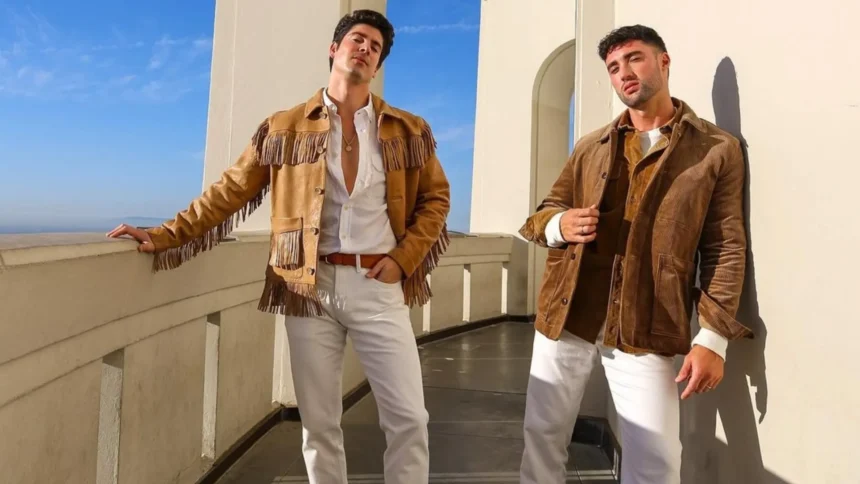

In a world of fast fashion, there’s a growing movement that looks to the past for inspiration. Vintage fashion is more than just old clothes; it’s about craftsmanship, history, and individual style. Leading this charge are the UK men’s vintage fashion influencers, a group of creators who masterfully blend classic pieces into modern wardrobes. They prove that style is timeless and that a well-chosen vintage item can make a powerful statement. Whether you’re a seasoned collector or just starting to explore second-hand style, these influencers offer a wealth of inspiration. They show us how to find, style, and care for garments from bygone eras, making sustainable fashion look effortlessly cool.
Key Takeaways
- Timeless Appeal: Vintage fashion offers a unique way to express personal style that stands out from mainstream trends.
- Influencer Impact: UK men’s vintage fashion influencers are key figures in making retro styles accessible and popular for a modern audience.
- Era-Specific Styles: Different decades, from the roaring ’20s to the rebellious ’90s, offer distinct aesthetics that can be mixed and matched.
- Sustainability: Choosing vintage is an eco-friendly choice that reduces waste and promotes a circular fashion economy.
- Finding Gems: Learning where to shop, from curated boutiques to online marketplaces, is the first step to building a vintage wardrobe.
Why Follow UK Men’s Vintage Fashion Influencers?
In the ever-changing landscape of social media, UK men’s vintage fashion influencers have carved out a unique and important niche. They act as curators, historians, and style guides all in one. Following them provides a direct line to expert advice on everything from identifying the era of a jacket to learning how to repair a pair of vintage trousers. These creators demystify the world of second-hand shopping, which can often feel overwhelming. They highlight incredible finds, share the stories behind their favorite pieces, and demonstrate how to incorporate vintage items into your everyday look without appearing like you’re wearing a costume. More than just fashion, they promote a more thoughtful and sustainable approach to building a wardrobe, encouraging their followers to invest in quality pieces that last.
The Rise of Vintage Style in Men’s Fashion
The interest in vintage menswear isn’t new, but it has exploded in popularity over the last decade. There are several reasons for this resurgence. First, there’s a growing desire for authenticity and individuality. In a market saturated with identical fast-fashion items, vintage clothing offers a way to own something truly unique with its own history. Second, sustainability has become a major consideration for many shoppers. The fashion industry is one of the world’s biggest polluters, and buying second-hand is a direct way to combat this. It extends the life of a garment and reduces the demand for new production. Finally, the quality of older clothing is often superior. Garments made decades ago were built to last, using durable materials and construction techniques that are rare in today’s clothing.
What Makes British Vintage Style Unique?
British style has always had a distinct character, and its vintage scene is no exception. It’s a rich tapestry woven from different subcultures and historical periods. Think of the sharp tailoring of Savile Row, the rugged functionality of military and workwear, and the rebellious spirit of punk and mod culture. This diversity is what makes it so exciting. The UK men’s vintage fashion influencers are experts at navigating this history, drawing inspiration from different eras to create looks that feel both classic and contemporary. From a heritage tweed jacket to a ’70s-era football shirt, British vintage offers a wide spectrum of styles to explore.
Top UK Men’s Vintage Fashion Influencers to Follow
While the scene is full of incredible talent, a few names consistently stand out for their impeccable style and deep knowledge. These influencers have built dedicated followings by sharing their passion for vintage clothing.
Stalwarts of Classic Tailoring
This group of influencers focuses on the timeless elegance of classic menswear. They champion well-made suits, blazers, and overcoats, often from the 1930s to the 1960s. Their feeds are a masterclass in proportion, fabric, and fit. They show how a perfectly tailored vintage suit can be more stylish and impactful than any modern equivalent. These creators often provide educational content, explaining the nuances of different tailoring traditions and how to identify high-quality construction. They remind us that true style is about quiet confidence and attention to detail.
Champions of Workwear and Military Surplus
At the other end of the spectrum are the influencers who celebrate the rugged appeal of vintage workwear and military clothing. They showcase the beauty in functional, durable garments designed for hard use. Think French chore coats, American denim, and British army jackets. These creators are masters of layering and creating practical, stylish outfits that are built to last. Following them is a great way to learn about durable fabrics like canvas, moleskin, and herringbone twill. They prove that practical clothing can also be incredibly fashionable, and their influence has been instrumental in the mainstream popularity of these styles.
How Influencers Define Vintage Eras
Each decade has its signature style. Part of the fun of following UK men’s vintage fashion influencers is seeing how they interpret and modernize these different looks.
The Dapper Decades: 1920s-1950s
This period is known for its elegance and sharp silhouettes. Influencers who favor this era often sport high-waisted trousers, spearpoint-collar shirts, and beautifully draped jackets. The 1940s, with its wartime restrictions, introduced a more utilitarian look that is also popular. These creators pay close attention to historical accuracy but also show how to integrate these pieces into a modern context. For instance, they might pair wide-leg 1930s trousers with a simple, modern t-shirt.
The Rebellious Years: 1960s-1970s
The ’60s and ’70s were a time of major social and cultural change, and the fashion reflected this. From the sharp suits of the Mods to the flamboyant styles of the hippies, there’s a lot to draw from. Influencers focusing on this period play with bold patterns, vibrant colors, and unique silhouettes like flared trousers and dagger collars. They embrace the fun and freedom of these decades, showing how a little bit of ’70s flair can bring personality to any outfit.
The Modern Vintage: 1980s-1990s
The ’80s and ’90s are now firmly in the “vintage” category, and their influence is everywhere. Think bold shoulder pads, colorful sportswear, oversized sweatshirts, and baggy denim. Influencers who love this era have a more casual, street-style-inflected look. They are experts at mixing high and low, pairing a vintage band t-shirt with designer trainers or a retro tracksuit with a classic overcoat. This approach is highly accessible and shows how vintage can be integrated into even the most contemporary wardrobe.
Where to Find Your Own Vintage Treasures
Inspired by the UK men’s vintage fashion influencers? The next step is to start building your own collection. Finding great vintage pieces is a treasure hunt, and knowing where to look is key.
|
Venue Type |
Pros |
Cons |
|---|---|---|
|
Charity Shops (Thrift Stores) |
Very low prices, supports good causes. |
Inconsistent stock, requires a lot of searching. |
|
Curated Vintage Boutiques |
High-quality, clean, well-organized items. |
Higher price point. |
|
Online Marketplaces (eBay, Etsy) |
Massive selection, can find specific items. |
Can’t try on, risk of fakes or poor condition. |
|
Vintage Kilo Sales |
Can get a lot of clothing for a low price. |
Quality varies, can be chaotic and crowded. |
|
Flea Markets & Car Boot Sales |
Potential for amazing bargains, fun atmosphere. |
Weather-dependent, hit-or-miss selection. |
Tips for Shopping Vintage
- Check the Condition: Look carefully for stains, holes, or missing buttons. Check seams and zippers to ensure they are secure.
- Know Your Measurements: Vintage sizing is very different from modern sizing. Don’t rely on the label; know your chest, waist, and inseam measurements.
- Don’t Be Afraid of Alterations: A good tailor can work wonders on a vintage piece. Don’t pass up a great item just because the fit isn’t perfect.
- Have an Open Mind: The best vintage finds often happen when you’re not looking for anything specific. Be open to trying on different styles and eras.
The Sustainable Side of Vintage Fashion
One of the most compelling reasons to embrace vintage fashion is its positive environmental impact. The fashion industry is resource-intensive, but choosing second-hand helps mitigate some of that damage. When you buy a vintage garment, you are extending its lifespan and keeping it out of a landfill. This reduces waste and decreases the carbon, water, and chemical footprint associated with producing new clothes. Many UK men’s vintage fashion influencers are passionate advocates for this side of the industry. As noted in articles on platforms like Silicon Valley Time, conscious consumerism is on the rise. These influencers show that you can build a stylish, unique, and high-quality wardrobe while also making a choice that is better for the planet.
Conclusion
The world of vintage menswear is rich, diverse, and full of incredible style potential. The UK men’s vintage fashion influencers are the perfect guides for this world, offering endless inspiration and practical advice. They show us that fashion can be sustainable, personal, and deeply connected to history. By celebrating clothes with a past, they are shaping a more thoughtful future for fashion. Whether your taste leans toward classic tailoring, rugged workwear, or ’90s streetwear, there is an influencer and a vintage style out there for you. So dive in, explore the different eras, and start your own journey into the timeless world of vintage fashion.
Frequently Asked Questions (FAQ)
Q1: How do I start building a vintage wardrobe?
Start small. Don’t try to replace your entire wardrobe at once. Begin with one or two key pieces that you love and that can be easily integrated with your existing clothes. A vintage jacket, a great pair of jeans, or a classic piece of knitwear are all excellent starting points.
Q2: Is vintage clothing expensive?
It can be, but it doesn’t have to be. While rare or designer vintage pieces can be very pricey, you can find amazing, affordable items in charity shops, flea markets, and online. The key is to be patient and enjoy the hunt. Remember that you are often paying for quality that would cost much more if produced today.
Q3: How do I care for vintage clothing?
Care instructions depend on the fabric and age of the garment. As a general rule, be gentle. Hand-wash delicate items in cold water and lay them flat to dry. For sturdy items like denim or workwear, a gentle machine cycle is usually fine. For tailored items like suits and coats, always use a professional dry cleaner who has experience with vintage clothing.
Q4: How can I tell if an item is truly vintage?
Identifying true vintage takes practice. Look at the labels, zippers, buttons, and construction. Union labels in American clothing or specific brand tags can help date a piece. Zippers made of metal are often a sign of an older garment. Over time, as you follow more UK men’s vintage fashion influencers and handle more clothing, you will develop an eye for it.
Q5: Can I mix vintage with modern clothing?
Absolutely! In fact, this is how most people wear vintage. Mixing old and new is the best way to make vintage feel relevant and personal. A vintage blazer with modern jeans and trainers, or a retro shirt with contemporary trousers, creates a balanced and stylish look.



