




Key Takeaways
- Understanding the Term: Learn exactly what “sadistic beauty” refers to in the context of fiction and art.
- Cultural Impact: Discover how this theme influences modern storytelling, particularly in manhwa and webtoons.
- Psychological Depth: Explore why audiences are drawn to darker, more intense narratives involving power dynamics.
- Artistic Expression: See how artists use visual contrast to depict themes of pain and allure simultaneously.
Have you ever stumbled upon a story or a piece of art that felt a little dangerous but was impossible to look away from? That is often the initial feeling when people encounter the concept of sadistic beauty. It sounds like a heavy term, but in the world of fiction, literature, and visual arts, it represents a specific style of storytelling that mixes intense emotions with captivating visuals. It isn’t about real-life harm; rather, it is a way authors and artists explore complex human feelings like obsession, power, and resilience through characters who are larger than life.
When we talk about this topic, we aren’t just discussing a single book or image. We are looking at a whole genre that challenges readers to think about the fine line between love and control. Whether you are a fan of dramatic webtoons or just curious about why these darker themes are so popular right now, this guide will walk you through the fascinating layers of sadistic beauty in a way that is easy to understand and safe to explore.
Defining Sadistic Beauty in Modern Fiction
The term sadistic beauty might sound contradictory at first. How can something be “sadistic” (involving the enjoyment of inflicting pain) and “beautiful” at the same time? In the realm of fiction, this phrase usually describes a specific aesthetic or narrative style. It often involves characters who are incredibly attractive but possess a cruel or dominant streak. This contrast creates a dramatic tension that keeps readers hooked. It is the classic “bad boy” or “femme fatale” trope turned up to eleven, where the stakes are higher and the emotions are more volatile.
In modern storytelling, especially in genres like romance thrillers or dark fantasy, this concept serves as a powerful plot device. It allows writers to create scenarios where the protagonist must navigate a relationship that is fraught with danger. The “beauty” part comes from the art style—lush illustrations, fashionable characters, and elegant settings—while the “sadistic” element comes from the emotional rollercoaster the characters endure. It is a fictional space where readers can safely explore intense power dynamics without real-world consequences.
The Rise of Manhwa and Webtoons
One of the biggest reasons you might be hearing about sadistic beauty lately is the explosion of popularity in manhwa (Korean comics) and webtoons. These digital comics have taken the world by storm, offering stories that are visually stunning and emotionally gripping. Within this medium, titles that explore darker romantic themes have found a massive audience. Readers scroll through episodes on their phones, captivated by the intricate art and the cliffhanger endings that leave them desperate for more.
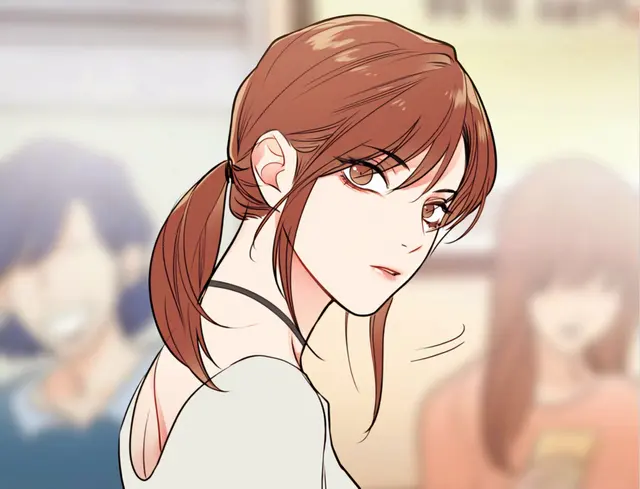
The visual nature of manhwa makes it the perfect vehicle for this theme. Artists can use color, shadow, and expression to convey the duality of a character who is both frightening and mesmerizing. A character might be drawn with sharp, angular features and cold eyes to show their dominant side, yet in the next panel, they might show a glimpse of vulnerability. This visual storytelling helps the audience understand that sadistic beauty is often a mask for deeper, more complex character motivations, making the reading experience incredibly immersive.
Why Are We Drawn to Darker Themes?
It is a question psychologists and literary critics have asked for decades: why do we love stories that hurt? The appeal of sadistic beauty lies in the safety of fiction. In a story, we can experience fear, anxiety, and the thrill of danger while sitting comfortably on our couch. It is similar to why people ride rollercoasters or watch horror movies. The adrenaline rush is real, but the threat is not. These stories allow us to process difficult emotions like control and vulnerability in a controlled environment.
Furthermore, these narratives often provide a form of catharsis. Watching a character endure hardship and eventually find their strength—or watching a cruel character learn to love—is deeply satisfying. The theme of sadistic beauty often plays with the idea of redemption. Readers stick around because they want to see if the “beast” can be tamed, or if the beauty can survive the beast. It taps into very old fairy tale archetypes, like “Beauty and the Beast,” but twists them for a modern, more mature audience who wants to see the darker side of “happily ever after.”
The Role of Art Style in Sadistic Beauty
The artwork plays a crucial role in how we perceive these stories. If the art were ugly or messy, the “beauty” part of the equation would fail. Artists who specialize in sadistic beauty are masters of aesthetics. They pay close attention to fashion, lighting, and anatomy. The characters are often drawn to be idealized versions of humanity—tall, slender, and impossibly good-looking. This visual perfection acts as a lure, drawing the reader in before the darker plot elements are revealed.
- Sharp Lines: Often used to denote danger or cruelty.
- Soft Lighting: Used deceptively to mask a character’s true nature.
- Detailed Eyes: The eyes are often the most expressive part, showing the conflict within.
This attention to detail creates a jarring disconnect for the viewer. You look at a panel and think, “This is gorgeous,” while simultaneously reading dialogue that is tense or threatening. This cognitive dissonance—holding two conflicting ideas at once—is exactly what makes the genre so memorable. It forces the reader to pay attention and engage with the story on a deeper level than they might with a standard romance or comedy.
Character Archetypes You Will Meet
|
Archetype |
Description |
Role in Story |
|---|---|---|
|
The Cold Prince/Princess |
Beautiful but emotionally frozen and cruel. |
Usually the love interest who needs “thawing.” |
|
The Resilient Flower |
Seemingly fragile but possesses inner steel. |
The protagonist who endures the drama. |
|
The Manipulator |
Uses beauty as a weapon to control others. |
Often the villain or a complex anti-hero. |
|
The Obsessive Protector |
Their love crosses the line into control. |
Creates tension and conflict in relationships. |
Analyzing Power Dynamics in Fiction
At the heart of any story featuring sadistic beauty is a struggle for power. It is rarely a relationship of equals, at least not in the beginning. One character usually holds all the cards—whether it is financial power, social status, or physical strength—while the other is at a disadvantage. The narrative arc usually involves shifting these scales. The “weaker” character must find a way to level the playing field, often by using their wits or emotional intelligence to disarm the dominant character.
This power struggle is fascinating to watch because it mirrors, in an exaggerated way, the negotiations we all do in relationships. Who decides where we eat dinner? Who compromises more? In fiction, these questions become life-or-death struggles or intense emotional battles. By exploring sadistic beauty, authors can comment on the nature of authority and submission. It prompts the reader to ask: Is love possible without equality? Can a relationship survive if one person holds too much power? These are deep questions wrapped in entertaining packages.
The Fine Line Between Fascination and Toxic Tropes
It is important to acknowledge that the genre of sadistic beauty can sometimes be controversial. Critics argue that these stories romanticize toxic behavior. And to some extent, they are right. If these behaviors happened in real life, they would be huge red flags. However, fans of the genre generally understand the distinction between fantasy and reality. They enjoy the fiction precisely because it is not real life. It is a “safe” toxicity that can be closed like a book or a browser tab.
Responsible storytelling within this genre often addresses this toxicity head-on. The best stories don’t just glamorize the cruelty; they show the consequences of it. Characters who exhibit sadistic beauty often suffer for their actions or are forced to change significantly to achieve a happy ending. This nuance is key. It transforms the story from a simple glorification of bad behavior into a character study about growth, redemption, and the hard work required to build a healthy relationship out of a broken one.
Sadistic Beauty in Fashion and Photography
The concept extends beyond just books and comics; it is also a staple in high fashion and photography. Think of fashion editorials that feature models with severe, almost angry expressions, wearing restrictive clothing like corsets or high heels that look painful to walk in. This is a visual representation of sadistic beauty. It suggests that beauty requires sacrifice, or that there is a certain allure in suffering for the sake of aesthetics.
Photographers often capture this by using stark lighting and sharp contrasts. They might pose a model in a way that looks uncomfortable but creates a striking silhouette. The viewer is invited to admire the image while acknowledging the edge of pain or coldness present. It creates an image that is “cool” and distant, rather than warm and inviting. This aesthetic is frequently used by luxury brands to create a sense of exclusivity and power. It tells the consumer that this beauty is not for everyone; it is for those who are strong enough to handle it.
Psychological Concepts Behind the Appeal
- Hybristophilia: The attraction to those who commit crimes or dangerous acts (in a safe, fictional context).
- Catharsis: Releasing strong or repressed emotions through art.
- Curiosity: The human desire to understand the “dark side” of nature.
- Shadow Work: Exploring one’s own darker impulses through safe projection onto characters.
How Creators Build Tension

Writers and artists use specific techniques to keep the tension high in stories revolving around sadistic beauty. One common method is the “push-and-pull” dynamic. The dominant character pushes the protagonist away with cruelty, only to pull them back in with a moment of kindness or vulnerability. This intermittent reinforcement is psychologically addictive, both for the character and the reader. It keeps everyone guessing about what will happen next.
Another technique is the use of cliffhangers. Because these stories are often serialized (released in chapters), creators need to ensure readers come back. Ending a chapter on a moment where the “sadistic” element is at its peak—perhaps a betrayal or a shocking revelation—guarantees engagement. Yet, they balance this by promising the “beauty”—a romantic resolution or a stunning visual sequence—in the future. It is a carefully calibrated balancing act that requires a deep understanding of pacing and audience psychology.
Comparing Eastern vs. Western Interpretations
While sadistic beauty is a universal concept, it is portrayed differently across cultures. In Western media, particularly in Hollywood or American novels, the “dark lover” is often redeemed quickly or is shown to have a heart of gold from the start. The rough edges are sanded down to make the character more palatable to a general audience. The focus is often on the action or the external plot, with the dark romance serving as a subplot.
In Eastern media, particularly in Korean manhwa and Japanese manga, creators are often willing to take the concept much further. They are not afraid to let a character be truly unlikable or cruel for a long time before redemption begins. The aesthetic of sadistic beauty is also more stylized in Eastern media, with a heavy emphasis on visual symbolism—flowers, chains, blood, and tears are recurring motifs that carry specific meanings. This willingness to embrace the extremes of emotion and aesthetics is part of what has made manhwa so popular globally in recent years.
The Evolution of the “Villain” Protagonist
We are living in the era of the villain. From movies like “Joker” to “Maleficent,” audiences are increasingly interested in the bad guys. Sadistic beauty fits perfectly into this trend. It allows the villain—or at least, the morally gray character—to take center stage. These characters are often more complex and interesting than traditional heroes. They have flaws, they make mistakes, and they have dark impulses that they struggle to control.
This shift changes how we view beauty in fiction. It is no longer equated solely with goodness and purity. Beauty can be dangerous, sharp, and deceptive. This complexity makes stories richer. When a character who embodies sadistic beauty finally shows kindness, it feels earned and significant because it contrasts so sharply with their usual behavior. It validates the idea that everyone, no matter how damaged, has the capacity for change, which is a compelling message for readers of any age.
Navigating Mature Themes Responsibly
For younger readers or those new to the genre, it is important to navigate these themes with a critical eye. While the stories are entertaining, they are fiction. Recognizing the difference between a “story romance” and a “real-life healthy relationship” is a crucial skill. Parents and educators can use these stories as starting points for conversations about respect, consent, and healthy boundaries.
If you are exploring sadistic beauty in fiction, check the content warnings. Many webtoons and novels are excellent at tagging their content so readers know what to expect. This allows you to curate your reading experience. You can enjoy the drama and the aesthetic without stumbling into content that might be too intense for your personal taste. Being an informed reader makes the experience much more enjoyable and ensures that the “sadistic” elements remain thrilling rather than distressing.
The Impact on Fan Communities
Fan communities surrounding these titles are incredibly active and creative. You will find fan art, fan fiction, and detailed theories analyzing every glance and line of dialogue. The ambiguity of sadistic beauty fuels this creativity. Because the characters’ true feelings are often hidden behind a mask of cruelty or indifference, fans love to fill in the blanks. They create alternate universes where the characters are happier, or they write analyses explaining why a character acted a certain way.
This engagement shows that these stories are not just passive entertainment; they are puzzles to be solved. Fans bond over their shared love (and sometimes frustration) with the characters. They debate whether a character deserves redemption or if the protagonist should just walk away. This communal aspect adds another layer of enjoyment to the genre. It turns reading into a social activity where you can share your reactions to the latest twist in the saga of sadistic beauty.
Finding the Best Content in the Genre
If you are interested in diving into this world, where should you start? Look for highly-rated series on major webtoon platforms or book review sites. Reviews are your best friend here. Other readers will often mention if a story leans heavily into sadistic beauty. Look for keywords like “enemies to lovers,” “dark romance,” “psychological thriller,” or “obsessive love.”
Keep an open mind but trust your instincts. If a story feels too dark, it is okay to stop. There is a wide spectrum within the genre. Some stories are lighthearted rom-coms with just a hint of edge, while others are deep psychological dives into trauma and obsession. Finding the right balance for you is part of the journey. There is a wealth of content out there, and exploring the aesthetic of sadistic beauty can lead you to some of the most visually stunning and emotionally gripping stories being told today.
Conclusion: Embracing the Complex
The world of sadistic beauty is a testament to our love for complex storytelling. We aren’t always looking for simple, happy stories where everyone is nice. Sometimes, we want to explore the shadows. We want to see characters who struggle, who hurt, and who are beautifully imperfect. This genre offers a safe harbor to explore these intense emotions, wrapped in gorgeous art and compelling narratives.
Whether you are analyzing the psychological depth of a manhwa protagonist or simply admiring the sharp aesthetic of a fashion editorial, understanding this concept enriches your appreciation of modern media. It reminds us that beauty isn’t always soft, and stories don’t always have to be gentle to be good. So, the next time you encounter a character who is equal parts terrifying and mesmerizing, you will know exactly what you are looking at.
For more insights into modern culture and trends, visit Silicon Valley Time.
Frequently Asked Questions (FAQ)
Q: Is sadistic beauty a specific genre?
A: It is more of a theme or aesthetic than a strict genre. You can find it in romance, fantasy, thrillers, and even horror. It describes a specific style of character dynamic and visual presentation.
Q: Are these stories appropriate for everyone?
A: Not always. Because they deal with darker themes like power and control, they are often rated for older teens or adults. Always check the age rating and content warnings before diving in.
Q: Why is the term “beauty” used if the themes are dark?
A: The “beauty” refers to the aesthetic quality. The art is often beautiful, the characters are attractive, and the storytelling is elegant, even if the subject matter involves cruelty or pain.
Q: Is this related to “sadistic personality disorder”?
A: No, in the context of fiction and art, sadistic beauty is a creative trope, not a medical diagnosis. It is a storytelling device used to create drama and tension.
Q: Where can I find stories with this theme?
A: Digital comic platforms (webtoons), romance novels (specifically dark romance), and anime are the most common places to find this theme explored in depth.
For further reading on the definitions and history of similar concepts, you can check out this Wikipedia entry on Sadistic personality disorder which provides context on the psychological terms often borrowed by fiction writers to create sadistic beauty archetypes.