





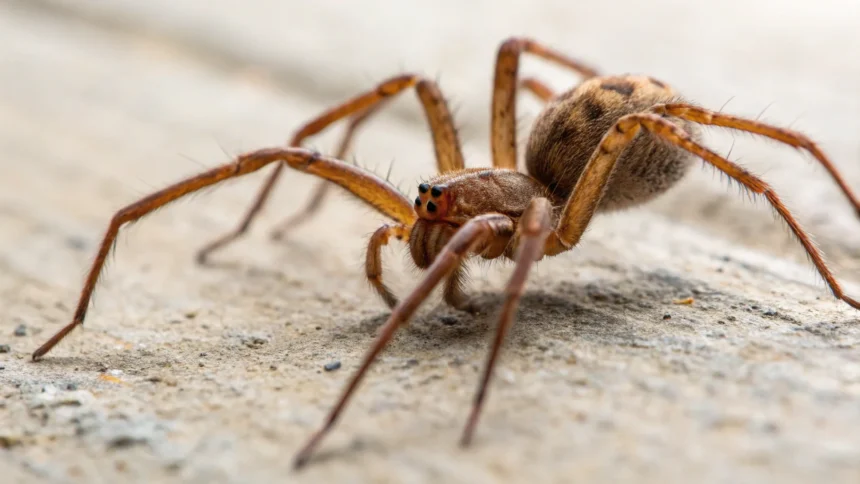

The world of spiders is vast and fascinating, but few names inspire as much caution as the brown recluse. Often misunderstood and frequently misidentified, this spider has a reputation that precedes it. This guide is here to provide clear, factual information about the brown recluse, helping you understand its habits, appearance, and what to do if you encounter one. We will explore everything from its unique violin-shaped marking to the realities of its bite, separating myth from reality. Our goal is to replace fear with knowledge, empowering you to safely coexist with the wildlife around you, including this reclusive arachnid.
Key Takeaways
- Identification is Key: The most reliable way to identify a brown recluse is by its six eyes arranged in pairs and the distinct, violin-shaped marking on its back.
- They Aren’t Aggressive: As their name suggests, these spiders are reclusive and non-aggressive. Bites are a last resort, typically occurring when the spider is pressed against the skin.
- Habitat Matters: Brown recluse spiders prefer dark, undisturbed, and dry locations like woodpiles, sheds, closets, and basements.
- Bite Severity Varies: Most brown recluse bites are minor and heal without medical intervention. However, a small percentage can become necrotic, requiring professional medical care.
- Prevention is Better Than Cure: The best way to avoid an encounter is through preventative measures like sealing cracks, reducing clutter, and being cautious when handling stored items.
What is a Brown Recluse Spider?
The brown recluse spider, scientifically known as Loxosceles reclusa, is a species of venomous spider renowned for its potentially harmful bite. Despite its infamous reputation, this spider is generally timid and avoids human contact whenever possible. The term “recluse” perfectly describes its nature—it prefers to stay hidden and out of sight. Native to the United States, its primary range is concentrated in the central and southern states, including Texas, Oklahoma, Missouri, and Kansas.
Understanding the brown recluse means looking beyond the scary stories. This spider plays a role in its ecosystem by preying on other small insects and arthropods, helping to control pest populations. It is not an aggressive hunter that seeks out humans to bite. Instead, it is a shy creature that builds irregular, off-white webs in quiet corners. Bites are almost exclusively a defensive reaction. Knowing these fundamental facts is the first step toward accurately assessing the risk they pose and learning how to coexist with them safely.
The Science Behind the Name: Loxosceles reclusa
The scientific name Loxosceles reclusa offers clues about the spider’s characteristics. The genus name, Loxosceles, is derived from Greek words meaning “slanted legs,” which refers to the way these spiders hold their legs in a somewhat splayed-out, sloping posture at rest. This leg orientation is a subtle but consistent trait among spiders in this genus.
The species name, reclusa, is Latin for “secluded” or “withdrawn,” directly translating to its common name, “recluse.” This name was chosen due to the spider’s strong preference for solitude and its tendency to hide in dark, undisturbed places. Unlike spiders that build large, ornate webs in open areas to catch prey, the brown recluse actively shuns the spotlight. It spends its days in hiding and becomes more active at night, when it leaves its retreat to hunt for food. This reclusive behavior is central to its identity and is the primary reason why encounters with humans are relatively uncommon, even in areas where the spider is abundant.
How to Identify a Brown Recluse
Correctly identifying a brown recluse is crucial, as many harmless brown spiders are often mistaken for it. There are several key features to look for, but the most definitive ones require a close look. The most famous characteristic is the dark, violin-shaped marking on its cephalothorax (the fused head and thorax). The “neck” of the violin points toward the spider’s abdomen. While this mark is a good indicator, it can be faint or unclear, especially in younger spiders, so it shouldn’t be the only feature you rely on.
A more reliable method of identification is to examine the spider’s eyes. A brown recluse has only six eyes, arranged in three pairs (dyads) in a semicircular pattern. This is a significant departure from most other spiders, which typically have eight eyes. The spider’s body is uniformly colored, usually a shade of tan or grayish-brown, and its abdomen lacks any stripes, spots, or patterns. Its legs are also a uniform color and are long and slender, covered in fine hairs rather than thick spines. If a spider has patterned legs or abdomen, more than six eyes, or prominent spines on its legs, it is not a brown recluse.
The Telltale Violin Marking
The violin or fiddle-shaped marking is the most widely known feature of the brown recluse. This marking is located on the dorsal side of the cephalothorax, with the base of the violin near the spider’s eyes and the slender neck pointing backward toward the abdomen. The color of this marking is typically darker than the rest of the body, ranging from dark brown to almost black.
However, it is important to exercise caution when using this mark as the sole means of identification. Many other harmless spider species have markings that can be misconstrued as a violin shape. Furthermore, the visibility of the marking on a genuine brown recluse can vary. On some individuals, it is crisp and clear, while on others, it may be indistinct or faded. Juvenile spiders may not have a well-defined marking at all. Therefore, while the violin is a helpful clue, it should always be considered in conjunction with other identifying features, particularly the unique six-eye arrangement.
Eye Arrangement: The Most Definitive Feature
For an entomologist, the most definitive way to confirm a spider is a brown recluse is by its eye pattern. While most spiders have eight eyes, typically arranged in two rows of four, the brown recluse and its relatives in the Loxosceles genus have only six. These six eyes are arranged in three pairs, or dyads. One pair is located in the front-center, and the other two pairs are positioned on either side, creating a distinctive semicircular layout.
Seeing this eye arrangement requires a magnifying glass or a very close look, which is not always practical or safe. However, if you have captured a spider and can examine it closely, the eye pattern is the most foolproof method of identification. This unique feature definitively separates the brown recluse from the many other brown-colored spiders it is often confused with, such as wolf spiders, funnel weavers, and cellar spiders, all of which have eight eyes. When in doubt, this ocular arrangement is the gold standard for positive identification.
Where Do Brown Recluse Spiders Live?
The brown recluse spider has a specific geographic range within the United States. It is most commonly found in the central and southern regions. The core of its territory includes states like Missouri, Kansas, Arkansas, Oklahoma, Texas, Louisiana, Mississippi, Alabama, and parts of Tennessee, Kentucky, Illinois, and Indiana. It is extremely rare to find an established population of these spiders outside of this native range. Reports of brown recluse spiders in states like California, Florida, or the northeastern U.S. are almost always cases of misidentification.
Within its range, the brown recluse is a master of hiding. It thrives in environments that are dry, dark, and remain undisturbed for long periods. They are synanthropic, meaning they often live in close association with humans and benefit from the structures we build. Their ability to go for months without food or water allows them to survive in quiet, neglected spaces where prey may be scarce. Understanding their preferred habitats is key to preventing unwanted encounters.
Common Indoor Hideouts
Indoors, a brown recluse will seek out cluttered and rarely disturbed areas. These spiders are not interested in your living spaces; they want the forgotten corners of your home. Common indoor hiding spots include:
- Basements and Cellars: Especially unfinished areas with stored boxes and equipment.
- Attics: The heat and quiet make attics an ideal home.
- Closets: Particularly those used for long-term storage of clothes, shoes, or boxes.
- Crawl Spaces: The dark, sheltered environment is perfect for them.
- Behind Furniture: Areas behind heavy bookcases or dressers that are rarely moved.
- Inside Stored Items: Cardboard boxes, old shoes, stored clothing, and bedding are common nesting sites.
They build small, irregular, and somewhat messy-looking webs that are not used for catching prey but rather as a daytime retreat. Being aware of these potential hideouts can help you take precautions when accessing these spaces.
Preferred Outdoor Environments
Outdoors, the brown recluse seeks similar conditions: dry, dark, and sheltered. They are not typically found in gardens, on plants, or in open, moist areas. Instead, they prefer man-made clutter and natural debris that offer protection from the elements and predators. Common outdoor habitats include:
- Woodpiles: The gaps between logs create perfect, secluded crevices.
- Sheds and Barns: These structures offer plenty of undisturbed corners and stored materials.
- Under Loose Bark: The space beneath the bark of dead or dying trees.
- Beneath Rocks: The dry, dark underside of rocks provides a safe haven.
- Garages: Especially around stored boxes, old tires, and machinery.
When working in these areas, it is always a good idea to wear gloves and be mindful of where you place your hands. Shaking out items that have been stored for a while can help dislodge any spiders that may have taken up residence.
The Brown Recluse Bite: Fact vs. Fiction
The bite of a brown recluse is one of the most feared aspects of this spider, but it is also widely misunderstood. It is crucial to separate fact from the sensationalized fiction often portrayed in media. The vast majority of bites from a brown recluse are not serious. Many result in little more than a small red mark, similar to a mosquito bite, and heal on their own within a few weeks without any complications or scarring.
The venom of a brown recluse contains a unique blend of enzymes, including one called sphingomyelinase D, which can destroy cell membranes and surrounding tissues. However, the severity of a bite depends on several factors, such as the amount of venom injected, the location of the bite, and the individual’s immune response. A “dry bite,” where no venom is injected, is also possible. The idea that every bite leads to a horrific, flesh-eating wound is a myth. Serious, necrotic lesions occur in only a small percentage of cases, estimated to be around 10%.
Symptoms of a Brown Recluse Bite
The initial bite from a brown recluse is often painless. Many people do not even realize they have been bitten until several hours later, when symptoms begin to develop. Over the next two to eight hours, the bite site may become red, swollen, and tender. A characteristic “bull’s-eye” lesion can form, with a central blister or dark area surrounded by a pale ring and a larger red outer ring.
Other symptoms that may accompany the bite include:
- Mild to intense pain and itching at the bite site
- Fever and chills
- Nausea or vomiting
- Muscle aches
- A general feeling of malaise
In the majority of cases, these symptoms remain localized and resolve on their own. However, if the bite progresses to a more serious state, the central blister can break open, forming an ulcerating wound. It’s important to monitor any suspected spider bite and seek medical attention if symptoms worsen.
Understanding Necrotic Arachnidism
In a minority of cases, a brown recluse bite can lead to a condition called necrotic arachnidism. This is when the venom causes the death of skin and underlying tissue, creating a necrotic lesion. The ulcer that forms can grow over several days or weeks, eventually turning black as the tissue dies. This open wound can be slow to heal and is susceptible to secondary bacterial infections.
The healing process for a necrotic lesion can take months and may leave a permanent, sunken scar. Systemic reactions, where the venom affects the entire body, are extremely rare but can be life-threatening. These systemic reactions, known as loxoscelism, can include symptoms like blood cell destruction (hemolysis), kidney failure, and blood clotting problems. These severe outcomes are most often seen in children and individuals with compromised immune systems. It is vital to remember that these severe reactions are the exception, not the rule.
First Aid and Medical Treatment
If you suspect you have been bitten by a brown recluse, it is important to stay calm and take immediate first-aid steps. Even if you did not see the spider, treating any suspicious skin lesion with care is a wise precaution. The first thing you should do is clean the bite area gently with soap and water to help prevent infection. After cleaning, apply a cold compress or an ice pack wrapped in a cloth to the site for 10 minutes at a time. This can help reduce pain and swelling.
Elevate the affected limb if possible, as this can also help minimize swelling. Avoid strenuous activity, which can increase blood flow and potentially spread the venom faster. Do not apply a tourniquet, as this can cause more harm than good. Also, resist the urge to cut into the wound or try to suck out the venom, as these methods are ineffective and can worsen the injury. Over-the-counter pain relievers, like acetaminophen or ibuprofen, can be used to manage discomfort.
|
First-Aid Step |
Action |
Purpose |
|---|---|---|
|
Cleanse |
Gently wash the area with soap and water. |
To reduce the risk of secondary bacterial infection. |
|
Apply Cold |
Use a cold compress or ice pack for 10 minutes on, 10 minutes off. |
To reduce pain and swelling. |
|
Elevate |
If the bite is on an arm or leg, keep it elevated. |
To help minimize swelling. |
|
Rest |
Avoid strenuous physical activity. |
To slow the spread of venom through the body. |
|
Pain Relief |
Take over-the-counter pain relievers if needed. |
To manage discomfort and pain. |
When to Seek Medical Attention
While most brown recluse bites heal without issue, it is important to know when to see a doctor. You should seek medical attention if the person bitten is a child, an elderly individual, or has a compromised immune system. Additionally, professional medical advice is recommended if you can safely capture the spider that bit you for positive identification.
You should go to an urgent care clinic or hospital if any of the following symptoms develop:
- The bite area develops a “bull’s-eye” lesion or a central blister that turns dark.
- The pain becomes severe and is not managed by over-the-counter medication.
- The ulcer grows in size or shows signs of infection, such as pus, red streaks, or increased warmth.
- You develop systemic symptoms like fever, chills, dizziness, or a widespread rash.
A doctor can properly diagnose the bite, rule out other conditions like bacterial infections (such as MRSA, which is often misdiagnosed as a spider bite), and prescribe appropriate treatment. This may include antibiotics if a secondary infection is present, prescription pain medication, and wound care guidance.
Preventing Brown Recluse Encounters
The most effective way to deal with the brown recluse is to prevent encounters in the first place. Since these spiders are timid and non-aggressive, taking simple precautions can drastically reduce the chances of a bite. The primary strategy is to make your home less inviting to them. This involves a combination of exclusion, sanitation, and awareness.
Start by sealing up your home. Use caulk to fill in cracks and crevices in your foundation, around pipes, and where utilities enter the house. Install weather stripping around doors and windows and make sure your window screens are in good repair. These steps will not only help keep spiders out but also other unwanted pests. Inside your home, focus on reducing clutter. The less clutter you have, the fewer hiding spots a brown recluse will find. This is especially important in storage areas like basements, attics, and closets.
Home and Yard Maintenance Tips
Regular maintenance inside and outside your home can make a big difference. Here are some practical tips:
- Reduce Clutter: Store items in sealed plastic containers instead of cardboard boxes. Cardboard absorbs moisture and provides easy access for spiders.
- Move Beds Away From Walls: Keep your bed from touching the wall and do not let bedding or dust ruffles touch the floor. This makes it harder for spiders to crawl into your bed.
- Shake It Out: Always shake out clothing, shoes, towels, and bedding that have been on the floor or in storage before using them.
- Wear Gloves: Use heavy-duty gloves when working in the yard, moving woodpiles, or cleaning out sheds and garages.
- Clean Regularly: Vacuum frequently, paying special attention to corners, under furniture, and inside closets to remove spiders, webs, and egg sacs.
- Manage Outdoor Debris: Keep woodpiles, compost heaps, and rock piles as far away from the house as possible.
These habits disrupt the quiet, undisturbed environment that a brown recluse seeks, encouraging it to find shelter elsewhere.
The Role of Pest Control
For those living in areas with high populations of the brown recluse, professional pest control can be a valuable tool. A licensed pest control operator can apply insecticides, such as pyrethroids, in the cracks, voids, and corners where these spiders hide. They can also use sticky traps or glue boards placed along walls and in corners to monitor for and capture wandering spiders. These traps can be very effective in basements, garages, and other storage areas.
It is important to have realistic expectations. A single treatment will likely not eliminate every spider. A comprehensive pest management plan may involve multiple visits and an ongoing strategy. As you continue your search for information on home maintenance and technology, you might find useful articles at https://siliconvalleytime.co.uk/. Integrating professional help with your own preventative measures offers the most thorough approach to managing a brown recluse problem and ensuring peace of mind.
Frequently Asked Questions (FAQ)
Q1: How can I be 100% sure a spider is a brown recluse?
The only way to be 100% certain is by examining its eyes. A brown recluse has six eyes arranged in three pairs. Other key features are a uniform tan or brown color on the body and legs, no patterns on the abdomen, and a violin-shaped mark on its back, though this can be faint.
Q2: Are brown recluse spiders aggressive?
No, they are not aggressive. As their name implies, they are reclusive and shy. They bite only as a defense mechanism when they feel trapped or pressed against skin, such as when a person rolls over on one in bed or puts on a piece of clothing with a spider inside.
Q3: Does every brown recluse bite cause a necrotic wound?
No. It is estimated that only about 10% of bites from a brown recluse result in a significant necrotic lesion. The majority of bites are minor, causing only a small red bump that heals on its own without any serious complications.
Q4: Can a brown recluse kill a person?
Fatalities from a brown recluse bite are exceptionally rare. When they do occur, it is usually in young children or individuals with pre-existing health conditions who experience a severe systemic reaction. For the average healthy adult, a bite is not considered life-threatening.
Q5: I don’t live in the brown recluse’s native range. Could I still find one in my house?
It is highly unlikely. While a single spider could theoretically be transported in a box or suitcase, established populations do not exist outside their known range in the central and southern U.S. Reports of a brown recluse in other areas are almost always misidentifications of other harmless brown spiders.



