








If you have ever felt overwhelmed by juggling too many projects at once, you are not alone. Many businesses struggle to keep their tasks, timelines, and teams organized. This is where a secret weapon steps in to save the day. You might have heard the term tossed around in meetings, leaving you wondering exactly what it stands for and why it matters. We are going to break down the pmo meaning so you can see exactly how this concept can help your team thrive.
By the end of this guide, you will understand the core components of a project management office and how it operates. Whether you are a business owner looking to streamline your work or a team member wanting to understand your company’s structure better, this guide is for you.
Key Takeaways
- The acronym PMO stands for Project Management Office, a central hub for business organization.
- Understanding the proper pmo meaning helps companies align their projects with their bigger business goals.
- There are three main types of PMOs: supportive, controlling, and directive.
- Implementing this structure leads to better communication, saved money, and higher project success rates.
- Setting up a successful office requires careful planning and clear support from top leadership.
Read more: Chris Evans: From Boston Boy to Captain America
Introduction to the Project Management Office
When a company grows, the number of tasks, campaigns, and internal projects grows with it. Without a clear system, different departments might start working in silos. Marketing might use one software tool, while the tech team uses another. This lack of connection creates confusion, wastes valuable time, and costs the business money. A central authority is necessary to keep everything on track and everyone moving in the same direction.
A Project Management Office serves as this central authority. You can think of it as the air traffic control tower for your business. It does not fly the planes, but it makes sure every flight takes off and lands safely without crashing into others. By creating a unified approach to getting work done, the office ensures that teams share resources effectively and communicate clearly.
If your team constantly misses deadlines or goes over budget, introducing this central hub might be the perfect solution. It takes the guesswork out of daily operations. Instead of wondering how a specific task should be handled, employees have a clear roadmap to follow. This creates a much smoother, happier, and more productive work environment for everyone involved.
Decoding the True pmo meaning in Business
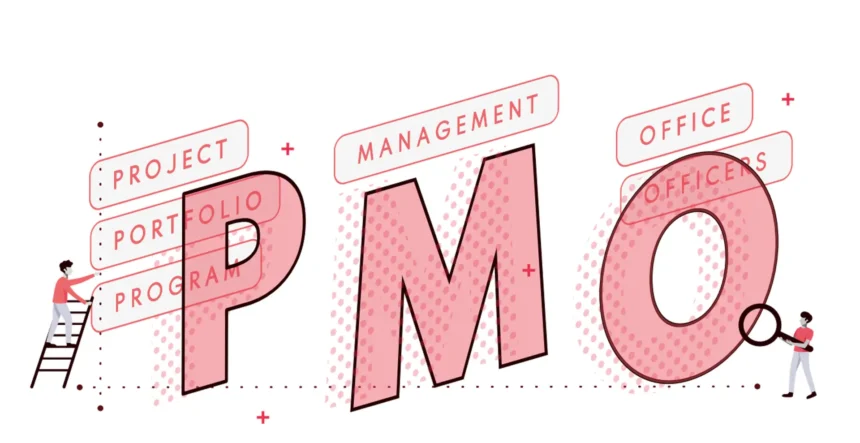
To truly grasp the pmo meaning, we need to look at what the letters stand for and what the entity actually does. PMO stands for Project Management Office. It is a specific group or department within a business that defines and maintains standards for project management. The core purpose of this office is to standardize the execution of projects so the company can achieve better, more consistent results.
When people ask about the pmo meaning, they are usually looking for the practical application. It is not just a room full of people creating rules. It is a dynamic framework designed to support the entire business strategy. The office looks at the big picture, making sure that every single task aligns with what the company ultimately wants to achieve.
Here is a quick breakdown to help clarify the concept:
|
Term |
Definition |
Practical Application |
|---|---|---|
|
Project |
A temporary endeavor to create a unique product or service. |
Launching a new company website or software tool. |
|
Management |
The act of directing and controlling a group to achieve a goal. |
Keeping the website launch on budget and on time. |
|
Office |
A central department that creates standards and offers support. |
Providing the templates and guidelines for the launch. |
Understanding the pmo meaning helps you see that it is all about consistency. When everyone follows the same proven steps, mistakes drop, and success rates climb.
The Primary Roles and Responsibilities of a PMO
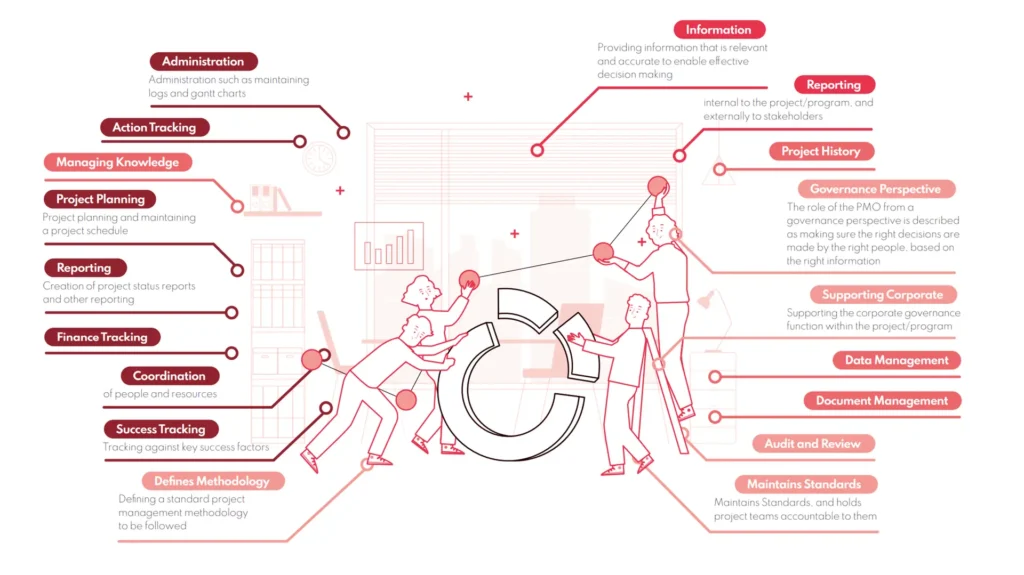
A Project Management Office wears many hats within an organization. One of its biggest responsibilities is creating a standardized set of processes. Imagine if every chef in a restaurant cooked a signature dish entirely differently. The customers would never know what to expect. The same logic applies to business. The office creates templates, best practices, and guidelines so every project is handled with the same level of care and quality.
Another massive role involves resource management. Resources include money, software, equipment, and most importantly, people. The office looks across all departments to see who is overworked and who has spare time. By balancing the workload, they prevent employee burnout and ensure that the most important projects get the attention they need. This high-level view is something individual managers rarely have access to.
Finally, the office acts as a central hub for reporting and communication. They gather data from across the company and present it to executive leaders in a clear, easy-to-read format. If a project is falling behind, the office spots the warning signs early. They can then step in, offer coaching, and help correct the course before minor issues turn into massive failures.
Exploring the Three Main Types of PMOs
Not all Project Management Offices look or act the same. Because businesses have different needs, sizes, and cultures, the structure of the office must adapt to fit those unique environments. The level of control and influence the office has over daily operations is what defines its type. Choosing the right style is crucial for getting your team on board and seeing real results.
There are three primary categories you need to know about. These categories range from a very relaxed, helpful approach to a strict, highly managed approach. The best choice depends entirely on how much structure your current teams need and how mature your company’s processes already are. We will explore each of these three types in detail below so you can see which one might fit your workspace.
The Supportive PMO
The supportive type acts much like a helpful librarian or a wise consultant. This type of office has a very low level of control over daily projects. Instead of telling managers what to do, it simply provides them with the tools they need to succeed on their own. This is a highly collaborative and friendly approach to project oversight.
A supportive office builds and maintains a repository of project templates, best practices, training materials, and historical data from past work. If a manager needs to create a budget report, they can go to the supportive office to find a ready-made template. The office is there to answer questions, offer advice, and supply resources without taking over the actual management of the project.
This model works exceptionally well in companies where projects are successfully managed in a loose, flexible way. It gives employees the freedom to work how they want, while still offering a safety net of professional resources. It is a great starting point for businesses that are just beginning to formalize their internal processes.
The Controlling PMO
If the supportive type is a librarian, the controlling type is more like an auditor or an inspector. This office requires a moderate level of control. It does not just hand out templates; it actually requires employees to use them. The main focus here is compliance and ensuring everyone follows the established company standards.
When a controlling office is in place, project managers must adopt specific frameworks and methodologies. The office will regularly review projects to make sure the managers are using the correct software, filling out the right risk assessment forms, and reporting data accurately. If a team is not following the rules, the controlling office will step in to enforce the standards and bring them back into compliance.
This type is ideal for companies that are growing quickly and need to rein in chaotic, unorganized work habits. By enforcing strict rules, the business can easily track progress, compare different projects, and ensure a high level of quality across the board. It strikes a balance between offering support and demanding accountability.
The Directive PMO
The directive type takes full control. It does not just support or control the project managers; it actually owns the projects. In this setup, the project managers report directly to the PMO, rather than to different department heads. This structure represents the highest level of control a business can implement over its internal work processes.
Because the directive office manages the projects directly, there is a very high level of consistency. The office assigns specific managers to specific tasks based on their skills and availability. They handle all the planning, execution, and reporting. This ensures that every single project is perfectly aligned with the executive leadership’s strategic vision for the company.
Large, highly regulated industries often use the directive approach. Think of fields like healthcare, aerospace, or finance, where a single mistake can lead to massive legal or financial trouble. In these environments, strict oversight is not just helpful; it is absolutely necessary for the survival of the business.
Key Benefits of Implementing a PMO
Bringing a Project Management Office into your business offers some incredible advantages. First and foremost, it drastically improves your project success rates. By standardizing the way work is done, you eliminate the guesswork. Teams know exactly what steps to take from day one, which means fewer errors and much faster delivery times. This predictability builds trust with your clients and your executive board.
Another major benefit is financial savings. Wasted time is wasted money. When projects run over schedule, costs skyrocket. The office keeps a close eye on budgets and resources, ensuring money is spent wisely. They also identify redundant tasks. For instance, if two different departments are paying for similar software tools, the office will spot the overlap and consolidate the tools, saving the company cash.
Furthermore, a centralized office vastly improves team communication. Because everyone is using the same terminology and reporting templates, misunderstandings drop significantly. When the marketing team speaks the same “project language” as the IT team, collaboration becomes effortless. This friendly, aligned environment boosts overall employee morale.
How to Set Up a Successful PMO Structure
Creating a successful central office does not happen overnight. It requires a thoughtful, step-by-step approach. First, you must clearly define what you want to achieve. Are you trying to save money, speed up delivery times, or just get your teams to communicate better? Identifying your main goal helps you decide which type of office (supportive, controlling, or directive) will work best for you.
Next, you need to secure executive buy-in. If the top leaders in the company do not support the new office, no one else will. You must explain the true pmo meaning and value to the executives so they can champion the cause. Once you have their support, you can start building your team. Hire experienced professionals who understand both project management and your specific industry.
Finally, start small. Do not try to change every single process in the company on the first day. Pick one or two high-priority projects and use them as a test run. Gather feedback from the team, refine your templates, and slowly roll out the new standards to the rest of the company.
Measuring PMO Success Metrics
To know if your new setup is actually working, you have to track the right data. Measuring success shows the value of the office to the rest of the business. You should focus on Key Performance Indicators (KPIs) that align with your original goals.
Common metrics include project completion rates, budget variance, and resource utilization. Are more projects finishing on time compared to last year? Are you sticking to your budgets? You should also measure employee satisfaction. Send out friendly surveys to see if the staff feels supported by the new office. If the numbers look good, you know your strategy is working beautifully.
Overcoming Common PMO Implementation Challenges
Introducing a new system always comes with a few bumps in the road. The most common challenge is resistance to change. Employees often get comfortable doing things their own way. When a new office steps in with new rules and templates, people might feel micromanaged or threatened. They might view the new processes as unnecessary red tape.
To overcome this, communication is key. You must explain the why behind the new rules. Show your team how the new structure will actually make their jobs easier, reduce their stress, and help them succeed. Focus on the supportive aspects of the office, rather than just the controlling rules. When employees see the office as a helpful ally rather than a strict boss, they are much more likely to embrace the change.
Another challenge is proving the Return on Investment (ROI). Because the office does not directly sell products, it can be hard to show how much money it brings in. This is why tracking your success metrics from day one is so important. By showing clear data on money saved and time reduced, you can easily prove the office’s worth to the company leaders.
PMO vs. Project Manager: Understanding the Difference
It is easy to confuse the office itself with the people who manage individual tasks. However, they play two very different, yet complementary, roles within a business. A project manager focuses on the micro-level details. They are responsible for a single project from start to finish. They manage the specific team members, track the daily progress, and ensure that their specific deliverable is completed on time.
The Project Management Office, on the other hand, operates on a macro-level. It looks at the entire portfolio of projects across the whole company. It does not get bogged down in the daily details of one specific task. Instead, it provides the overarching strategy, the reporting tools, and the rulebook that all the individual managers follow.
Here is a quick comparison table to highlight the differences:
|
Feature |
Project Manager |
Project Management Office (PMO) |
|---|---|---|
|
Focus |
A single, specific project. |
The entire company portfolio. |
|
Goal |
Deliver the project on time and on budget. |
Align all work with business strategy. |
|
Role |
Tactical (doing the specific work). |
Strategic (creating the rules and tools). |
|
Authority |
Directs the specific project team. |
Sets company-wide management standards. |
Frequently Asked Questions About PMOs
What is the exact pmo meaning?
The exact pmo meaning refers to a Project Management Office. It is a dedicated department within an organization that defines, maintains, and enforces standard practices for managing projects to ensure consistent success.
Do small businesses need a central office for projects?
While large corporations use them most often, small businesses can benefit immensely from a supportive model. Even a small repository of shared templates and best practices can save a growing business a significant amount of time and money.
How long does it take to see results after setting one up?
It typically takes three to six months to start seeing measurable results. It takes time for employees to learn the new processes, use the new tools, and adapt to the new reporting structures. Patience and consistent support are essential.
Can the office fire a project manager?
This depends entirely on the type of structure in place. In a supportive or controlling setup, the managers report to their department heads, not the office. However, in a strict directive setup, the office directly employs and manages the project staff, meaning they do hold hiring and firing power.
Conclusion: Taking Your Projects to the Next Level
Understanding the precise pmo meaning is the first step toward transforming how your business operates. We have explored how this central hub acts as the guiding force for your teams, offering everything from simple, friendly support to strict, strategic direction. By standardizing your processes, managing your resources wisely, and keeping a close eye on the big picture, you can eliminate workplace chaos.
Implementing this structure requires patience, clear communication, and a willingness to adapt. However, the benefits far outweigh the initial growing pains. You will see faster delivery times, happier teams, and a much healthier bottom line. If you are tired of projects failing or running over budget, it is time to consider building your own centralized framework.
As you continue your journey toward better business practices, keep exploring how different frameworks can fit your unique needs. There is a wealth of knowledge available to help you build the perfect structure for your team. For more historical context and a broader look at how these frameworks have evolved across different industries, you can explore the detailed overview available at https://en.wikipedia.org/wiki/Project_management_office.



