




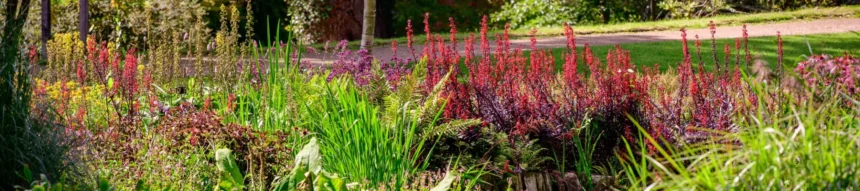

A winter garden sounds fancy, but honestly, it’s just a space where greenery keeps going when the cold rolls in. While most yards turn brown and bare, a winter garden stays alive with color, fresh leaves, and that calm, cozy feeling we all crave in the colder months.
Here’s the thing: you don’t need to be a master gardener to have one. With a little planning and the right plants, anyone can pull it off.
What Is a Winter Garden, Really?
In plain words, a winter garden is any garden designed to grow and look good during the colder season. Some are indoors, some are tucked into a sunny patio, and others are full glass rooms attached to a house.
People love the idea because it brings life back to a season that usually feels dull. There’s something nice about looking outside at frost and still seeing something green.
And no, this isn’t only for experts. Beginners can start small and still enjoy great results.
The Meaning Behind a Winter Garden
The term has been around for a long time. In older homes, especially in Europe, a “winter garden” often meant a glass-enclosed room filled with plants that stayed warm even when it snowed outside.
So what makes it different from a regular garden? A normal garden mostly thrives in spring and summer. A winter garden focuses on plants and setups that can handle cold, low light, and shorter days.
When most plants slow down in winter, the right choices keep growing. That’s really the whole magic of it.
Indoor vs. Outdoor Winter Gardens
An indoor garden lives inside your home, near windows or under grow lights. It’s protected, easy to control, and great for places with harsh winters.
An outdoor setup, like a patio or raised bed, works better in milder climates. Your choice depends on your space, your weather, and how much frost you usually get.
Different Types of Winter Gardens
There are a few common styles people lean toward, and each one suits a different lifestyle and budget.
Conservatory-Style Winter Garden
A conservatory is a glass-enclosed room, often attached to the house. The glass traps sunlight and holds warmth, which keeps plants happy even on freezing days.
To be honest, this is the dreamy version. It looks beautiful and doubles as a relaxing sitting space.
Greenhouse Winter Garden
A greenhouse is perfect for people who take their plants seriously. It’s built to protect plants from frost and lock in heat and humidity.
What’s interesting is how a simple greenhouse can extend your growing season by months. Cold-hardy plants thrive in there with very little fuss.
Container or Patio Winter Garden
If space is tight, patio containers are your best friend. You can move pots around, chase the sunlight, and bring them indoors when a hard frost hits.
This setup is ideal for beginners. Low cost, low pressure, and easy to manage.
Why a Winter Garden Is Worth It
The benefits are simpler than you’d expect, and they go beyond just looks.
First, there’s the fresh greenery. When everything outside is gray, a bit of green makes a real difference in how a space feels.
Then there’s the mental side. Tending plants in winter is calming, and that cozy feeling helps when the days get short and dark.
And let’s not forget food. With winter vegetables growing, you get fresh produce right when grocery prices tend to climb.
Best Plants for a Winter Garden
Not every plant survives the cold, so picking the right ones matters. Focus on cold-hardy plants that actually enjoy chilly weather.
Hardy Vegetables That Love the Cold
Some veggies practically thrive in cold conditions. Kale, spinach, carrots, and Brussels sprouts are classic winners.
Kale even tastes sweeter after a light frost. Carrots hold well in the ground, and spinach keeps producing leaves when other greens give up.
These winter vegetables are forgiving, which makes them great for first-timers.
Winter-Friendly Flowers and Color
Flowers bring brightness when the season feels flat. Pansies, hellebores, and winter jasmine add color without much trouble.
A few blooms can completely change the mood of a winter garden. They make the whole space feel alive instead of asleep.
Quick Picks for Beginners
If you want easy, forgiving plants, start with these:
- Kale
- Spinach
- Pansies
- Hellebores
- Mint (in a container)
These need little attention and bounce back from small mistakes.
Designing Your Winter Garden

Before you plant anything, take a little time to plan the space. Good design saves you a lot of stress later.
Think about layout, light, and how you’ll actually use the area. A messy plan usually leads to struggling plants.
Making the Most of Natural Light
Light is everything in winter. The sun sits lower and days are shorter, so placement really matters.
South-facing windows usually get the most sunlight. Set your plants where they catch the brightest spot, and rotate pots so every side gets a turn.
If natural light is weak, a basic grow light fills the gap nicely.
Cozy Design Ideas Worth Trying
A winter garden isn’t only about plants. Add a chair, a soft throw, and some warm lighting to make it a place you want to sit.
String lights or a small lamp give that gentle glow. Throw in a rug or a few candles, and suddenly it becomes your favorite corner of the home.
How to Maintain a Winter Garden
Keeping plants alive in winter is easier than people think. The trick is doing less, not more.
Watering is a big one. Plants grow slower in cold months, so they need water far less often than in summer. Overdoing it does more harm than good.
Also keep an eye on temperature swings and drafts. A spot near a leaky window can stress plants fast.
Protecting Plants From Frost
Frost protection is simple once you know the basics. A light cloth cover, a layer of mulch, or moving pots indoors can save your plants on a freezing night.
Timing helps too. Cover plants in the evening before the cold sets in, then uncover them once the sun is up.
Common Winter Garden Mistakes to Avoid
A few small mistakes trip up most beginners, and they’re easy to dodge.
Overwatering tops the list. Since plants drink less in winter, soggy soil leads to root rot before you even notice.
Picking the wrong plants for your zone is another. A plant built for mild winters won’t survive a harsh freeze, no matter how much you care for it.
And don’t ignore light and airflow. Crowded, dark, stuffy spaces invite mold and weak growth.
Practical Tips for a Thriving Winter Garden
Small habits make a big difference over time. You don’t need fancy tools, just a bit of consistency.
Check your plants every few days. A quick glance helps you catch problems early, whether it’s dry soil or a yellow leaf.
Keep simple notes on what works. Jot down what grew well and what flopped, so next season gets easier.
And start planning ahead. Once you see your first winter garden succeed, you’ll already have ideas for the next round.
Final Thoughts on Starting Your Winter Garden
A winter garden is one of those projects that pays you back in calm, color, and a little fresh food. You don’t need a huge budget or perfect skills to begin.
Start small. A few pots on a sunny windowsill or a tiny patio setup is more than enough to learn the ropes.
The best part is the process itself. Watch your plants grow, tweak as you go, and enjoy having something green to look forward to all winter long.