




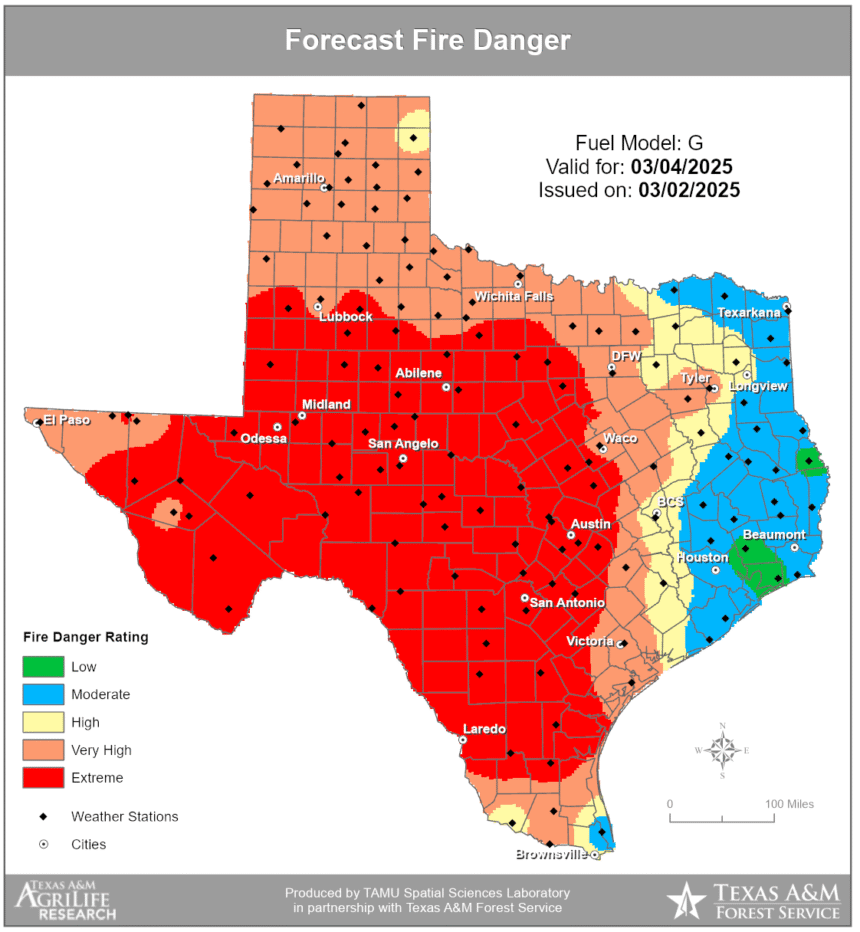

A fire weather watch is one of those alerts you might scroll past without a second thought, until the day it actually matters. Here’s the thing: when the National Weather Service issues one, they’re telling you that conditions are lining up for fires to start fast and spread even faster. It’s a heads-up, not a panic button. But it’s worth understanding.
In this post, we’ll break down what a fire weather watch really means, how it’s different from other alerts, and what you should do when one rolls out in your area.
Read more: Lottery Explained: How It Works, Odds, Prizes, and Smart Tips
What Is a Fire Weather Watch?
A fire weather watch is an alert issued when weather conditions could lead to dangerous wildfire activity. Think dry air, gusty winds, and parched vegetation all coming together at once.
It doesn’t mean a fire is happening right now. It means the ingredients for a serious fire are expected soon, usually within the next 12 to 72 hours.
To be honest, it’s a lot like a tornado watch. The danger isn’t here yet, but the setup is forming.
Who Issues a Fire Weather Watch?
The National Weather Service (NWS) is the agency behind these alerts. They work closely with local fire and land management officials to track conditions.
Meteorologists look at things like wind speed, humidity levels, and how dry the landscape is. When those factors hit certain thresholds, they issue the watch to warn the public ahead of time.
Fire Weather Watch vs. Red Flag Warning
This part trips a lot of people up. A fire weather watch and a red flag warning sound similar, but they mean different things.
The Watch Comes First
A fire weather watch is the early signal. It says conditions could become dangerous in the coming days.
The Warning Means It’s Happening Now
A red flag warning is more urgent. It means those critical fire conditions are either happening right now or will happen within 24 hours. So the watch is the warning’s quieter cousin, the one that shows up earlier.
What Conditions Trigger a Fire Weather Watch?
A few key weather factors usually have to line up. None of them is scary on its own, but together they raise the wildfire risk fast.
Low Humidity
Dry air pulls moisture out of plants, grass, and brush. When humidity drops low, everything outside becomes easier to ignite.
High Winds
Strong, gusty winds do two things. They dry out vegetation even more, and they push flames across the land quickly. High winds are often the biggest reason fire behavior turns extreme.
Dry Conditions
If there hasn’t been much rain, the ground and plants stay thirsty. These dry conditions act like fuel waiting for a spark.
A Spark Source
Lightning, downed power lines, equipment, or even a tossed cigarette can be enough. When the other factors are present, it doesn’t take much.
Why Fire Weather Watches Matter
You might wonder why a simple alert deserves your attention. Here’s the short answer: early warnings save lives and property.
When a fire weather watch is in effect, fire crews get ready, resources get positioned, and communities have time to prepare. That head start can make a huge difference once a fire actually starts.
What’s interesting is that many of the most destructive wildfires happened on days flagged ahead of time. The warning was there. Paying attention to it matters.
How Long Does a Fire Weather Watch Last?
There’s no fixed length. It depends on the weather forecast.
Most watches cover a window of about a day or two. Once the dangerous period gets closer and more certain, the NWS may upgrade the watch to a red flag warning. If conditions ease, they’ll simply cancel it.
What to Do During a Fire Weather Watch
A fire weather watch is your cue to get ready, not your cue to flee. Here are simple steps that go a long way.
Hold Off on Outdoor Burning
Skip the bonfire, the burn pile, and anything involving open flames. Even a small spark can spread fast during these conditions.
Be Careful With Equipment
Lawnmowers, chainsaws, and grills can throw sparks. If you’re using machinery, avoid dry grass and stay alert.
Pack a Go-Bag
Keep important documents, medications, and essentials ready in one spot. If a fire starts and you need to leave quickly, you’ll thank yourself.
Stay Informed
Keep an eye on local news and weather updates. A fire weather watch can change quickly, and you want to know if it becomes a red flag warning.
Common Myths About Fire Weather Watches
Let’s clear up a few things people get wrong.
“It Means a Fire Is Already Burning”
Nope. A fire weather watch is about potential, not an active fire. It’s a warning about conditions.
“Only Forests Get Them”
Not true. Grasslands, brush areas, and even neighborhoods near dry vegetation can fall under a fire weather watch. Fire danger isn’t limited to deep woods.
“If I Don’t See Smoke, I’m Fine”
Conditions can shift in minutes. The whole point of the watch is to prepare before there’s any smoke to see.
Fire Weather Watch and Climate Patterns
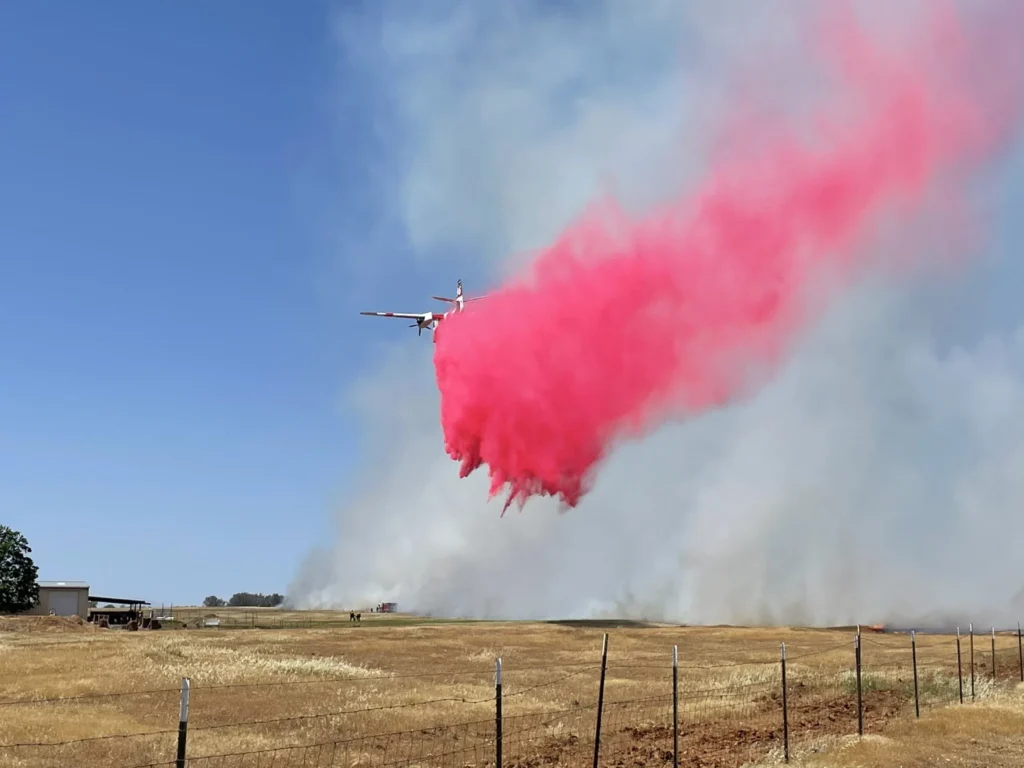
Here’s something worth thinking about. Many regions are seeing longer, drier seasons. That stretches out the time when extreme fire conditions are possible.
More dry days, hotter temperatures, and stronger winds all feed into the fire weather forecast. So in some places, a fire weather watch shows up more often than it used to.
This isn’t meant to scare you. It’s just a reminder that staying alert pays off, especially during peak fire season.
How Meteorologists Predict Fire Weather
Predicting fire danger is part science, part experience. Forecasters track moisture in the soil and vegetation, watch wind patterns, and study temperature trends.
They also use fire weather forecast models that combine all this data. When the numbers point toward trouble, they issue the alert. It’s a careful process, and it’s improved a lot over the years.
Who Should Pay the Most Attention?
Honestly, everyone in an affected area should care. But a few groups especially need to stay tuned in.
People in High-Risk Areas
If you live near forests, dry hills, or open grassland, a fire weather watch is your direct concern.
Farmers and Ranchers
Equipment, crops, and livestock can all be at risk. Knowing the wildfire risk early helps with planning.
Outdoor Workers and Campers
If your day involves being outside, especially with tools or fire, take the alert seriously.
Quick Recap of Key Facts
Let’s pull the main points together.
- A fire weather watch warns of possible dangerous fire conditions, usually 12 to 72 hours out.
- It comes before a red flag warning, which signals more immediate danger.
- Low humidity, high winds, and dry conditions are the usual triggers.
- The National Weather Service issues these alerts.
- The right response is to prepare, avoid open flames, and stay informed.
Final Thoughts
A fire weather watch isn’t something to ignore or stress over. It’s simply a smart, early heads-up that gives you time to act. Treat it as your window to prepare, not your moment to panic.
The more you understand about fire behavior and fire danger, the better choices you’ll make when one of these alerts pops up. If you want to dig deeper into how these alerts work and how forecasters classify fire risk, the Wikipedia page on fire weather is a solid place to start. Stay aware, stay ready, and you’ll be in good shape when conditions turn dry and windy.