




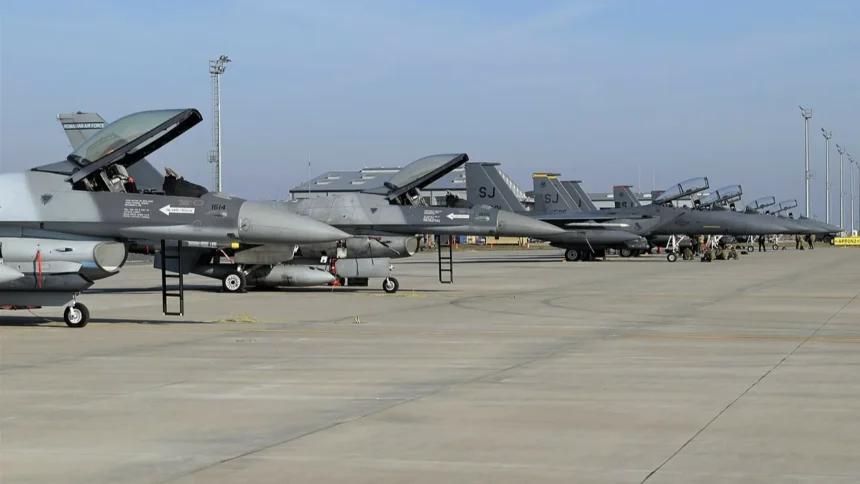

A NORAD New Jersey airspace violation happens when a plane flies into restricted airspace over the state without permission, and military fighter jets have to step in. It sounds dramatic, and honestly, it kind of is. In 2026, this exact thing happened more than once, and it got a lot of people talking.
Here’s the thing: most of these incidents involve small private planes, not enemy aircraft. But NORAD still treats every one seriously. Let’s break down what actually happened, why it matters, and how the whole process works.
Read more: Avengers Doomsday: Everything You Need to Know About Marvel’s Most Anticipated Film
What Is a NORAD New Jersey Airspace Violation?
In simple terms, it’s when an aircraft enters a protected zone over New Jersey that’s been temporarily closed to normal air traffic. When that happens, NORAD may send fighter jets to check it out.
The goal isn’t to punish anyone. It’s to make sure the plane isn’t a threat and to guide it out safely. Most pilots who trigger these events simply didn’t check the latest flight rules before takeoff.
Why These Incidents Matter
Air sovereignty is a big deal. The U.S. needs to know who’s flying where, especially near major events or sensitive locations. A single unidentified plane can create real security concerns.
To be honest, that’s why even a small mistake by a general aviation pilot can end with an F-16 flying right next to them.
The June 6, 2026 Incident Near Keansburg
On June 6, 2026, NORAD F-16 fighter aircraft intercepted a general aviation aircraft that had flown into Temporary Flight Restriction airspace near Keansburg, New Jersey. It happened around 1:40 p.m. EDT.
The jets used flares to grab the pilot’s attention. After that, the aircraft was safely escorted out of the restricted airspace. No one was hurt, and the situation ended without further trouble.
This was a textbook example of a NORAD New Jersey airspace violation being handled quickly and calmly.
The July 19, 2026 Incident Over Bedminster and East Rutherford
Now this one was bigger. On July 19, 2026, more than 10 general aviation aircraft entered restricted airspace over Bedminster and East Rutherford.
Out of those, three violations were serious enough that NORAD F-16 fighter jets had to intercept the planes. During two of those intercepts, the jets dispensed flares to get the pilots to respond.
All of the aircraft were safely escorted out. That’s the important part — nobody crashed, and no one on the ground was harmed.
The World Cup Connection
What’s interesting is why the airspace was closed in the first place. The Temporary Flight Restrictions were tied to the 2026 FIFA World Cup final at MetLife Stadium.
Big events like that draw huge crowds, so the airspace above them gets locked down. That’s a normal safety step, but it also means pilots really need to pay attention.
What Is a Temporary Flight Restriction (TFR)?
A TFR is a short-term rule that blocks off a chunk of airspace for a specific reason. It could be a wildfire, a VIP visit, a sporting event, or a security concern.
Here’s the catch: TFRs can pop up fast. If a pilot doesn’t check for them before flying, they can wander into restricted airspace without even realizing it. That’s how most of these violations start.
Who Is NORAD, Anyway?
NORAD stands for the North American Aerospace Defense Command. It’s a bi-national military command shared by the United States and Canada.
It was founded on September 12, 1957, and its headquarters sits at Peterson Space Force Base in Colorado. Its job is to watch the skies over North America and respond to anything unusual.
The Team Behind U.S. Intercepts
The Continental U.S. NORAD Region, based at Tyndall Air Force Base in Florida, leads intercepts inside the United States. So when a NORAD New Jersey airspace violation happens, the response is coordinated through this region.
The main fighter jets used for these missions are the F-16 Fighting Falcon and the F-15 Eagle.
What Happens During an Intercept?
Getting intercepted by a fighter jet has to be a stressful moment. But there’s a clear process pilots are supposed to follow.
If NORAD aircraft intercept your plane, you should tune your radio to the emergency frequency 121.5 or 243.0 MHz right away. Then you reverse course and wait for further instructions.
That’s it. Follow those steps, and the situation usually calms down fast.
Why Do Fighter Jets Use Flares?
This part surprises a lot of people. When a pilot isn’t responding on the radio, NORAD jets sometimes drop flares to catch their eye.
NORAD says these flares are used with the highest regard for safety. They burn out quickly and completely, and they pose no danger to people on the ground.
They might be visible from below, though. So if you saw bright flashes in the sky over New Jersey during those events, that’s likely what they were.
Common Causes of a NORAD New Jersey Airspace Violation
Most of these incidents come down to a few simple mistakes:
- Not checking for active TFRs before takeoff
- Losing track of location while flying
- Radio or navigation issues
- Assuming the airspace is open when it isn’t
The takeaway for any general aviation pilot is easy: check the latest flight restriction updates every single time before you fly.
How Pilots Can Avoid Restricted Airspace
Prevention really is the best fix here. Before flying near New Jersey, pilots should review current TFRs and NOTAMs.
NORAD also encourages general aviation pilots to double-check flight restrictions before heading out. It only takes a few minutes, and it can save you from a very stressful encounter with fighter jets.
Are These Violations Common?
Individually, no single spot sees them every day. But during big events, the numbers can spike, like we saw with the July 19 Bedminster TFR incidents.
That said, most flights go smoothly. A NORAD New Jersey airspace violation still stands out as an unusual event, which is exactly why it makes the news.
What These Events Tell Us About Air Security
Every NORAD New Jersey airspace violation is a reminder that the skies are being watched closely. That’s a good thing for public safety.
The system worked in both 2026 cases. Planes strayed where they shouldn’t have, jets responded, and everyone got home safe. That’s the outcome NORAD aims for every time.
Frequently Asked Questions
1. What triggers a NORAD New Jersey airspace violation?
It’s triggered when an aircraft enters restricted airspace, usually a Temporary Flight Restriction zone, without clearance. NORAD may then send fighter jets to intercept and escort the plane out.
2. Were the 2026 New Jersey intercepts dangerous?
Based on the reports, no one was harmed in either the June 6 or July 19 incidents. All aircraft were safely escorted out of the restricted airspace.
3. Why were the flight restrictions in place in July 2026?
The July 19 TFRs over Bedminster and East Rutherford were tied to the 2026 FIFA World Cup final at MetLife Stadium.
4. What should a pilot do if intercepted by NORAD?
Tune to emergency frequency 121.5 or 243.0 MHz, reverse course, and follow the instructions given. Staying calm and responsive is key.
5. Are the flares from fighter jets safe?
Yes. NORAD says the flares burn out quickly and completely and pose no danger to people on the ground, though they may be visible from below.
Final Thoughts
So there you have it. A NORAD New Jersey airspace violation isn’t about spies or attacks most of the time. It’s usually a pilot who missed a flight restriction, followed by a fast, professional response from fighter jets.
The 2026 incidents near Keansburg, Bedminster, and East Rutherford show the system doing its job. If you want to understand more about the command behind these intercepts, its history, and its bi-national mission with Canada, you can read the full background on NORAD’s Wikipedia page. It’s a solid starting point for anyone curious about how North America keeps watch over its skies.