




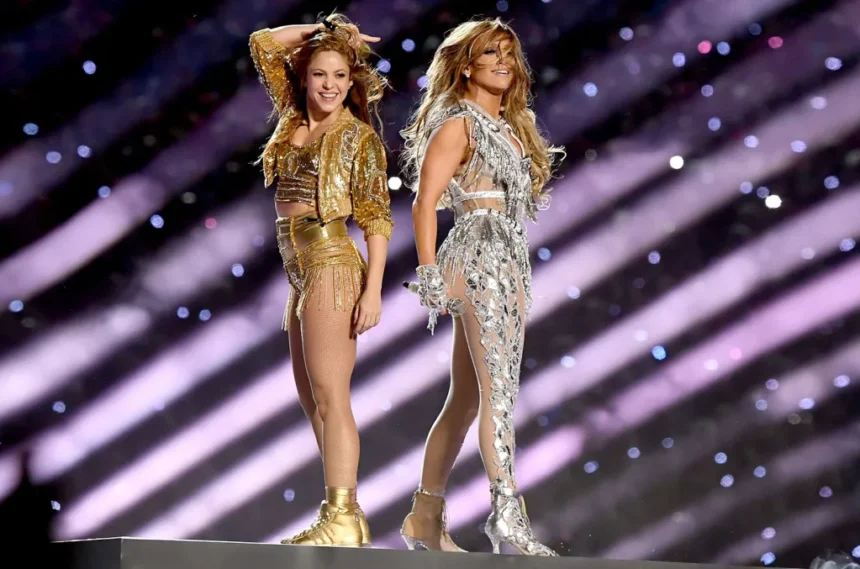

The Super Bowl is more than just a football game; it’s a massive cultural event watched by millions around the globe. While the on-field action is thrilling, the halftime show has become a spectacle in its own right. The artists who take this stage are a huge part of the event’s legacy. This article will explore the history, impact, and most memorable moments delivered by the incredible super bowl performers who have graced the world’s biggest stage. We will look at how the show evolved from college marching bands to global superstars, creating moments that are talked about for years.
Key Takeaways
- The Super Bowl halftime show transformed from simple entertainment featuring marching bands to a major musical event with the world’s biggest stars.
- Booking iconic super bowl performers like Michael Jackson in 1993 was a turning point that significantly boosted viewership and advertiser interest.
- Performances are massive logistical undertakings, involving months of planning, intricate stage designs, and precise timing to fit into a 13-minute slot.
- Many performances have become legendary for their cultural impact, including Prince’s rainy “Purple Rain” solo and Beyoncé’s powerful 2013 show.
- The selection process for halftime performers is secretive, involving the NFL, sponsors, and broadcast networks, focusing on artists with broad appeal and global recognition.
The Evolution of the Halftime Show
In the early days of the Super Bowl, the halftime show was a far cry from the star-studded productions we see today. The entertainment was primarily provided by university marching bands, drill teams, and local performance groups. For instance, the first Super Bowl in 1967 featured the University of Arizona and Grambling State University marching bands. While entertaining, these shows were modest and primarily aimed at the audience inside the stadium. The focus was squarely on the game, with halftime serving as a simple intermission.
This traditional format continued for over two decades. The shows were often themed, celebrating American history or culture, but lacked the star power to capture a national television audience. In fact, it was common for viewers at home to change the channel during halftime, a habit that television networks were eager to break. The NFL began to realize that a significant portion of its potential audience was being lost during this crucial break. This understanding set the stage for a major strategic shift, paving the way for the era of celebrity super bowl performers.
A New Era: How Michael Jackson Changed the Game
The turning point for the Super Bowl halftime show came in 1993 with Michael Jackson. The year prior, a competing network had successfully counter-programmed the halftime show with a live episode of the comedy show In Living Color, drawing millions of viewers away from the game. The NFL knew it needed to do something bold to reclaim that audience. Their solution was to book the biggest star in the world: the King of Pop. Michael Jackson’s performance was revolutionary. It was the first time a single, global superstar was the sole focus of the show.
His 12-minute set was electrifying, featuring hits like “Billie Jean” and “Black or White.” He stood motionless on stage for a full 90 seconds, building unprecedented anticipation before launching into his performance. The show included stunning visuals, elaborate choreography, and a heartfelt finale of “Heal the World” with a massive children’s choir. The impact was immediate and historic. Not only did viewership ratings for the halftime show skyrocket, but for the first time ever, ratings actually increased between the first and second halves of the game. This proved that major super bowl performers could be a massive draw, and the modern halftime show was born.
The Production Behind the Spectacle
Putting on the Super Bowl halftime show is a monumental task. The production involves thousands of people, months of planning, and a budget that runs into the millions, often covered by the halftime show sponsor. The biggest challenge is time. The entire stage must be assembled, the performance completed, and everything disassembled within a roughly 30-minute window. This requires military-like precision from a volunteer crew of hundreds who practice the setup and breakdown repeatedly.
The Stage and Technology
The stages themselves are marvels of engineering. They are modular, designed to be rolled onto the field in numerous pieces and locked together in minutes. These stages often incorporate cutting-edge technology, including massive LED screens, pyrotechnics, intricate lighting rigs, and sometimes even drones. For example, Lady Gaga’s 2017 performance began with her seemingly jumping from the stadium roof, an illusion created with a pre-recorded segment and hundreds of lit-up drones forming an American flag in the sky.
The Sound System
Ensuring perfect audio for over 100 million viewers and a packed stadium is another critical challenge. The sound systems are custom-designed for each stadium’s unique acoustics. Performers often sing live to pre-recorded backing tracks to ensure a flawless audio experience, as the stadium environment makes a purely live performance incredibly difficult to mix in real time. The goal is to create a concert-quality sound experience that translates perfectly to television broadcasts.
The Most Iconic Super Bowl Performers and Moments
Over the years, numerous artists have delivered unforgettable performances. These moments are remembered not just for the music, but for their cultural significance, stunning visuals, and sheer star power. They represent the pinnacle of what super bowl performers can achieve on the world’s biggest stage.
|
Year |
Performer(s) |
Memorable Moment |
|---|---|---|
|
1993 |
Michael Jackson |
Stood silently for 90 seconds, creating massive anticipation. |
|
2002 |
U2 |
Performed “Where the Streets Have No Name” as names of 9/11 victims scrolled behind them. |
|
2004 |
Janet Jackson & Justin Timberlake |
The infamous “wardrobe malfunction” that changed live broadcast standards. |
|
2007 |
Prince |
Performed “Purple Rain” in a real downpour, creating an epic guitar solo moment. |
|
2012 |
Madonna |
An elaborate, ancient-themed show featuring guests like LMFAO, Nicki Minaj, and M.I.A. |
|
2013 |
Beyoncé |
A powerful reunion with Destiny’s Child and a show-stopping display of vocal and dance talent. |
|
2015 |
Katy Perry |
Arrived on a giant mechanical lion and featured the viral “Left Shark.” |
|
2017 |
Lady Gaga |
An acrobatic performance that began with a “jump” from the stadium roof. |
|
2022 |
Dr. Dre, Snoop Dogg, Eminem, etc. |
The first halftime show centered entirely on hip-hop, winning an Emmy. |
Prince’s Rainy “Purple Rain”
Many consider Prince’s 2007 halftime performance to be the greatest of all time. On a rainy night in Miami, instead of being concerned, Prince famously asked producers, “Can you make it rain harder?” He then delivered a masterful set that culminated in an iconic guitar solo during “Purple Rain.” The combination of his legendary talent, the unexpected downpour, and the silhouette of his guitar against a massive, flowing sheet created a moment of pure musical magic. It was a testament to his genius as a live performer and remains a benchmark for all subsequent super bowl performers.
U2’s 9/11 Tribute
Just a few months after the September 11th attacks, the nation was still healing. U2’s halftime show in 2002 provided a moment of poignant reflection and unity. As the band played “Where the Streets Have No Name,” a massive screen behind them displayed the names of all the victims of the attacks. It was a powerful and emotional tribute that transcended entertainment. Bono’s gesture of opening his jacket to reveal an American flag lining was a simple yet profound symbol of solidarity. The performance was a perfect example of how the halftime show can serve as a cultural touchstone during significant national moments.
Beyoncé and Destiny’s Child Reunion
In 2013, Beyoncé delivered a performance that cemented her status as one of the greatest entertainers of her generation. Her high-energy set was a masterclass in vocals, choreography, and stage presence. The highlight for many was the surprise reunion of Destiny’s Child, as Kelly Rowland and Michelle Williams emerged from beneath the stage to join her for a medley of their hits. The show was a celebration of female empowerment and black culture, setting a new standard for production value and sheer force of will. It was a powerful statement from an artist at the peak of her powers.
The Selection Process: Who Gets the Gig?
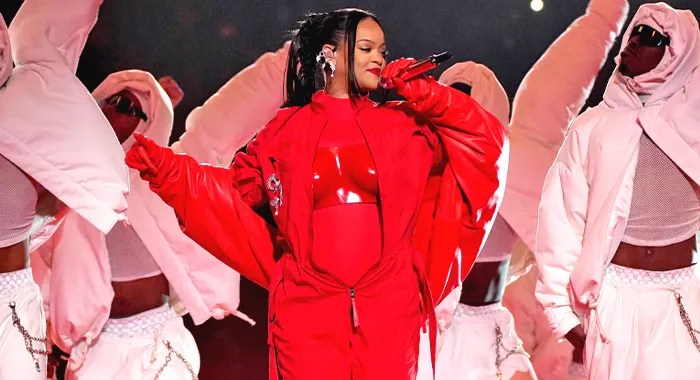
Being chosen as one of the super bowl performers is a prestigious honor. The selection process is a closely guarded secret, but it involves a collaborative effort between the NFL, the broadcast network (which rotates among CBS, NBC, and Fox), and the halftime show sponsor, currently Apple Music. The league typically seeks artists who are globally recognized, have broad cross-generational appeal, and are known for putting on spectacular live shows.
Key Factors in Selection
- Mass Appeal: The artist must be popular across various demographics.
- Recent Success: Performers often have a recent hit album or are on a successful tour.
- Clean Image: The NFL generally prefers artists without major recent controversies.
- Live Performance Ability: The ability to command a stage and deliver a high-energy, flawless show is crucial.
Contrary to popular belief, the NFL does not pay the performers a fee for their appearance. Instead, the league covers all production costs, which can exceed $10 million. The artists do it for the exposure. The halftime show provides a platform to reach an audience of over 100 million people in a single 13-minute performance, leading to massive spikes in music sales and streaming numbers, as documented by entertainment analysts at publications like Silicon Valley Time.
The Cultural and Economic Impact
The Super Bowl halftime show is much more than just a musical interlude. It has a significant cultural and economic ripple effect. For the artists, the performance can define a career, leading to what is often called the “Super Bowl bump.” This refers to the dramatic increase in album sales, song downloads, and streaming metrics in the days and weeks following the show. For example, after their 2020 performance, Jennifer Lopez and Shakira saw their song sales surge by over 800%.
Culturally, the show often reflects and influences popular trends. The choice of super bowl performers can signal a shift in the music landscape, as seen with the 2022 hip-hop-centric show. Performances can also spark national conversations, generate countless memes (like Katy Perry’s “Left Shark”), and create moments that become ingrained in pop culture history. The show is a snapshot of who and what is dominating the entertainment world at that moment, making it a powerful cultural barometer.
Frequently Asked Questions (FAQ)
Q: Do Super Bowl performers get paid?
A: No, the performers do not receive a payment for the show itself. The NFL covers all production costs, and the artists benefit from the immense exposure to a global audience, which translates into significant increases in music sales and streaming.
Q: Who was the first Super Bowl halftime performer?
A: The first Super Bowl in 1967 featured performances from the University of Arizona Symphonic Marching Band and the Grambling State University Marching Band, along with trumpeter Al Hirt. The first single, headline celebrity performer was Michael Jackson in 1993.
Q: How long is the Super Bowl halftime show?
A: The performance itself is typically between 12 and 14 minutes long. The entire halftime break is about 30 minutes to allow for the stage to be set up and taken down.
Q: Has there ever been a major mistake during a halftime show?
A: Yes, the most famous incident occurred in 2004 during the performance by Janet Jackson and Justin Timberlake. A “wardrobe malfunction” at the end of their set led to widespread controversy and resulted in stricter broadcast regulations for live television events.
Q: Who decides who will be the next super bowl performers?
A: The decision is made through a collaborative process involving the NFL, the sponsoring company (currently Apple Music), and the network broadcasting the game. They look for artists with global appeal who can put on a spectacular show.
Conclusion: A Stage Like No Other
The Super Bowl halftime show has transformed from a simple intermission into one of the most prestigious and highly anticipated musical events of the year. It provides a platform for artists to create legacy-defining moments that are watched by a massive global audience. From the game-changing performance of Michael Jackson to the emotional tribute by U2 and the rainy brilliance of Prince, the legacy of super bowl performers is rich with iconic memories. As the show continues to evolve, it remains a powerful intersection of sports, music, and culture, consistently delivering spectacles that captivate and entertain millions. Each year, the world waits to see who will take the stage next and what unforgettable moment they will add to the show’s incredible history, which is well-documented on platforms like the extensive list of Super Bowl halftime shows on Wikipedia.