





Key Takeaways
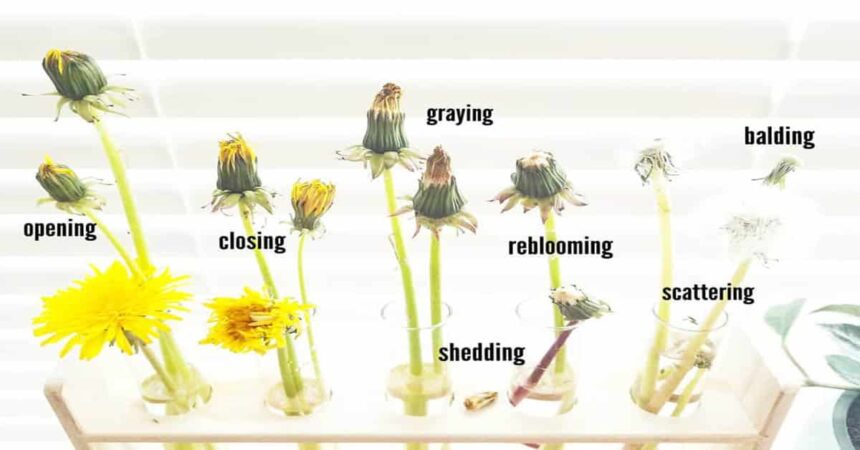
- The dandelion life cycle consists of five main stages: seed, rosette, bud, flower, and seed head.
- Dandelions play a crucial role in our ecosystem by providing early spring nectar for bees and other pollinators.
- The plant’s deep taproot helps bring essential nutrients to the topsoil, benefiting surrounding plants.
- Every part of the dandelion, from the root to the bright yellow flower, has practical uses for both nature and humans.
Read more: Lil Durk Net Worth: How the Chicago Rap Star Built His Fortune
A Closer Look at the Humble Dandelion
When you look out at a grassy lawn in the spring, you often see pops of bright yellow dotting the green landscape. Many people view dandelions as annoying weeds that ruin a perfectly manicured yard. However, these tough little plants are actually incredibly complex and highly beneficial to the environment.
Understanding the dandelion life cycle gives us a new appreciation for how resilient and helpful these plants truly are. Instead of battling them with chemicals, we can learn to appreciate their journey. Let us explore exactly how a dandelion grows, survives, and eventually spreads its seeds across the wind to start the process all over again.
Stage 1: The Seed and Germination
Every great plant begins as a tiny seed, and the dandelion is no different. The journey of a dandelion starts when a small, brown seed lands on the ground.
How Seeds Find Their Home
Dandelion seeds are attached to tiny, parachute-like structures called the pappus. The wind picks up these parachutes and carries them for miles. Once a seed finally lands in a spot with enough sunlight and moisture, it settles into the soil.
The Ideal Conditions for Sprouting
For germination to occur, the seed needs the right mix of warmth and water. Springtime provides the perfect environment. The soil warms up, the spring showers provide moisture, and the seed absorbs this water to crack open its hard outer shell. Soon, a tiny green shoot emerges from the dirt, seeking the sunlight.
Stage 2: Leaf Development and the Rosette
After the seed successfully sprouts, the plant enters its vegetative stage. This is where it focuses all its energy on building a strong foundation.
Growing the Rosette
The dandelion does not grow a tall, leafy stem right away. Instead, it grows its leaves in a circle close to the ground, forming a shape known as a rosette. This flat layout protects the young plant from grazing animals and lawnmowers. It also allows the leaves to catch as much sunlight as possible without casting shade on each other.
Developing the Deep Taproot
While the leaves grow above ground, something amazing happens below the surface. The plant sends down a thick, strong taproot. This root can grow several feet deep into the earth. It anchors the plant securely and reaches deep water sources that other plants cannot access. This deep root system is exactly why dandelions can survive harsh droughts and hot summers.
Stage 3: The Budding Phase
Once the rosette is fully formed and the taproot is securely in place, the plant is ready to reproduce. It shifts its energy from growing leaves to creating flowers.
The Rise of the Stem
A hollow, tube-like stem begins to grow straight up from the center of the rosette. If you break this stem, you will notice a milky white sap inside. This sap helps protect the plant from bugs that might try to eat it.
Forming the Flower Bud
At the very top of this hollow stem, a tightly closed green bud appears. Inside this protective green casing, hundreds of tiny individual flowers, called florets, are slowly developing. The plant waits for sunny, warm weather to finally open this bud and reveal its bright colors to the world.
Stage 4: The Golden Bloom
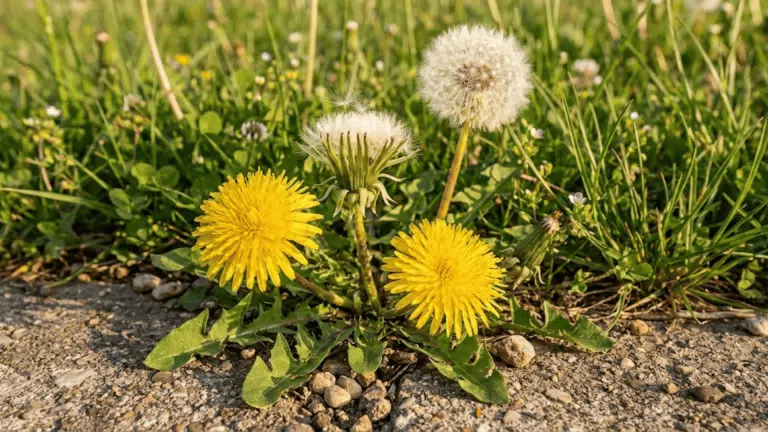
This is the most recognizable part of the dandelion life cycle. The green bud opens, revealing a stunning, bright yellow flower head.
A Composite Flower
What looks like a single yellow flower is actually a composite of up to 300 tiny florets. Each little yellow petal you see is an individual flower that contains both male and female parts.
Attracting Pollinators
The bright yellow color acts like a massive neon sign for insects. Bees, butterflies, and beetles flock to the dandelion. Because dandelions bloom very early in the spring, they serve as one of the first crucial food sources for hungry bees waking up from winter. As insects crawl over the flower to drink the sweet nectar, they move pollen from one floret to another, helping the plant produce seeds.
Stage 5: The White Seed Head
After a few days of blooming, the yellow flower closes back up. A fascinating transformation takes place inside the closed green base.
Creating the Parachutes
The yellow petals wither and fall off. Inside, the pollinated florets develop into seeds. The plant creates the fluffy, white pappus for each seed. When the transformation is complete, the green base opens back up.
Ready for the Wind
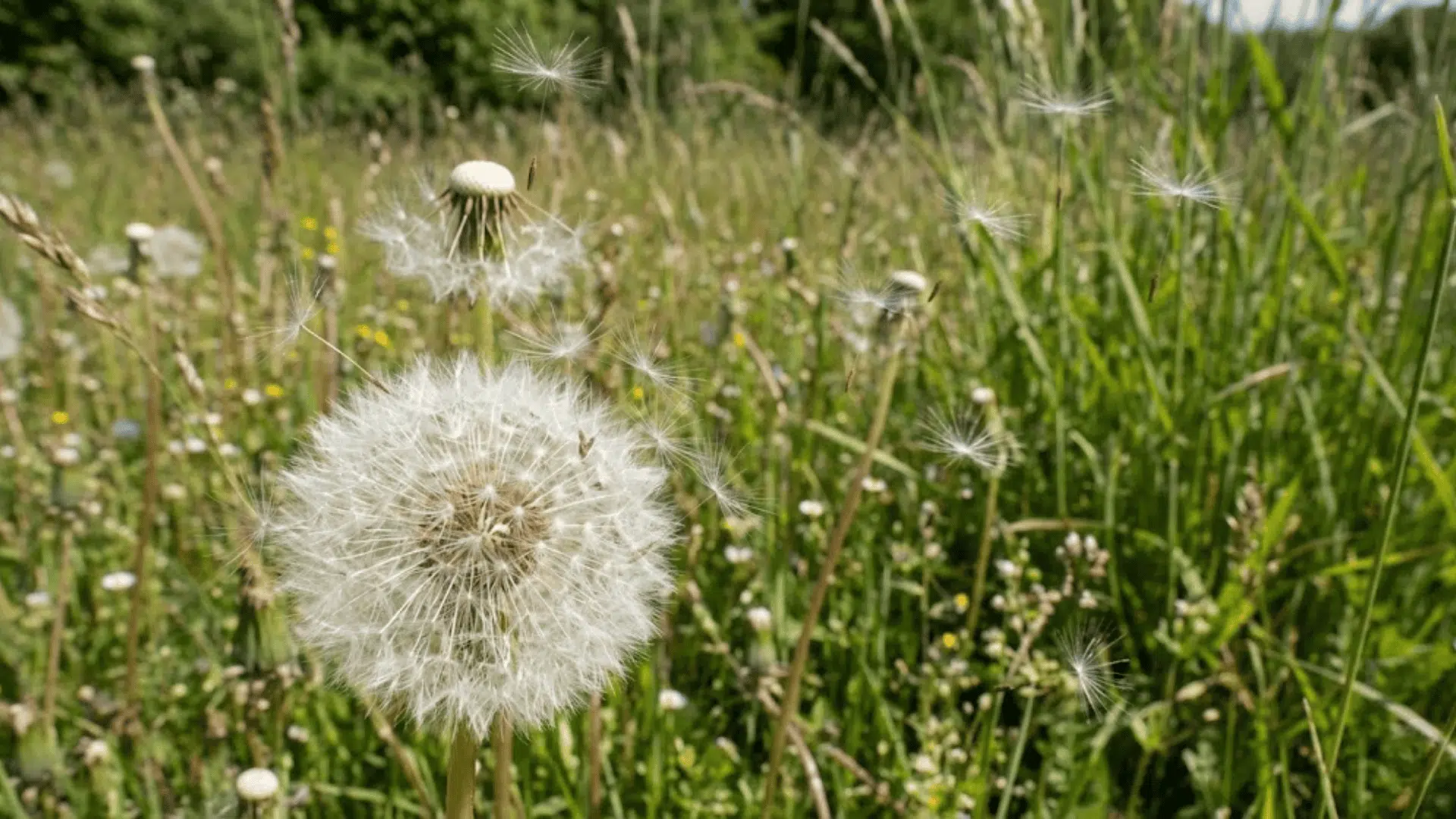
Instead of a yellow flower, you now see a perfect white globe of fluff. This is the final stage of the dandelion life cycle. Each white tuft connects to a seed. All it takes is a gentle breeze, or a child making a wish, to blow the seeds into the air. The wind carries them away, and the cycle begins all over again.
The Life Cycle Stages at a Glance
To better understand the timing and characteristics of this amazing plant, here is a quick breakdown of its growth phases.
|
Stage |
Name |
Characteristics |
Duration |
|---|---|---|---|
|
1 |
Seed & Germination |
Seed lands, absorbs water, and sprouts a tiny shoot. |
1 to 2 weeks |
|
2 |
Rosette |
Flat circle of jagged leaves forms; taproot grows deep. |
2 to 4 weeks |
|
3 |
Budding |
Hollow stem shoots up with a closed green bud on top. |
1 week |
|
4 |
Flowering |
Bright yellow blossom opens to attract pollinators. |
3 to 7 days |
|
5 |
Seed Head |
Flower turns into a white, fluffy globe of seeds. |
2 to 3 days |
The Mighty Taproot
We cannot talk about dandelions without giving special attention to their roots. The taproot is a survival mechanism that makes the plant nearly indestructible.
Bringing Up Nutrients
Because the root reaches so deep into the soil, it pulls up heavy minerals like calcium, potassium, and iron. When the dandelion leaves eventually die and decompose on the surface, they release these valuable nutrients into the topsoil. This process creates richer, healthier dirt for the grass and other shallow-rooted plants living nearby.
Ecological Importance of Dandelions
Far from being just a common weed, dandelions are ecosystem heroes. They support a wide variety of wildlife.
Supporting Early Spring Pollinators
When bees emerge in early spring, there are very few flowers blooming. Dandelions step in to fill this gap. They provide vast amounts of nectar and pollen when insects need it most. Without these bright yellow blooms, many bee colonies would struggle to survive the early weeks of spring.
Food for Birds and Animals
Insects are not the only creatures that rely on this plant. Small birds, such as finches and sparrows, love to eat dandelion seeds. Rabbits, deer, and groundhogs happily munch on the nutritious green leaves.
Human Uses for Dandelions
Humans have utilized dandelions for thousands of years. Long before the invention of pristine green lawns, people grew dandelions as a valuable crop.
A Nutrient-Packed Green
Dandelion leaves are entirely edible and packed with vitamins A, C, and K. You can pick the young leaves in the spring and toss them into a salad. They have a slightly bitter, peppery taste, similar to arugula.
Making Dandelion Tea
You can roast the thick taproots to make a dark, rich beverage that tastes surprisingly similar to coffee. Many people drink dandelion root tea to help settle their stomachs and support healthy digestion.
How to Manage Dandelions Naturally
If you prefer to keep your lawn mostly grass, you can manage dandelions without resorting to harsh chemical sprays that harm bees.
Eco-Friendly Lawn Care Tips
- Mow high: Keep your lawnmower blade raised. Taller grass shades the soil, making it harder for dandelion seeds to get the sunlight they need to sprout.
- Pull the root: Use a special weeding tool to dig deep and pull out the entire taproot. If you leave a piece of the root behind, the plant will simply grow back.
- Leave a few behind: Consider leaving a small patch of dandelions in the corner of your yard to support the local bees.
Frequently Asked Questions
Are dandelions annuals or perennials?
Dandelions are perennial plants. This means the leaves and flowers die back in the winter, but the deep taproot stays alive underground and grows new leaves the following spring.
How many seeds does one dandelion produce?
A single dandelion plant can produce up to 200 seeds per flower head. Since one plant can grow multiple flowers, a single dandelion can release thousands of seeds in one season.
Can you eat dandelions from your yard?
Yes, you can eat them, but only if you are absolutely sure that no pesticides, herbicides, or chemical fertilizers have been sprayed on your lawn. Always wash them thoroughly before eating.
How far can a dandelion seed travel?
Thanks to their parachute-like structure, dandelion seeds can travel up to 60 miles on a strong wind before finally landing!
Conclusion
The journey of the dandelion is a true testament to the resilience of nature. From a tiny seed riding the wind to a deep-rooted plant offering food to early spring bees, the dandelion life cycle is nothing short of remarkable. The next time you see one of these golden blooms popping up in your yard, take a moment to appreciate the incredible journey it took to get there.
Whether you view them as salad ingredients, soil healers, or just a fun way to make a wish, these plants have earned their place in our world. If you want to dive even deeper into the scientific background of these amazing plants, you can read more about the dandelion and its rich history on Wikipedia.