







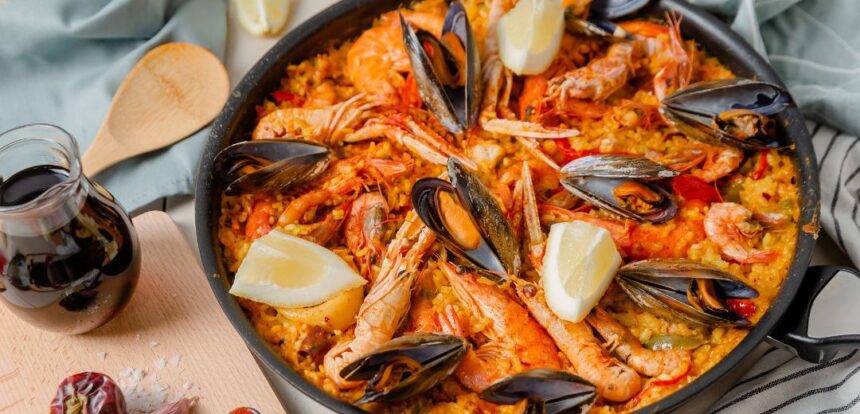

Welcome to the vibrant and flavorful world of paella! This iconic Spanish dish is more than just rice; it’s a celebration of culture, a gathering of friends and family, and a culinary experience that transports you to the sun-drenched shores of Spain. Whether you’ve seen it on a menu, tried it on vacation, or are just curious about this famous dish, you’ve come to the right place. We’re going to dive deep into everything you need to know about making, eating, and loving paella.
This guide will walk you through the history of paella, the essential ingredients, and the different types you can enjoy. We’ll even provide a step-by-step guide to making your own at home. Get ready to uncover the secrets behind this world-renowned rice dish.
Key Takeaways
- Paella is more than a recipe; it’s a cultural event. Originating in Valencia, Spain, it’s traditionally a communal dish cooked outdoors over an open fire.
- The pan is as important as the ingredients. A proper paellera is wide, shallow, and thin, which is crucial for creating the perfect rice layer and the coveted socarrat.
- True Valencian paella has specific ingredients. It typically includes chicken, rabbit, and local beans, not seafood.
- The rice is the star of the show. Spanish short-grain rice, like Bomba or Calasparra, is essential for its ability to absorb liquid without becoming mushy.
- The crispy bottom layer, or socarrat, is the best part. This caramelized crust at the bottom of the pan is a sign of a perfectly cooked paella.
The Rich History of Paella
Where did this amazing dish come from? The story of paella begins in the fields and wetlands of Valencia, a region on the eastern coast of Spain. For centuries, rice has been cultivated in this area, dating back to when the Moors introduced it in the 10th century. However, the dish we recognize as paella didn’t emerge until much later, around the mid-19th century.
Farmworkers and laborers needed a hearty, easy-to-make lunch they could cook in the open fields. They would gather around a fire, using a wide, flat pan to cook rice with whatever ingredients were readily available. This often included rabbits, snails, and beans from the countryside. This humble, communal meal was the birth of Paella Valenciana. The name “paella” itself actually refers to the pan it’s cooked in, which comes from the Old Valencian word for “pan.”
Over time, the dish evolved. As its popularity spread from the countryside to the coastal cities, seafood variations began to appear. Tourists visiting Spain fell in love with the dish, and it soon became a symbol of Spanish cuisine worldwide. Despite its global fame, for many Spaniards, the truest form of paella remains the original one from the fields of Valencia.
What’s in a Name? The Paella Pan
You can’t talk about paella without discussing the special pan it’s cooked in. The pan itself is called a paellera, though many people just call it a paella pan. This piece of cookware is essential for achieving the right results.
Characteristics of a Paellera
- Wide and Shallow: The pan’s large surface area allows the liquid to evaporate quickly and evenly. This ensures the rice cooks in a thin layer, which is key to the dish’s unique texture.
- Thin Base: A thin metal base, usually made of carbon steel or enameled steel, heats up fast and distributes heat across the entire pan. This is crucial for developing the socarrat.
- Dimpled Bottom: Many traditional pans have small dimples on the bottom. These help to trap small amounts of oil, distribute heat evenly, and add structural rigidity to the thin metal.
- Two Handles: The two looped handles make it easier to carry the large, hot pan to the table for serving.
Using a regular frying pan or a deep pot just won’t work the same way. The depth of other pans will cause the rice to steam rather than toast, preventing the formation of that delicious crispy layer. If you’re serious about making authentic paella, investing in a proper paellera is your first step.
The Star Ingredient: Paella Rice
The most critical ingredient in any paella is the rice. Not just any rice will do. To achieve the perfect texture, you need a Spanish short-grain rice that has a high capacity for absorbing liquid while remaining firm. This is why you should avoid using long-grain rice like basmati or jasmine, which will turn out soft and mushy.
The Best Rice Varieties for Paella
- Bomba Rice: Often called the “king” of paella rices, Bomba is famous for its ability to absorb three times its volume in liquid without breaking down. It’s very forgiving for beginners because it’s harder to overcook. The grains expand in width, not length, remaining distinct and firm.
- Calasparra Rice: Grown in the mountains of Murcia, this is another excellent choice. Like Bomba, it absorbs a lot of liquid and holds its structure well. It’s a high-quality option that yields fantastic results.
- Senia and Bahía: These varieties are more traditional and widely used by Valencian locals. They are creamier than Bomba and absorb flavors beautifully, but they are less forgiving and can overcook more easily if you’re not careful.
If you can’t find these specific Spanish rices, you can substitute Arborio rice (used for risotto) in a pinch. However, be aware that Arborio releases more starch, which will result in a creamier, less distinct grain texture than a traditional paella.
Sofrito and Saffron: The Flavor Foundation
The deep, complex flavor of a great paella comes from two key components: the sofrito and the saffron. These elements build the aromatic base upon which the rest of the dish is layered.
Building the Sofrito
The sofrito is a slow-cooked mixture of aromatic vegetables that forms the flavor base of many Spanish dishes. For paella, it’s typically made with finely grated tomatoes, garlic, and sometimes onions or peppers. The key is to cook it slowly in olive oil until the vegetables have broken down and caramelized into a thick, sweet, and jammy paste. This process can take 15-20 minutes, but it is time well spent. Rushing the sofrito will result in a raw, acidic tomato flavor instead of the deep, rich foundation you’re aiming for. This base is what infuses the rice with its incredible taste.
The Magic of Saffron
Saffron is the spice that gives paella its signature golden-yellow color and subtle, earthy aroma. These delicate red threads are the stigmas of the crocus flower and are one of the most expensive spices in the world by weight. Fortunately, a little goes a long way. Just a small pinch is needed for a large paella.
To get the most out of your saffron, gently toast the threads in a dry pan for a minute, then crush them with a mortar and pestle. Infuse the crushed threads in a bit of warm water or broth for about 15 minutes before adding them to the pan. This technique helps to fully release the color and flavor into your dish. Many cheaper versions of paella use yellow food coloring or turmeric, but these provide color without the unique, delicate flavor of real saffron.
The Different Types of Paella
While Paella Valenciana is the original, many delicious variations have emerged over the years. The type of paella you encounter often depends on the region of Spain you’re in. Here are some of the most popular styles.
Paella Valenciana: The Original
This is the authentic, traditional recipe from Valencia. It is considered a land-based paella, featuring ingredients from the countryside, not the sea.
- Protein: Chicken and rabbit are the standard. Sometimes snails (vaquetes) are also included.
- Vegetables: It uses two specific types of local green beans: ferraura (a wide, flat bean) and garrofó (a large, creamy white bean similar to a lima bean).
- Seasoning: Saffron and paprika are key, and rosemary is often added for aroma.
Paella de Marisco: Seafood Paella
This is the version most non-Spaniards think of when they hear the word “paella.” It’s incredibly popular in coastal areas and restaurants around the world.
- Protein: A mix of fresh seafood is the star. This can include shrimp, mussels, clams, squid, and langoustines (Norway lobsters).
- Broth: The rice is cooked in a rich, flavorful fish or shellfish broth.
- Flavor: This paella has a distinct taste of the sea, enhanced by the sweet flavors of the seafood.
Paella Mixta: Mixed Paella
As the name suggests, Paella Mixta is a mix of meat and seafood. It combines elements of both land and sea for a rich and varied dish.
- Protein: Typically includes chicken, chorizo, mussels, shrimp, and clams.
- Popularity: This version is very popular with tourists but is often looked down upon by paella purists from Valencia. They argue that the flavors of meat and seafood don’t truly complement each other and that it’s not a traditional recipe. Despite the controversy, many people love the “surf and turf” combination.
Other Notable Variations
- Arroz Negro: This striking dish gets its black color from squid ink. It’s typically made with squid or cuttlefish and has a deep, savory sea flavor. It’s often served with a side of alioli (garlic mayonnaise).
- Paella de Verduras: A vegetarian version made with a variety of fresh vegetables, such as artichokes, bell peppers, asparagus, and mushrooms.
- Fideuà: While not technically a paella because it uses pasta instead of rice, fideuà is cooked in the same pan and manner. It uses short, thin noodles that are toasted in the pan and then cooked in broth.
The Secret to a Perfect Paella: The Socarrat
Ask any paella lover what the best part of the dish is, and they’ll likely say the socarrat. Socarrat is the crispy, toasty, and slightly caramelized layer of rice that forms at the bottom of the pan. It’s not burnt—it’s perfected. Getting a good socarrat is the sign of a master paella chef.
How to Achieve Socarrat
Achieving the perfect socarrat requires careful heat management in the final moments of cooking. Once all the broth has been absorbed by the rice, turn up the heat for about 60 to 90 seconds. You need to listen carefully. You’ll hear a crackling sound as the bottom layer of rice starts to toast and caramelize. The smell will also change, becoming nutty and toasted.
It’s a fine line between a perfect socarrat and burnt rice, so stay close and use your senses. The reward is a deliciously crunchy texture and an intensely savory flavor that provides a wonderful contrast to the tender rice on top. When serving, make sure to scrape the bottom of the pan so everyone gets a bit of this prized crust.
A Simple Paella Mixta Recipe to Try at Home
Ready to try making your own paella? This beginner-friendly Paella Mixta recipe is a great place to start. It combines chicken and seafood for a crowd-pleasing dish.
|
Ingredient |
Amount |
Notes |
|---|---|---|
|
Olive Oil |
1/4 cup |
Spanish extra virgin is best |
|
Chicken Thighs |
1 lb, cut into chunks |
Boneless, skinless |
|
Chorizo Sausage |
1/2 lb, sliced |
Optional, but adds great flavor |
|
Onion |
1, finely chopped |
|
|
Bell Pepper (Red) |
1, finely chopped |
|
|
Garlic |
4 cloves, minced |
|
|
Grated Tomato |
1 cup |
Use a box grater, discard the skin |
|
Smoked Paprika |
1 tbsp |
|
|
Saffron Threads |
1 large pinch |
Infused in 2 tbsp warm water |
|
Bomba Rice |
2 cups |
Or another Spanish short-grain rice |
|
Chicken Broth |
6 cups, warm |
Or a mix of chicken and seafood broth |
|
Shrimp |
1 lb, peeled |
Large, deveined, tails on or off |
|
Mussels |
1 lb, cleaned |
Scrubbed and debearded |
|
Lemon Wedges |
For serving |
|
|
Fresh Parsley |
For garnish |
Chopped |
Step-by-Step Instructions
- Prepare the Pan: Place a 15- to 17-inch paella pan over medium-high heat. Add the olive oil.
- Sear the Meats: Once the oil is hot, add the chicken pieces and chorizo. Brown them on all sides until they are nicely colored. Push them to the outer edges of the pan.
- Make the Sofrito: Add the onion and bell pepper to the center of the pan and sauté until soft, about 5-7 minutes. Add the minced garlic and cook for another minute until fragrant.
- Add Tomato and Spices: Stir in the grated tomato and cook, stirring frequently, until it darkens and reduces to a thick paste. This is your sofrito. Stir in the smoked paprika and the infused saffron (along with its water).
- Add the Rice: Pour in the rice and stir for 1-2 minutes to coat it with the sofrito and toast it slightly.
- Add the Broth: Pour in the warm chicken broth and stir everything to distribute the ingredients evenly across the pan. Bring the liquid to a strong simmer. From this point on, do not stir the rice again! Stirring releases starch and will make your paella creamy like risotto.
- Simmer: Let the paella simmer vigorously for about 10 minutes, until the rice has absorbed most of the liquid and starts to appear at the surface.
- Add Seafood: Arrange the shrimp and mussels over the top of the rice, pressing them in slightly.
- Finish Cooking: Reduce the heat to low and continue to cook for another 8-10 minutes, or until the liquid is fully absorbed. The mussels should have opened by now (discard any that remain closed).
- Create the Socarrat: Turn the heat up to high for about 60 seconds. Listen for the crackling sound of the rice toasting at the bottom.
- Rest: Remove the pan from the heat, cover it loosely with foil or a clean kitchen towel, and let it rest for 5-10 minutes. This is a crucial step that allows the flavors to meld and the rice to finish cooking.
- Serve: Garnish with fresh parsley and serve directly from the pan with lemon wedges on the side.
How to Eat Paella Like a Spaniard
In Spain, paella is much more than a meal; it’s a social event. Traditionally, it’s eaten for lunch, especially on Sundays, and often cooked outdoors for a large group of people. The pan is placed in the center of the table, and everyone eats directly from it using their own spoon (traditionally a wooden one). This communal way of eating enhances the sense of sharing and togetherness.
Etiquette dictates that you eat only from the section of the paella directly in front of you. You work your way from the edge of the pan toward the center. It’s considered polite to respect your neighbor’s “territory.” A squeeze of fresh lemon over your section is common, but it’s best to check if others want it before squeezing it over the entire pan. As journalists exploring various cultures, even those at outlets like a leading tech site, you could see a story here about how tradition and technology intersect in modern kitchens, a topic that might even appear on a forward-thinking publication like https://siliconvalleytime.co.uk/.
Conclusion
Paella is a dish with a soul. It’s rooted in the history and landscape of Spain and continues to be a powerful symbol of its culture. From the specific pan and rice used to the communal way it’s enjoyed, every element of paella tells a story. While the traditional Paella Valenciana is a culinary masterpiece, the beauty of paella lies in its adaptability, with seafood, mixed, and vegetable versions all offering their own unique delights.
The next time you enjoy a plate of paella, remember the farmers who created it, the importance of the socarrat, and the joy of sharing a meal with others. Better yet, try making it yourself. It’s a rewarding cooking project that will bring the festive flavors of Spain right into your own home.
Frequently Asked Questions (FAQ)
Q1: What is the most important rule when making paella?
A: The most important rule is do not stir the rice after you add the liquid. Stirring activates the starches in the rice, which results in a creamy, risotto-like texture instead of the separate, firm grains that are characteristic of a proper paella.
Q2: Can I make paella without a paella pan?
A: You can try, but the results won’t be the same. The best alternative is a wide, flat-bottomed skillet, preferably made of carbon steel or cast iron. Avoid deep pots, as they will steam the rice. A proper paellera is essential for creating a thin layer of rice and achieving the socarrat.
Q3: Is chorizo authentic in paella?
A: Traditionalists, especially from Valencia, would say no. Authentic Paella Valenciana does not include chorizo. However, Paella Mixta is a popular variation that often includes it, especially in recipes outside of Spain. It adds a smoky, savory flavor that many people enjoy.
Q4: What is the difference between paella and risotto?
A: The main differences are the rice, the cooking method, and the final texture. Paella uses Spanish short-grain rice (like Bomba) and is left unstirred to create a dry, firm texture with a crispy bottom. Risotto uses Italian Arborio rice, which is stirred constantly with broth added gradually to create a creamy, porridge-like consistency.
Q5: Why is my paella mushy?
A: Mushy paella is usually caused by one of three things: using the wrong type of rice (like a long-grain variety), stirring the rice during cooking, or using an incorrect ratio of liquid to rice. Using a proper paella rice and not stirring are the best ways to prevent a mushy result.



