






Mythology stories have been around for as long as people could sit around a fire and talk. These are the tales of gods, monsters, heroes, and strange beginnings that our ancestors told to make sense of the world. And honestly, they’re still fun to read today.
Here’s the thing about these old tales: they weren’t just entertainment. They explained why the sun rose, why storms happened, and what it meant to be brave. Let’s take a closer look at why they matter and which ones stuck around.
Read more: Hair Mask: Everything You Need to Know for Softer, Healthier Hair
What Are Mythology Stories, Really?
At their core, mythology stories are traditional tales passed down through generations. They usually involve gods and goddesses, powerful heroes, or the creation of the world itself.
Most of them started as spoken stories long before anyone wrote them down. Over time, they became part of a culture’s identity, shaping beliefs, values, and even daily life.
To be honest, the line between myth, legend, and folklore can get blurry. But myths tend to focus on the sacred, the divine, and the big questions about existence.
Why People Created These Ancient Myths
Long ago, people didn’t have science to explain thunder or earthquakes. So they told stories instead.
What’s interesting is that almost every culture came up with its own answers. A god was angry, a monster was moving underground, or two divine beings were fighting. These ancient myths gave the world order when everything felt chaotic.
They also taught lessons. Many mythology stories carry warnings about greed, pride, or disobeying the gods.
Creation Myths: How the World Began
Nearly every culture has creation myths. These are the stories that explain how everything came into being.
Some describe a god shaping the earth from nothing. Others talk about the world rising out of a giant egg or a vast ocean. The details change, but the goal is the same: to answer where we came from.
Here’s a fun fact. Many creation myths include a great flood or a battle between order and chaos. It shows how similar human imagination can be across distant lands.
Greek Mythology: Gods, Heroes, and Drama
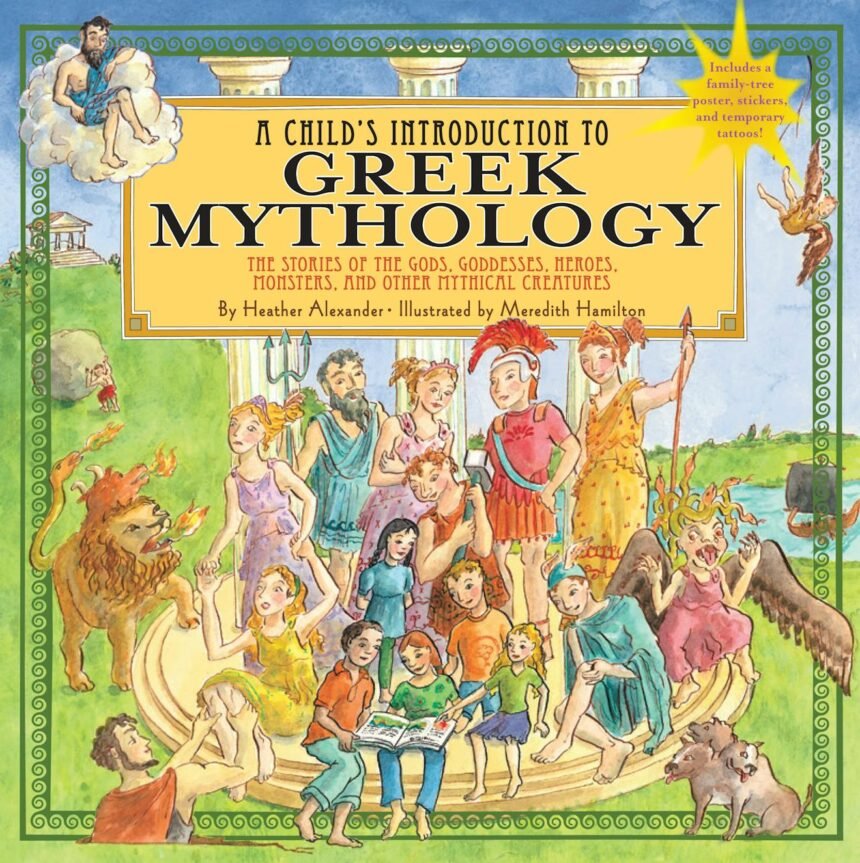
Greek mythology is probably the most famous of them all. It gave us Zeus, Athena, Poseidon, and a whole cast of gods and goddesses living on Mount Olympus.
These stories are packed with drama. Jealousy, revenge, love, and betrayal show up constantly. The Greek gods act a lot like people, just with way more power.
Famous Greek Heroes
Greek mythology also gave us some legendary heroes. Think Hercules with his twelve labors, or Perseus who defeated Medusa.
These hero myths usually follow a similar pattern. A brave figure faces impossible tasks, meets monsters, and proves their worth. It’s a formula that still shows up in movies today.
Roman Mythology: A Familiar Twist
Roman mythology borrowed heavily from the Greeks. The Romans kept the same basic gods but gave them new names.
Zeus became Jupiter. Aphrodite became Venus. Ares turned into Mars. Same characters, different labels.
What’s interesting is that Roman mythology focused a lot on duty, honor, and the founding of Rome itself. The story of Romulus and Remus, raised by a wolf, is a great example of that pride in their origins.
Norse Mythology: Gods, Giants, and the End of the World
Norse mythology comes from the Scandinavian and Germanic peoples. It’s darker and colder than the Greek tales, which kind of fits the region.
You’ve probably heard of Odin, Thor, and Loki. These gods lived in Asgard and were always dealing with giants, magic, and looming doom.
The big theme here is Ragnarök, a foretold battle that ends the world. Even the gods knew their time would come, which gives these mythology stories a heavy, dramatic feel.
Egyptian Mythology: Life, Death, and the Afterlife
Egyptian mythology was deeply tied to death and what comes after it. The Egyptians believed strongly in the afterlife, and their stories reflect that.
Gods like Ra, Osiris, Isis, and Anubis played huge roles. Osiris ruled the underworld, while Anubis guided souls and weighed their hearts.
Here’s the thing. So much of Egyptian culture, from their pyramids to their burial rituals, came directly from these beliefs. The myths weren’t just tales; they shaped an entire way of living and dying.
Common Themes Across Mythology Stories
Once you read enough myths, you start to notice patterns. Different cultures, similar ideas.
- Creation of the world from chaos
- A great flood or disaster
- Heroes on impossible quests
- Gods who behave like humans
- Battles between good and evil
These shared themes suggest that people everywhere have always asked the same big questions. That’s part of what makes mythology stories so powerful.
Myths vs. Legends vs. Folklore
People often mix these up, and that’s understandable. They overlap a lot.
Myths usually deal with gods and the sacred. Legends focus on historical figures who may or may not have existed. Folklore covers everyday tales, superstitions, and local customs.
To keep it simple: myths explain the big stuff, legends celebrate heroes, and folklore keeps traditions alive.
Why Mythology Stories Still Matter Today
You might think these old tales are outdated. But they’re everywhere.
Movies, books, video games, and even brand names pull from mythology. Ever heard of Thor from Marvel? Or Nike, named after the Greek goddess of victory? These stories never really left us.
They also help us understand history. When you read the myths of a culture, you learn what those people feared, valued, and dreamed about.
How These Tales Were Passed Down
Most mythology stories started as oral traditions. People memorized them and shared them out loud, often through song or poetry.
Later, writers and scholars wrote them down. That’s how we still have works like Homer’s epics or the Norse sagas today.
What’s interesting is that each retelling changed things a little. So the versions we read now have been shaped by hundreds of years of storytelling.
Getting Started With Mythology
If you’re new to all this, don’t feel overwhelmed. There’s a lot, but you can start small.
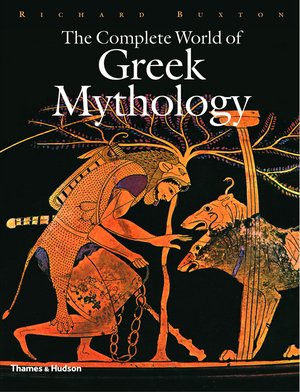
Pick one culture that interests you. Maybe Greek mythology if you love drama, or Norse mythology if you enjoy darker tales. Read a few key stories, then branch out.
You’ll quickly notice connections between different traditions. That’s when it gets really fun.
Frequently Asked Questions
What are the most famous mythology stories?
Some of the best known include the labors of Hercules, the tale of Osiris in Egyptian mythology, and the story of Ragnarök from Norse mythology. Greek and Roman mythology tend to be the most widely read.
Are mythology stories based on real events?
Sometimes, partly. A few myths may be loosely tied to real people or natural events. But most were created to explain the world or teach lessons, not to record history.
What’s the difference between a myth and a legend?
Myths usually involve gods, goddesses, and sacred beginnings. Legends focus on heroes or historical figures whose real details often got exaggerated over time.
Which culture has the oldest mythology stories?
That’s tricky to pin down for certain. Some of the oldest recorded myths come from ancient Mesopotamia, though many cultures had their own tales long before writing existed.
Why should I read mythology stories today?
They’re entertaining, and they help you understand human history and culture. Plus, so much modern media borrows from these ancient myths that you’ll start spotting references everywhere.
Final Thoughts
Mythology stories are a window into how people once saw the world. From Greek gods to Norse giants and Egyptian afterlife beliefs, these tales still shape how we tell stories today.
If you want to explore more about myths and their role in human culture, the Wikipedia page on Myth is a solid place to keep reading. Once you start, you’ll find it hard to stop.



