



Managing how a product or service reaches customers is just as important as creating a great product. A business may have excellent products, competitive prices, and strong branding, but poor distribution can still limit its growth.
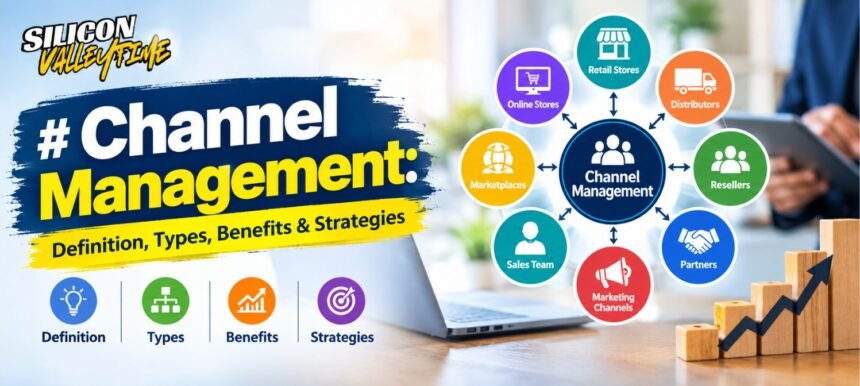
This is where channel management becomes important. It helps businesses organize, monitor, and improve the different channels used to reach customers. These channels may include retailers, wholesalers, distributors, online marketplaces, direct sales teams, websites, and other partners.
Whether you run a small business or manage a large sales network, understanding channel management can help improve customer reach, sales performance, and long-term relationships.
What Is Channel Management?
Channel management is the process of planning, managing, and optimizing the sales and distribution channels a business uses to deliver products or services to customers. It involves selecting the right channels, supporting channel partners, tracking performance, managing conflicts, and improving overall sales results.
For example, a clothing company might sell through its own website, physical stores, online marketplaces, and independent retailers. Channel management helps the company coordinate these channels so they work efficiently rather than competing against each other.
Channel management is closely connected with distribution management, sales management, partner management, and marketing strategy.
Common Channel Examples
Businesses may use several types of channels, including:
- Company-owned websites
- Physical retail stores
- Wholesalers
- Distributors
- Dealers
- Independent retailers
- Sales representatives
- Online marketplaces
- Affiliate partners
- Resellers
- Social commerce platforms
You can also explore the broader concept of marketing to understand how distribution fits into overall marketing strategy.
Why Is Channel Management Important?
A good channel strategy can help a company reach customers more efficiently while reducing unnecessary costs and conflicts.
Imagine a technology company that sells its products through 50 retailers. If some retailers receive stock late, others offer inconsistent prices, and sales representatives lack product information, customers may become frustrated.
Effective channel management helps prevent these problems.
Major reasons it matters include:
- Wider customer reach
Using multiple channels allows businesses to reach different customer groups and geographic markets.
- Better sales performance
Companies can identify which channels generate the most revenue and focus resources accordingly.
- Stronger partner relationships
Clear communication, incentives, training, and support can improve relationships with distributors and retailers.
- Better customer experience
Consistent pricing, product information, availability, and service create a smoother buying experience.
- Lower distribution costs
Businesses can identify inefficient processes and reduce unnecessary operational expenses.
- Improved market control
A structured channel strategy gives businesses better visibility into pricing, inventory, promotions, and customer demand.
Key Features and Benefits of Channel Management
Channel management covers several activities. Each one contributes to the overall performance of a sales and distribution network.
Channel Selection
The first step is deciding which channels fit the business model.
A premium furniture company, for example, may prefer direct sales and selected retailers rather than selling through every available marketplace.
Partner Management
Businesses often depend on distributors, dealers, agents, or resellers. Managing these relationships involves:
- Setting clear expectations
- Providing product training
- Sharing marketing materials
- Reviewing performance
- Offering incentives
- Maintaining regular communication
Performance Tracking
Businesses need measurable data to understand channel performance.
Common metrics include:
- Sales revenue
- Conversion rate
- Profit margin
- Customer acquisition cost
- Inventory turnover
- Order volume
- Return rate
- Partner performance
Channel Conflict Management
Channel conflict happens when different sales channels compete with each other.
For example, a retailer may become unhappy if a manufacturer sells the same product directly online at a much lower price.
A good channel management strategy establishes clear pricing, territory, product, and promotional rules.
Inventory Coordination
Product availability can directly affect sales. Channel managers often work with partners to maintain suitable inventory levels and avoid both stockouts and excess inventory.
Types of Channel Management
Channel management can take different forms depending on how a business sells its products or services.
1. Direct Channel Management
In a direct channel, the company sells directly to customers.
Examples include:
- Company website
- Physical company store
- Internal sales team
- Direct sales representatives
This approach gives businesses greater control over pricing, branding, and customer relationships.
2. Indirect Channel Management
An indirect channel uses intermediaries such as wholesalers, distributors, retailers, or agents.
This can help companies enter new markets without building their own complete distribution network.
3. Omnichannel Management
An omnichannel approach connects multiple customer touchpoints into a more consistent experience.
For example, a customer might discover a product on social media, research it on a website, and purchase it from a physical store.
The goal is to make these interactions work together rather than operate as isolated channels.
4. Partner or Reseller Channel Management
Some companies rely heavily on external partners to sell their products.
Software companies, technology firms, and manufacturers often use reseller networks. Their channel management strategy may include partner training, certification, incentives, and sales support.
How to Build an Effective Channel Management Strategy
Creating a channel strategy does not have to be complicated. A business can start with a clear step-by-step process.
Step 1: Understand Your Target Customer
Start by identifying where your customers prefer to research and buy products.
Consider:
- Customer age and location
- Buying habits
- Preferred shopping platforms
- Price sensitivity
- Online versus offline behavior
- Customer service expectations
Step 2: Identify Suitable Channels
Choose channels that match your customers and business model.
Do not select a channel simply because competitors use it. Consider its cost, reach, control, and potential return.
Step 3: Set Clear Channel Goals
Each channel should have measurable objectives.
For example:
- Increase online sales by 15%
- Expand into three new regions
- Improve partner retention
- Reduce delivery delays
- Increase retailer revenue
Clear goals make channel performance easier to evaluate.
Step 4: Select and Train Partners
If your strategy depends on distributors or resellers, choose partners carefully.
Provide them with:
- Product information
- Sales training
- Marketing resources
- Pricing guidelines
- Customer service policies
- Technical support
Well-trained partners can represent your brand more effectively.
Step 5: Create Incentive Programs
Partners need a reason to prioritize your products.
Businesses may use incentives such as:
- Volume-based discounts
- Sales bonuses
- Performance rewards
- Co-marketing support
- Exclusive products
- Partner certification
The incentive structure should support profitable, sustainable sales rather than short-term volume alone.
Step 6: Track Channel Performance
Review channel data regularly.
Compare revenue, costs, margins, customer satisfaction, inventory, and partner performance.
A channel that produces high sales but very low profit may need a different strategy.
Step 7: Improve Continuously
Customer behavior and technology change over time. A channel that performs well today may become less effective later.
Regular reviews allow businesses to adjust their channel mix and respond to changing market conditions.
Common Channel Management Challenges
Even a well-planned strategy can face problems.
Channel Conflict
Partners may disagree over pricing, territories, customers, or promotions.
Poor Communication
Limited communication can lead to incorrect product information, delayed orders, or missed opportunities.
Inconsistent Customer Experience
Customers may receive different prices, service levels, or product information across channels.
Lack of Data
Without reliable performance data, it becomes difficult to identify successful and unsuccessful channels.
Partner Performance Issues
Some partners may not meet sales targets or follow brand standards.
The solution is usually a combination of clear agreements, regular reviews, training, communication, and measurable expectations.
FAQs About Channel Management
What is channel management in simple terms?
Channel management means managing the different ways a business sells and distributes its products or services. It includes selecting channels, supporting partners, tracking sales, solving conflicts, and improving channel performance.
What are the main types of channel management?
The main types include direct channel management, indirect channel management, omnichannel management, and partner or reseller channel management. Businesses may use one type or combine several depending on their products and customers.
What is an example of channel management?
A smartphone manufacturer selling through its website, telecom companies, electronics retailers, and online marketplaces is using multiple sales channels. Managing pricing, inventory, promotions, and partner relationships across those channels is channel management.
What is the difference between channel management and distribution management?
Channel management focuses on managing the routes and partners used to reach customers. Distribution management is more focused on the physical and operational movement of products, including inventory, warehousing, transportation, and delivery.
Why do companies use channel partners?
Companies use channel partners to expand market reach, access new customers, reduce distribution requirements, and benefit from partners’ local knowledge, sales networks, or industry expertise.
How can a company improve channel performance?
A company can improve channel performance by setting measurable goals, choosing suitable partners, providing training, using incentives, monitoring key performance indicators, preventing channel conflicts, and regularly reviewing channel results.
What is omnichannel channel management?
Omnichannel management coordinates multiple sales and customer-service channels so customers receive a more consistent experience across websites, stores, marketplaces, social platforms, and other touchpoints.
Conclusion
Channel management is an essential part of modern sales and distribution strategy. It helps businesses decide where and how to sell, manage relationships with channel partners, monitor performance, and create a consistent customer experience.
The most effective approach starts with understanding customers and selecting channels that fit their buying behavior. From there, businesses can set clear goals, train partners, track performance, manage conflicts, and continuously improve their channel strategy.
Whether a company sells directly to consumers or works with a large network of distributors and retailers, effective channel management can create a more organized, measurable, and scalable route to market