




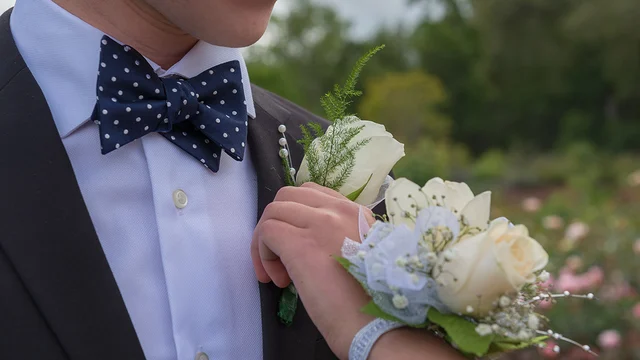

A corsage is one of those small details that can make a formal event feel extra special. It’s a little bouquet of flowers worn on the wrist or pinned to a dress, and it carries a surprising amount of meaning. Whether it’s prom, a wedding, or a milestone celebration, this tiny floral arrangement has stuck around for generations.
Here’s the thing though. A lot of people love wearing one but don’t actually know much about it. So let’s fix that.
Read more: How Long Is the Nile River? Everything You Need to Know
What Is a Corsage, Exactly?
At its simplest, a corsage is a small cluster of flowers worn by someone during a formal occasion. It’s usually given as a gift, and it sits either on the wrist or gets pinned near the shoulder.
To be honest, it’s less about the flowers themselves and more about the gesture. Handing someone a corsage says, “You matter, and today is important.”
A Quick Look at the History
The tradition goes way back, and it’s older than most people expect. In ancient times, people wore flowers and herbs to ward off evil spirits and bad luck. Some believed the scent could keep illness away too.
Over time, that practical habit turned into something romantic. By the 20th century, giving flowers before a dance or dinner had become a sweet custom, especially in Western cultures.
Why the Name “Corsage”?
The word actually comes from French. It originally referred to the bodice of a dress, the part where flowers were often pinned.
What’s interesting is that the meaning shifted over the years. Now it points to the flowers themselves rather than the piece of clothing.
Types of Corsages You’ll Come Across
Not every corsage looks the same. The style depends on the event, the outfit, and personal taste.
Wrist Corsage
The wrist corsage is probably the most popular version today. It sits on an elastic band or bracelet, so it’s easy to wear and doesn’t damage any fabric.
It’s the go-to choice for prom flowers because it’s comfortable and stays put all night.
Pin-On Corsage
A pin-on corsage attaches directly to clothing, usually near the shoulder or chest. It’s the more traditional style and often shows up at weddings.
The only downside? You need a steady hand to pin it without poking anyone.
Nosegay-Style Corsage
This one is a slightly bigger, rounder cluster of blooms. It’s less common but looks gorgeous for formal daytime events.
When Do People Wear a Corsage?
You’ll spot corsages at all kinds of gatherings. Some events almost expect them, while others just use them for a bit of extra charm.
Common occasions include:
- Prom and homecoming
- Weddings and anniversaries
- Graduations
- Mother’s Day celebrations
- Formal dinners and galas
Basically, if it’s a formal occasion and flowers feel right, a corsage fits.
Corsage vs. Boutonniere: What’s the Difference?
People mix these two up all the time. A corsage is worn by women, usually on the wrist or dress. A boutonniere is the smaller single-flower version worn by men on their lapel.
Think of them as a matching pair. At prom or a wedding, the couple often coordinates the two so their flowers complement each other.
How to Choose the Right Corsage
Picking one isn’t complicated, but a little thought goes a long way. You want it to match the outfit and feel comfortable to wear.
Match the Color
The safest move is to match the corsage to the dress. If the dress is bold, go with softer, neutral blooms. If the dress is simple, a colorful corsage can pop nicely.
Consider the Size
Bigger isn’t always better. A huge floral arrangement can feel heavy and get in the way. For most people, a medium-sized corsage looks balanced and elegant.
Think About the Wearer
Some folks have allergies or sensitive skin. A wrist corsage tends to be the friendlier option in those cases since it doesn’t touch the face.
Popular Flower Choices for a Corsage
The flowers you pick set the whole mood. Some blooms hold up better than others, which matters when you’re wearing them for hours.
Roses
Roses are a classic for a reason. They’re sturdy, come in every color, and symbolize love and admiration.
Orchids
Orchids look elegant and last a long time out of water. They’re a favorite for prom flowers and upscale events.
Carnations
Carnations are affordable, tough, and available in tons of shades. If you want something budget-friendly that still looks great, these work well.
Baby’s Breath and Greenery
These small accents fill out the arrangement and add texture. They pair beautifully with almost any main bloom.
Corsage Etiquette You Should Know
There are a few unwritten rules worth keeping in mind. They’re not strict laws, but they help everything go smoothly.
Traditionally, the person’s date or a close family member gives the corsage. At prom, the guy often presents it, though these days anyone can give one to anyone.
It’s also polite to ask beforehand whether the person prefers a wrist or pin-on corsage. That way it matches their outfit and comfort level.
Wrist Corsage vs. Pin-On: Which One Wins?
Honestly, it comes down to personal preference. But here’s a quick breakdown.
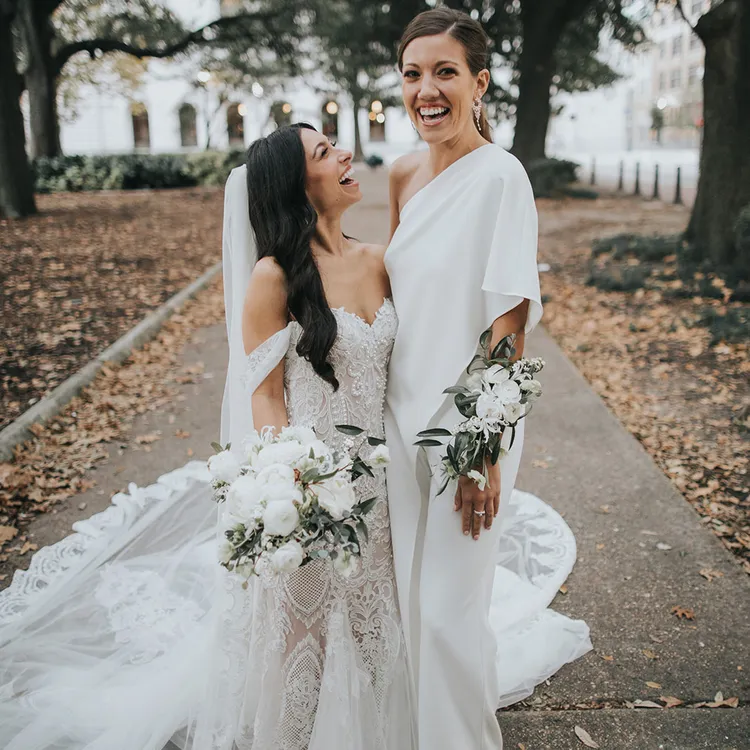
A wrist corsage is easy, safe for delicate fabrics, and stays visible all night. A pin-on corsage feels more traditional and elegant, but it needs careful pinning and works best on sturdier fabric.
If you’re unsure, go with the wrist version. It’s the low-stress choice.
How to Care for Your Corsage
A corsage is fresh flowers, so it needs a little love to stay pretty. With the right care, it can look great from morning until the last dance.
Keep It Cool
Store your corsage in the fridge until you’re ready to wear it. Put it in a sealed container or plastic bag so it doesn’t dry out.
Mist It Lightly
A gentle spritz of water keeps the blooms looking fresh. Just don’t soak it.
Handle With Care
Try not to crush the petals when you take it in and out of storage. Fresh flowers bruise easily.
Can You Keep a Corsage After the Event?
Yes, and lots of people do. Drying it is a lovely way to hold onto the memory.
Just hang it upside down in a dry spot for a couple of weeks. Once it’s fully dried, you can frame it or tuck it into a keepsake box.
Corsages in Weddings
Wedding flowers often include corsages for mothers, grandmothers, and special guests. It’s a warm way to honor the important people in the couple’s lives.
The style usually matches the bridal bouquet, tying the whole floral theme together. It’s a small touch, but it means a lot to the people wearing them.
Frequently Asked Questions
1. What is the purpose of a corsage?
A corsage is a small floral arrangement worn to mark a formal occasion. It’s a gesture of respect, love, or celebration, often given to a date, mother, or honored guest.
2. Which hand should a wrist corsage go on?
Traditionally, a wrist corsage goes on the left hand. That said, it’s fine to wear it on whichever hand feels more comfortable.
3. How much does a corsage usually cost?
Prices vary based on the flowers and design. A simple one might cost around $15 to $25, while fancier arrangements can run higher.
4. What’s the difference between a corsage and a boutonniere?
A corsage is worn on the wrist or dress, usually by women. A boutonniere is a single flower worn on the lapel, usually by men. They’re often coordinated to match.
5. How far in advance should I order a corsage?
Order it at least a week before your event. This gives the florist time to prepare and gives you room to make changes if needed.
Final Thoughts
A corsage might be small, but it carries real charm and meaning. From prom flowers to wedding celebrations, it adds a personal touch that people remember for years.
If you’d like to explore more of its history and cultural background, you can check out this detailed overview on Wikipedia’s page about the corsage. It’s a great starting point if you want to learn even more about this timeless floral tradition.